Protect your passengers and stay informed on the road with radios designed to deliver weather alerts, AM/FM radio, and durable builds. This guide highlights five top options that balance weather-band capabilities with vehicle-ready features, ensuring you get timely alerts without sacrificing audio quality.
Summary of chosen products
| Product | Brand | Key Weather Feature | Type | URL |
|---|---|---|---|---|
| MB Quart MDR2.0 160 Watt Single DIN Marine Grade Digital Source Receiver | MB Quart | IPX5 marine protection; Weather Band | Digital receiver with Bluetooth & USB | Link |
| Uniden BC365CRS 500 Channel Scanner & Weather Alerts | Uniden | Weather alerts and multiple bands | Desktop scanner with FM radio | Link |
| President McKinley AM/SSB CB Radio | President | NOAA Weather Alerts | CB radio with NOAA | Link |
| Midland WR120B NOAA Emergency Weather Alert Radio | Midland | Localized weather alerts | Emergency weather alert radio | Link |
| Midland 75-822 Handheld & Mobile CB Radio | Midland | NOAA Weather Alerts | 40-channel CB with weather | Link |
Note: The table above shows five highly relevant options that combine weather alert capabilities with radio reception suitable for vehicles. Each product section below expands on features, usage, and what to consider when choosing.
MB Quart MDR2.0: Marine Grade Weather Band Receiver

The MB Quart MDR2.0 is a single-DIN digital source receiver that blends AM/FM radio with weather-band reception and Bluetooth streaming. Marine-grade protection meets or exceeds IPX5, making it resilient against water splashes, dust, and outdoor exposure. LIFE SHIELD design emphasizes durability against the elements. The unit includes Apple control compatibility for quick access to iTunes and playlists through iPhone, iPod, or iPad, while USB connectivity expands media options. This radio is designed for marine environments or rugged cars where weather alerts and reliable audio are priorities.
Best use: boats, lakeside cabins, or vehicles that encounter wet or dusty conditions. Compatibility with iOS devices allows easy access to personal libraries, while waterproofing provides peace of mind during rain or spray. Consider this model if you need integrated weather band alongside modern digital features.
Uniden BC365CRS: Weather-Ready Desktop Scanner
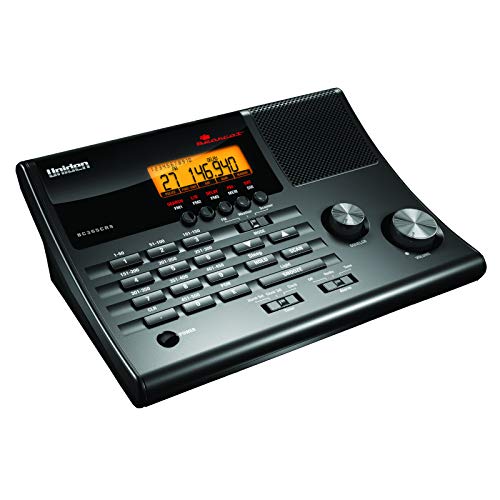
The Uniden BC365CRS pairs a 500-channel analog scanner with an FM radio and built-in weather alerts. This model is suited for stationary use in a home or vehicle setup where access to multiple bands is beneficial. It provides pre-sets for popular searches, plus access to weather, marine, aviation, and public safety bands. The alarm clock feature and snooze option can wake you to weather updates as needed. If you value breadth of channels and a robust weather alert system in a single desktop device, this scanner offers a comprehensive alerting experience without requiring complex external equipment.
President McKinley AM/SSB CB Radio With NOAA Alerts

The President McKinley CB Radio supports AM, USB, and LSB modes, offering 40 channels with emergency shortcuts (9 and 19) and a NOAA weather alert capability. It includes automatic SWR tuning and ASC for signal stability, plus a large LCD display for easy readability on the go. Features like VOX and an onboard loudspeaker enhance usability in noisy environments. This option is ideal for drivers who want traditional CB performance with weather alert integration in a compact 12/24V system. It presents a balanced choice for long-haul trucks, RVs, or emergency-use vehicles seeking reliable weather notifications.
Midland WR120B: NOAA Weather Alert Radio

The Midland WR120B is a dedicated NOAA weather alert radio with S.A.M.E. localized programming. It enables you to program alerts for up to 25 counties and delivers color-coded indicators for alert severity. The WR120B is designed for home or vehicle use in areas prone to severe weather, providing timely alerts, weather scans, and the ability to customize alert tones. This model excels in reliability and specificity, ensuring you receive pertinent warnings without noise from unrelated channels.
Midland CB Radio 75-822: Portable, NOAA Alerts

The Midland 75-822 handheld and mobile CB radio offers 40 channels, with NOAA weather alert functionality. Designed for versatility, it can operate as a portable device or wired for mobile use with compatible accessories. Its long-range communication and user-friendly interface suit drivers who require emergency weather updates while traveling, camping, or during power outages. The inclusion of weather alerts makes it a practical option for off-grid or rural driving scenarios where weather information is critical.
Buying Guide: Weather-Band Car Radio Considerations
- Weather alert capabilities: Look for devices offering NOAA alerts, S.A.M.E. localization, or dedicated weather bands. Prioritize models that allow you to customize alert regions to avoid unnecessary notifications.
- Signal reception: Antenna quality and band support influence reliability. For vehicles, consider magnetic mounts or built-in tuners that handle VHF/UHF, AM/FM, and, if needed, shortwave bands.
- Durability and environment: If you drive in harsh conditions, seek marine-grade protection (IP ratings), dust/dustproofing, and rugged builds. This is especially important for outdoor, off-road, and maritime use.
- Power and installation: Ensure compatibility with your vehicle’s electrical system (12V/24V), and choose units with easy installation and available mounting kits. Battery operation is helpful during outages or when the vehicle is off.
- Media features: Bluetooth, USB, and media compatibility add convenience for music playback and hands-free operation while keeping your attention on alerts.
- User interface: Large displays and clear audio are essential amid road noise. Consider models with backlit displays, simple controls, and audible alerts that are easy to hear over engine sounds.
- Portability vs. fixed installation: Portable or handheld units work for temporary setups, whereas fixed head-unit radios provide seamless, integrated use in vehicles or boats.
- Cost vs. value: Durable, purpose-built weather radios often justify higher upfront costs due to reliability and longer service life in demanding environments.
- Future-proofing: If you expect to upgrade your vehicle or expand your audio system, choose devices with standard interfaces (USB, Bluetooth, auxiliary) and software support that can adapt to new accessories.
In evaluating these options, consider your primary use case: a dockside boat needing marine-grade weather alerts, a truck or RV requiring robust NOAA warnings, or a home/garage setup that complements mobile use. Each product above emphasizes weather alerting, radio reception, and durability to serve American motorists seeking timely weather information and dependable communication on the road.