UV light water cleaners offer a chemical-free way to keep aquariums, ponds, and small water systems clear by minimizing algae, bacteria, and odors. This article highlights five top options, comparing how they work, where to use them, and what to consider before buying. Each product is evaluated for setup ease, energy use, and suitability for different water setups.
Product Summary
- JAHEA Aquarium Clean Light 3W Mini / 13W Submersible Light
- Ayamaxon UVC Aquarium Sterilizer Light – Mini 3W
- Aquatic Eden 3W Mini UV Light
- iSpring UVF11A UV Ultraviolet Light Water Filter
- JOREVS UV Water Filter – LED UV Disinfection
The following sections provide detailed overviews, practical usage notes, and how each product can fit into your cleaning routine along with essential safety considerations.
JAHEA 3W Mini Aquarium UV Light

JAHEA’s compact 3W UV light is designed for small tanks, ponds, or sump areas. It disinfection by UV-C at 254 nm aims to scrub green water and reduce microorganisms. A test card is included to verify effectiveness, and a temperature strip helps monitor conditions. The device is intended to be simple: press a button to activate, with recommended usage of 3–4 hours per session every 2–4 days. Users should keep power plugs and controllers away from water to avoid hazards. Suitable for hobbyists seeking quick, maintenance-light operation.
Ayamaxon UVC 3W Mini Aquarium Sterilizer

Ayamaxon offers a mini 3W UV-C sterilizer designed for fish tanks and pond filters. It claims rapid disinfection by targeting DNA and RNA of microbes, helping to clear algae and odors. The unit emphasizes safety certifications and an IP68 rating for reliable underwater or damp usage. It’s positioned as a compact solution for users who want energy-efficient operation with a longer lifespan, while maintaining compatibility with common aquarium setups.
Aquatic Eden 3W UV Light For Tanks

Equipped with four timer modes (3, 6, 12, and 24 hours), the Aquatic Eden UV light is designed for use in sumps, filter boxes, and small ponds. It aims to maintain water clarity while reducing nuisance algae. Guidance suggests using 2–3 hours per session, several times weekly, for best results. A pre-filter sponge is included for direct-tank use, providing a modest level of fish protection. This option suits hobbyists who want flexible scheduling and straightforward mounting in filtration systems.
iSpring UVF11A UV Filter With Smart Flow Control
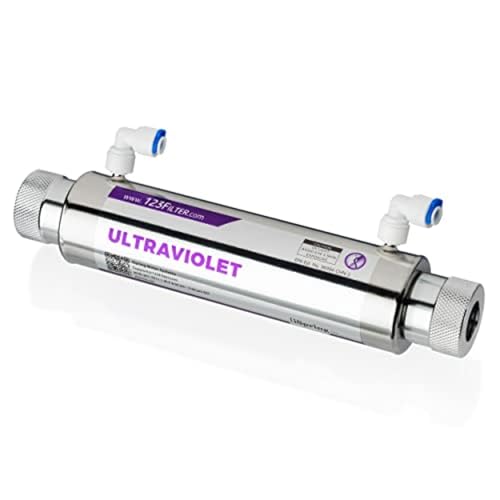
The iSpring UVF11A is a compact under-sink option with smart flow control. It automatically powers the UV lamp based on water flow, helping conserve energy and extend lamp life. The unit is designed to integrate with RO systems as a final filtration stage, and includes a 11W lamp in a stainless steel chamber with standard fittings. This model suits households seeking a reliable, low-maintenance disinfection stage within a broader water purification system.
HQUA-TWS-12 Ultraviolet Water Purifier

The HQUA-TWS-12 is a larger-scale UV purifier designed for whole-house or larger systems, delivering up to 12 GPM with a 55W lamp and a long 21-inch body. It emphasizes a compact design for easier integration into pipe systems and claims no secondary pollution, preserving the overall water chemistry. It suits homes or facilities needing robust disinfection across larger water flows without altering taste or odor.
iSpring UVF50 LED UV Water Filter

The iSpring UVF50 LED system uses LED-based UV technology to disinfect without mercury. It supports up to 13.2 GPM and features a built-in smart flow sensor for automatic operation. The LED design reduces heat and eliminates warm-up time, offering a long service life. This model is suitable for households seeking a low-maintenance, long-lasting UV solution that integrates with standard 1-inch piping and existing filtration infrastructure.
Buying Guide: Key Considerations For UV Water Cleaners
- Tank size and flow rate: Match the UV system to your tank size or water flow. Smaller tanks can use compact 3W units, while larger systems or whole-house setups require higher wattage and flow-rated units.
- Type of system: Submersible lights, inline under-sink units, and LED-based modules each have placement needs. Consider whether you want a sump or external filter integration, or a whole-house solution.
- UV-C wavelength and output: Most effective devices operate around 254 nm. Ensure the product claims UV-C efficacy and verify with any available test or certification materials.
- Power and safety: Look for IP ratings (waterproofing), safety features to prevent direct exposure to skin, and ensure electrical components are kept away from water sources.
- Maintenance and lamp life: Traditional UV lamps need periodic replacement; LED UV options offer longer life and reduced maintenance but may come with higher upfront costs.
- Noise, heat, and energy use: LED-based models typically run cooler and more efficiently. Check energy usage and operating temperatures for echo-friendly operation.
- Compatibility: If you use an RO system or a specific filtration setup, verify compatibility and whether an inline installation or add-on kit is required.
- Safety and testing: Test cards or built-in indicators can help confirm the unit is functioning correctly. Use caution when handling UV devices and follow manufacturer safety instructions.
When selecting a UV water cleaner, consider how you primarily use the water system, whether you need spot treatment in aquariums or broader disinfection for whole-house use, and your tolerance for ongoing maintenance. By balancing wattage, flow, and installation style, you can choose a unit that maintains clarity without adding complexity to your routine.