For hobbyists building ultra‑micro FPV drones, compact AIO (camera and transmitter) systems simplify setup and save weight. This guide highlights five top micro FPV cameras with integrated video transmitters, focusing on weight, ease of installation, channel control, image clarity, and compatibility with common micro quads. Each pick is evaluated on how well it performs in tight builds, indoor racing, and DIY projects.
| Product | Brand | Weight | Transmit Power | Key Strength |
|---|---|---|---|---|
| WT05 Micro AIO | Wolfwhoop | 3.4 g | 25 mW | Button channel changes; easy install |
| WT02 600TVL AIO | Wolfwhoop | Ultra micro | 200 mW | Plug and play; strong image clarity |
| WT03 Micro FPV AIO | Wolfwhoop | Ultra light | 25/50/200 mW | Micro size; versatile RX compatibility |
| C1T Super Mini | AKK | 2.8 g | 25 mW | All-in-one with dipole antenna |
| RunCam Spotter V2 | RunCam | Ultra micro | 20–200 mW | Integrated mic and OSD |
Note: The table above provides a quick snapshot. Details, including wiring, mounting, and battery compatibility, vary by build and personal preference.
Wolfwhoop WT05 Micro AIO: Lightweight FPV Set
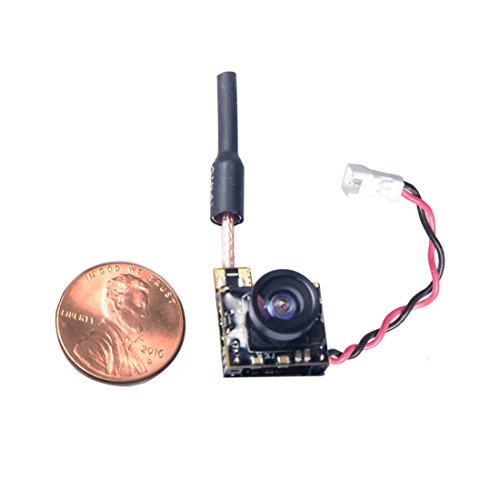
The WT05 Micro AIO pairs a 600TVL camera with a 25 mW transmitter in a package weighing about 3.4 g. It is designed for tiny racing drones and emphasizes easy installation on compact frames. A notable feature is the button-based channel selection, removing the need for external switches. This simplifies setup on micro quads and reduces potential points of failure in flight-ready builds.
Key considerations include its single-sensor, low weight design which can benefit airtime but may compromise low-light performance compared with higher-end sensors. The integrated AIO minimizes wiring complexity, though the compact form factor requires careful mounting and cable management on ultralight frames.
Wolfwhoop WT02 Ultra Micro AIO: 600TVL And 200mW VTX

The WT02 offers a 600TVL camera paired with a 200 mW transmitter and a Clover antenna for improved signal in indoor racing scenarios. It emphasizes plug-and-play capability and quick installation, making it a solid option for DIY micro builds. Image clarity remains strong across lighting conditions, which is valuable when racing in variable indoor environments.
Considerations include ensuring the frame has enough space for the Clover antenna and the transmitter’s heat management in longer sessions. The integration supports easy channel changes via a button and aims for reliable performance without separate components.
Wolfwhoop WT03 Micro FPV AIO: Flexible 5.8G Transmitter
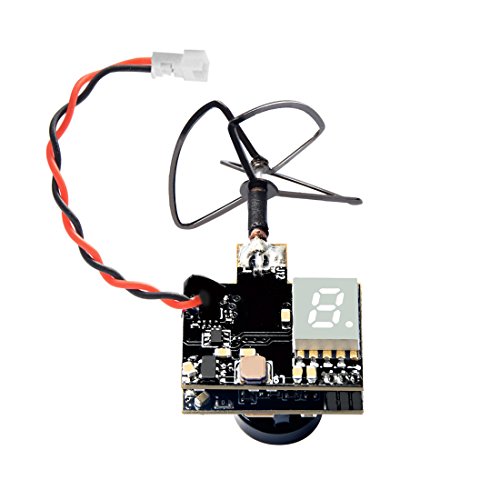
The WT03 AIO focuses on a micro footprint with a 5.8 GHz transmitter supporting multiple power levels (25/50/200 mW) and a Cloverleaf antenna for compatibility with compact builds. It’s described as plug-and-play and suitable for DIY enthusiasts, making it a convenient choice for ultra‑micro quadcopters that require a reliable, lightweight camera and VTX combo.
Users should assess the build’s power budget and antenna mounting to avoid performance issues. The device is designed for versatility across various micro airframes and RX options, enhancing broad compatibility for small FPV projects.
AKK BA3: 5.8G 40CH AIO FPV System

The BA3 is another consolidated micro AIO option, combining a 600TVL camera with a 40‑channel VTX and a brass dipole antenna in a compact 4.7 g package. It provides adjustable transmitter power (25/50/200 mW) to tailor range and interference management for tiny racing quads. Designed to work with 1S LiPo systems, it offers straightforward installation for ultra‑micro builds.
Considerations include the need for precise channel selection and potential limits on range compared with higher‑powered options. Its all-in-one format helps reduce wiring complexity in small frames and is well-suited for pilots seeking a lightweight, integrated solution.
Buying Guide: Key Considerations For Ultra Micro FPV AIO Systems
- Weight: In ultra micro builds, every gram matters. Look for AIO units around 2–4 g to preserve flight characteristics and maneuverability.
- Power Options: Most micro AIO units support 1S LiPo batteries. Confirm compatibility with your battery setup and the desired flight time.
- Transmit Power and Range: Choose a transmitter power that matches your racing environment. Indoor setups often perform well at 25–200 mW; outdoor or larger venues may benefit from higher power where allowed.
- Antenna Type: Cloverleaf and brass dipole antennas offer different signal patterns. Ensure your frame has clearance for mounting and that the antenna won’t interfere with other gear.
- Channel Selection: Some units use physical switches, others use button-driven channel changes. Button-based controls simplify tilting in tight builds but verify reliability in turbulence.
- Camera Resolution and Sensor: A 600TVL camera provides decent clarity for micro drones, but lighting conditions matter. Consider if you need better performance in low light or high contrast scenes.
- Compatibility: Check RX compatibility with your goggles or monitor. Some AIOs emphasize broader RX compatibility for flexibility in future upgrades.
- Installation Ease: Plug-and-play designs reduce build time, but pay attention to cable routing, vibration isolation, and secure mounting to protect against crashes.
- Durability: Micro AIO systems can be prone to stress from hard landings. Look for robust housings and solid solder joints in the product design.
- Future Upgrades: If you anticipate evolving your micro builds, consider AIOs that allow easy firmware updates or modular antenna options.