ATSC 3.0 tuners bring more channels, better picture quality, faster guide data, and enhanced reception to your home. This guide explores five top options that fit American households aiming to upgrade antenna TV with ATSC 3.0 support, DVR capabilities, and broad device compatibility. Each product section includes a quick overview, key features, and practical use cases to help you compare at a glance.
| Product | Brand | Key Feature |
|---|---|---|
| ADTH NextGen TV USB | ADTH | ATSC 3.0 DRM compatible |
| HDHomeRun Flex 4K | SiliconDust | Multi-room live TV, USB DVR ready |
| ATSC 3.0/1.0 OTA Signal Meter | GTMEDIA | OTC/3.0 channel support, EPG |
| ZapperBox M2 | ZapperBox | DVR + 4K HDR, gateway with channel guide |
| HW250STB Mediasonic | Mediasonic | Clear QAM, 1080p HDMI, USB media |
ADTH NextGen TV USB: Convenience for ATSC 3.0

The ADTH NextGen TV USB device is designed for Android TV and Fire TV setups, bringing ATSC 3.0 capabilities to compatible streaming hardware. Key feature: ATSC 3.0 DRM compatibility ensures secure access to premium content when linked with supported apps. Ideal for users seeking a compact, USB-based tuner that plays nicely with smart TVs and set-top boxes without extra hardware.
In practical terms, this device suits households looking to add modern broadcast standards to existing streaming ecosystems. Its USB form factor makes it a candidate for quick deployment behind a media center or a home theater PC. The device supports modern content protection to help courts and broadcasters deliver more advanced programming with confidence.
HDHomeRun Flex 4K: Whole-Home Live TV

SiliconDust’s HDHomeRun Flex 4K is a multi-tuner network tuner designed for people who want to watch live TV on several devices simultaneously. It supports NextGen TV (ATSC 3.0) and remains compatible with ATSC 1.0 content. A key selling point is the ability to connect a USB hard drive to enable a full, home-wide DVR experience, though some features require compatible guides or subscriptions.
The Flex 4K shines in households with multiple viewing zones. Connect it to a network and enjoy live TV on smartphones, tablets, streaming boxes, and PCs. It’s particularly appealing to those who value a centralized tuning solution that plays well with a range of popular platforms like Android, Fire TV, Apple TV, Roku, and more.
ZJBOX ATSC 3.0/1.0 Digital Converter Box
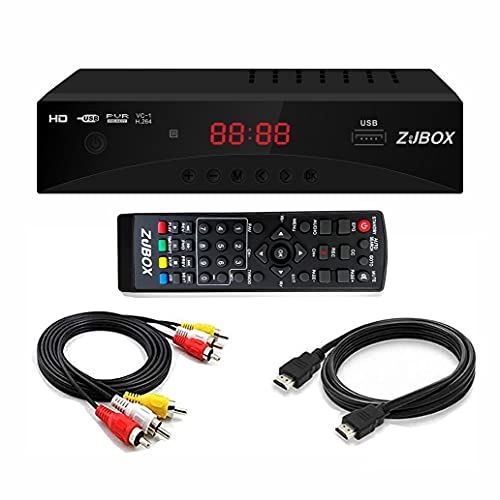
The ZJBOX ATSC 3.0/1.0 converter box provides over-the-air digital reception with recording and playback capabilities, plus HDMI output. It supports both analog and digital TV inputs and offers an on-device recording path via USB storage. It’s a practical pick for users who want a straightforward, standalone tuner that also handles some media playback tasks directly from USB storage.
Mediasonic HW250STB ATSC 3.0/1.0 Converter Box

The Mediasonic HW250STB combines TV tuner functions with USB multimedia support in a metal-cased device. It features 1080p HDMI output, a large remote control, and front display. The unit supports clear QAM and can handle USB-connected storage for recording or playback. It’s a strong option for users who want a robust, all-in-one tuner with media playback and simple channel management.
ZapperBox M2 ATSC 3.0 Gateway with DVR

The ZapperBox M2 provides a gateway experience with DVR capabilities and 4K HDR support. It combines ATSC 1.0 and ATSC 3.0 signals with a grid-style guide and software updates. Networking options include Ethernet and Wi‑Fi, plus expandability through USB and microSD. This device targets households seeking a comprehensive, gateway-style tuner with built-in DVR and media features for a centralized viewing experience.
Buying Guide: Key Considerations For ATSC 3.0 Tuners
- ATSC 3.0 vs ATSC 1.0 compatibility: Confirm whether the tuner supports both standards or is limited to ATSC 3.0. Many homes still rely on ATSC 1.0 for older broadcasts.
- DRM and content protection: If you plan to access premium channels or streaming-integrated broadcasts, DRM support might be essential for secure access.
- DVR capabilities and storage: Decide between USB-based DVR, on-device hard drive, or cloud-based guides. Consider how many tuners you need for multi-room viewing.
- Connectivity and ecosystem: Check compatibility with your existing devices—Android TV, Fire TV, Apple TV, Roku, or PCs. Network tuners require a stable home network.
- Video quality and outputs: Ensure HDMI versions and resolutions meet your display requirements. 1080p is common, while some devices support 4K HDR.
- Channel Guide and EPG: A robust electronic program guide with a 7-day window helps scheduling and recording accuracy across devices.
- Ease of setup: Some devices offer plug-and-play operation while others require network configuration or software updates.
- Future-proofing: ATSC 3.0 is evolving; consider devices with ongoing firmware support for new features and channel lineups.
- Local and cloud storage options: For those without large USB drives, consider devices that support networked storage or cloud-based DVR.
When selecting an ATSC 3.0 tuner, match your household usage to the device’s strengths. If multi-room viewing is a priority, a network tuner with a strong DVR pathway and broad device compatibility offers the most value. For simplicity, standalone boxes with HDMI output and local storage can be ideal in small setups. Always verify current software support and ensure your antenna installation aligns with the tuner’s capabilities to maximize reception quality.