Finding a reliable Tire Pressure Monitoring System (TPMS) that works seamlessly with Android head units can improve safety, tire life, and fuel efficiency. This guide reviews five top options designed to integrate with Android navigation displays, offering real-time pressure and temperature readouts, alarms, and easy installation. Each product below includes key features, compatibility notes, and practical considerations to help you choose the best TPMS for trucks, RVs, campers, and everyday vehicles.
| Product | Brand | Key Benefit | Compatibility Note |
|---|---|---|---|
| Avutrel TPMS With 4 External Sensors | Avutrel | Real-time monitoring; multiple alarm modes | Best with factory infotainment integration |
| DUDUAUTO USB TPMS (Android Screen) | MekedeTech | USB-powered; desktop-style display on Android screen | Works with Android touch navigation |
| Dasaita USB TPMS (External Sensors) | dasaita | Real-time alerts; plug-and-play via USB | Designed for Android head units |
| Estink Tire Pressure Monitor System Kit | Estink | Voice reminders; adjustable alarms | Android car navigation display compatible |
| XTRONS USB TPMS | XTRONS | Comprehensive alerts; tire health support | Android head units supported |
Avutrel Tire Pressure Monitoring System With 4 External Sensors

Avutrel’s Android-compatible TPMS provides real-time tire pressure and temperature data to the vehicle’s infotainment screen. It includes four external sensors and supports multiple alarm modes, such as Low Pressure, High Pressure, High Temperature, and Rapid Air Leakage. The system offers independent chip control for immediate abnormal-pressure alerts and keeps data within reach on the Android car screen. Note that compatibility is strongest with factory-installed infotainment systems that share the original navigation display, and users should verify compatibility with their specific head unit before purchasing.
Shkalacar TPMS With 4 External Sensors for RV and Travel Trailers
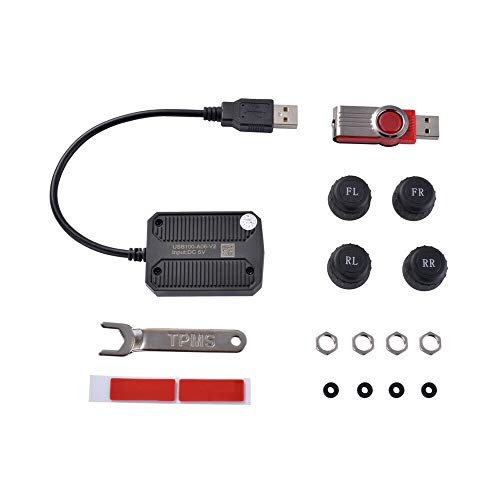
Shkalacar offers a reliable TPMS with four external sensors, designed for Android Auto displays. It provides wireless transmission to the Android navigation screen and can show voltage and temperature data. Alarm sounds are delivered through the vehicle’s loudspeakers and on-screen notifications when a deviation occurs. This system emphasizes visibility and audible alerts for safer driving, especially for RVs, campers, and trailers where monitoring tire conditions matters during long trips.
MekedeTech DUDUAUTO USB TPMS For Android Touch Screen

The DUDUAUTO USB TPMS from MekedeTech delivers real-time tire pressure and temperature readings directly on the Android navigation display. It uses an Infineon-based sensor system for high precision (±0.1 BAR) and plugs into the vehicle’s USB port for power—eliminating messy wiring. The solution is ideal for vehicles with Android head units that benefit from a clean, integrated readout without extra displays, offering straightforward setup and reliable monitoring during drives.
Estink Tire Pressure Monitor System Kit for Android Car Navigation

Estink’s kit emphasizes voice reminders and flexible alarm settings, supporting Low and High Pressure as well as high temperature alerts. It includes match mode and exchange mode for sensor pairing and replacement, and the alarm values are adjustable with multiple pressure units (Bar, Psi, Kpa, Kg). The system is compatible with Android car navigation displays, making it a practical choice for users who want audible alerts and customizable thresholds for varied driving needs.
ATOTO AC-UTP1 USB TPMS for ATOTO Android Car Stereos

ATOTO’s USB TPMS is specified for ATOTO A5, A6, S8, X10, and P9 Android car stereo models with external sensors. It displays tire information, including temperature and pressure, on the ATOTO HD screen and can prompt alerts on top of any app. Users can set maximum and minimum tire pressure values and temperature thresholds to ensure timely warnings, making this an attractive option for owners of ATOTO systems seeking integrated TPMS alerts.
DASaita USB TPMS With 4 External Sensors for Android Head Units
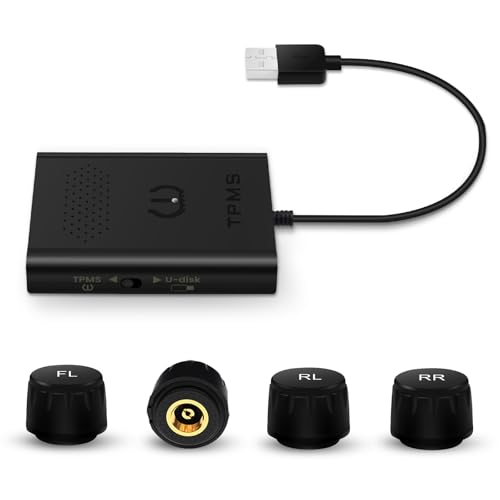
Dasaita offers a USB-powered external TPMS with four sensors designed for Android navigation systems. It provides real-time alerts for low/high pressure, high temperature, rapid leakage, and no signal. The kit emphasizes plug-and-play simplicity and compatibility with Android head units, delivering a tidy, wired-free installation with an always-visible tire status on the car’s display. Proper battery management is noted, as sensors use CR1632 batteries and may require periodic replacement to maintain reliability.
XTRONS USB TPMS For XTRONS Android Head Units
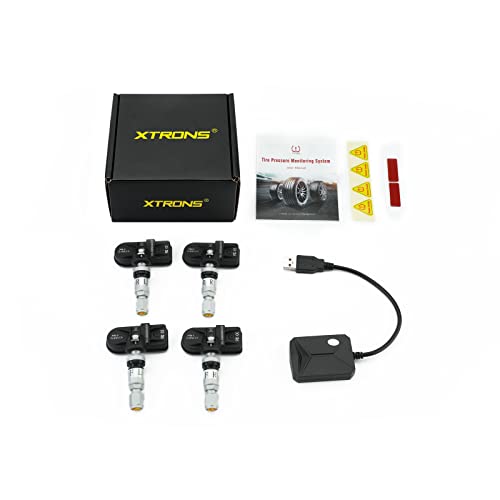
XTRONS TPMS focuses on tire pressure monitoring with comprehensive alert options, including high/low pressure, temperature, and leak warnings. It’s designed to work with XTRONS Android head units and broader Android navigation systems, supporting proactive maintenance and safer driving by preventing unexpected tire failures and extending tire life through timely alerts and health monitoring.
Buying Guide: Key Purchase Considerations
When selecting a TPMS for an Android head unit, consider compatibility, sensor type, and display integration. USB-powered systems offer clean installation and power via the head unit, while external sensor kits can deliver broader coverage for trucks, RVs, and trailers. Look for:
- Compatibility: Verify whether the TPMS works with your head unit’s make and model, including factory infotainment systems and custom Android displays.
- Sensor Type: External sensors typically provide robust coverage for larger vehicles; internal sensors may be easier to install but offer different data visibility.
- Display Integration: A TPMS that streams data directly to the Android navigation screen or car stereo helps reduce distractions and maintain a centralized dashboard.
- Alerts and Alarms: Ensure the system supports customizable high/low pressure thresholds, temperature alarms, and rapid leakage notifications.
- Power and Wiring: USB-powered units minimize wiring complexity; wireless sensors simplify installation but may require battery maintenance.
- Maintenance: Consider battery life for external sensors and ease of sensor replacement or pairing if you use replacement parts.
- Voice and Visual Notifications: Systems offering audible reminders alongside on-screen alerts can improve response times on the road.
In choosing, balance the number of sensors, vehicle type (car, SUV, truck, RV, camper), and the head-unit ecosystem. For Android-centric setups, prioritize units that mirror data on the navigation or infotainment screen and provide reliable alarms without requiring frequent recalibration.