Choosing the right 6-volt battery for solar-powered systems—like animal feeders, small off-grid circuits, or garden accessories—requires understanding capacity, chemistry, and durability. This guide highlights five reliable 6V batteries and provides a concise buying guide to help compare options for long-lasting, maintenance-free performance in American homes and outposts.
style=”display:none;”>Summary Table of Chosen Products
| Product | Brand | Voltage / Capacity | Type | Key Use |
|---|---|---|---|---|
| Parmak 901 6-Volt Gel Cell Battery | Parmak | 6V / 14Ah | Gel Lead-Acid | Solar-powered fences and small systems |
| US2200XC 6V Deep Cycle Battery | U.S. Battery | 6V / 232Ah | Deep Cycle Lead-Acid | Golf carts, solar, marine, RV |
| Wildgame Edrenaline 6V Rechargeable Battery | Wildgame Innovations | 6V / 4.5Ah | Sealed Lead-Acid Tab Style | Game feeders |
| ML14-6 6 Volt 14Ah SLA Battery | Mighty Max Battery | 6V / 14Ah | SLA / AGM | Maintenance-free general use |
| Mighty Max Battery ML7-6 6V 7Ah | Mighty Max Battery | 6V / 7Ah | SLA / AGM | Solar fence chargers and small systems |
Parmak 901 6-Volt Gel Cell Battery for Solar Powered Fences
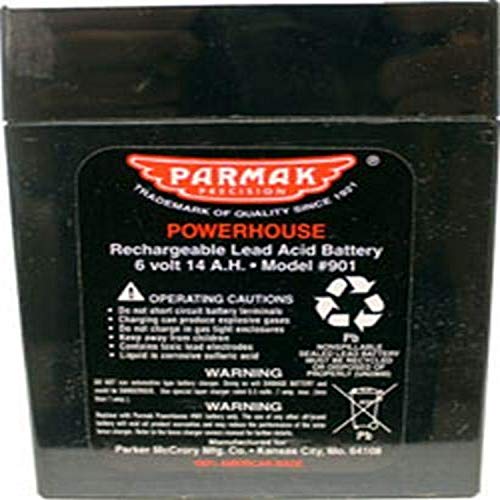
Parmak’s 901 model is a 6-volt gel cell battery rated at 14Ah, designed for non-hazardous lead-acid applications. The gel chemistry reduces spills and maintenance, making it suitable for solar-powered fences and other small off-grid setups. Its sealed construction helps resist vibration and temperature swings, a benefit when used in outdoor enclosures or remote locations. This battery is compact enough for limited-space installations while delivering steady output for defined load demands.
US2200XC 6V Deep Cycle Battery (8-Pack)

The US2200XC is a robust deep-cycle 6V battery, here offered as an 8-pack. It’s a frequent upgrade for solar-powered carts, marine gear, RVs, and industrial uses due to its substantial 232Ah capacity and rugged build. The battery’s GC2 group size, molded-in terminals, and polypropylene case contribute to easy installation and compatibility with standard battery racks. This option suits higher-demand systems or multi-battery configurations where longevity and cycle durability are priorities.
Wildgame Innovations Edrenaline 6V Rechargeable Battery

The Edrenaline 6V rechargeable battery from Wildgame Innovations is designed for game feeders, delivering multi-use capability with a 4.5Ah capacity. Its tab-style design and rechargeability make it a practical choice for remote wildlife setups, where access to power may be limited. While not as high-capacity as larger deep-cycle options, the Edrenaline battery emphasizes reliability, quick replacement, and ease of transport for hunting or wildlife management applications.
ML14-6 6 Volt 14 Ah SLA Battery

The Mighty Max ML14-6 is a sealed lead-acid (SLA) rechargeable battery with 14Ah capacity, designed for maintenance-free operation. Its AGM design provides spill resistance, stable performance across a wide temperature range, and a durable case suitable for mounting in small enclosures or vehicle compartments. It is a common choice for solar-feeding systems that require dependable, long-lasting power with minimal upkeep.
Mighty Max Battery ML7-6 6V 7Ah SLA Battery

The ML7-6 battery is a compact 6V 7Ah sealed lead-acid option. It’s UL certified and designed for simple, maintenance-free operation. With a small form factor and standard F1 terminals, this battery is a practical choice for basic solar-powered devices, host feeders, or small backup power scenarios requiring a reliable, spill-resistant 6-volt source.
Buying Guide: Key Considerations for 6V Solar Batteries
- Capacity and load expectations: Higher Ah ratings support longer runtimes. Match the battery capacity to your system’s daily energy draw and desired autonomy.
- Battery chemistry: Gel, AGM, and flooded lead-acid each have trade-offs. Gel and AGM provide maintenance-free operation and spill resistance, while flooded variants often offer lower upfront costs but require more upkeep.
- Cycle life and durability: Deep-cycle batteries are designed for repeated charging and discharging. Look for rated cycle counts and temperature tolerance for outdoor use.
- Size and mounting: Ensure dimensions fit your enclosure or rack. Terminal type (F1, UTL, etc.) should be compatible with existing hardware and wiring.
- Maintenance needs: Maintenance-free SLA/AGM options reduce servicing in remote locations. Gel cells also offer spill resistance and easier placement in tight spots.
- Temperature performance: Cold and hot extremes affect capacity and longevity. Choose batteries with specs that align with your climate and mounting environment.
- Warranty and support: Longer warranties and clear replacement policies help protect against early failures in off-grid setups.
- Compatibility: For solar feeders or multi-battery banks, verify compatible voltages, group sizes, and electrical connections to minimize mismatches.
- Environmental considerations: For wildlife feeders or outdoor installations, sealed designs reduce risk of leaks and reduce maintenance in damp or dusty conditions.
Usage Scenarios and Comparisons
For low-demand, quick-replacement tasks, smaller 4.5–7Ah 6V batteries can be suitable, especially in remote locations where frequent servicing isn’t feasible. Deep-cycle 6V options with 14–232Ah capacity are better suited for longer runtimes and higher usage profiles, such as solar-powered systems with multiple devices or extended autonomy. Gel or AGM variants are typically favored for outdoor installations due to spill resistance and maintenance-free operation, while standard flooded lead-acid options may be more budget-friendly for temporary setups.
In all cases, plan for a safe charging regime and proper wiring to avoid over-discharge, which reduces battery life. If your system requires frequent cycling or high peak loads, prioritize higher Ah ratings and a robust deep-cycle design. For installations in harsh environments, select sealed or gel designs with good temperature tolerance and reliable terminals.