Choosing a smart thermostat for an apartment can improve comfort, reduce energy waste, and simplify daily routines. This guide highlights five top options available on Amazon that suit apartment living, with clear distinctions on compatibility, features, and installation. Each product section includes a quick reference and practical considerations to help renters and condo dwellers pick a model that works with their HVAC setup and smart home ecosystem.
| Product | Brand | Main Benefit |
|---|---|---|
| Amazon Smart Thermostat | Amazon | Easy upgrade, energy savings, rebates |
| ecobee Smart Thermostat Essential | ecobee | Energy savings with broad compatibility |
| meross Smart Thermostat | meross | Matter integration and flexible scheduling |
| Sensi Smart Thermostat | Emerson | Privacy focused, easy DIY install |
| Google Nest Thermostat (Snow) | Energy monitoring with smart home integration |
Amazon Smart Thermostat — Simple Upgrade For Apartments

The Amazon Smart Thermostat offers a straightforward path to energy savings without complex setup. It is designed to replace traditional thermostats with a streamlined, user-friendly experience that integrates with Alexa and Ring ecosystems. In apartment environments, the device can simplify zone control by enabling presets and routines tied to common living areas. The thermostat’s smart scheduling features align with typical apartment occupancy patterns, allowing you to reduce cooling and heating when you’re away or at night.
Key features include a clear upgrade path from older models, automatic adjustments based on temperature readings and presence detection using Echo devices, and potential rebates from energy providers after purchase. While it’s optimized for quick installation in many standard setups, renters should verify C-wire requirements with their building’s electrical system. For those already using Amazon’s smart devices, this model provides cohesive voice control and routine automation across the home.
ecobee Smart Thermostat Essential — Energy Star Certified

The ecobee Smart Thermostat Essential is designed for apartment living where flexible control matters. It’s Energy Star certified and integrates with Siri, Alexa, and Google Assistant, enabling cross-platform voice control. The device supports up to 23% potential savings on annual heating and cooling, especially when aligned with a daily routine and occupancy patterns. The color touchscreen makes local adjustments quick, while a mobile app provides convenient remote access. ecobee emphasizes compatibility with many HVAC configurations, and the availability of a compatibility checker helps renters confirm suitability before installation.
In practice, the thermostat adapts to your schedule, turning down heating or cooling when you’re away and returning to comfortable temperatures when you’re home. It’s a strong choice for apartment residents who want reliable energy management without frequent recalibration. Free software updates ensure continued improvements over time, preserving value as your smart home grows.
meross Smart Thermostat — Matter Compatible
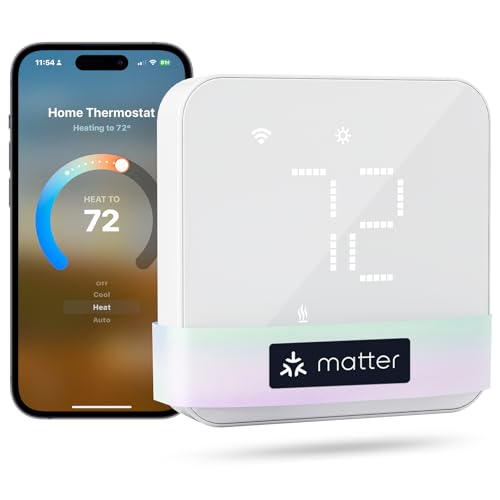
Meross presents a versatile option for apartment dwellers seeking Matter integration and broad voice control. This thermostat supports Apple Home, Amazon Alexa, Google Home, and Samsung SmartThings, providing a cohesive smart home experience across platforms. A prominent feature is the 24/7 scheduling that lets you tailor heating and cooling to your routine, ensuring comfort whether you’re home, at work, or traveling. The device requires C-wire in certain wiring configurations, so checking compatibility is important before purchasing. It’s particularly strong for renters who want a flexible, widely compatible solution.
The meross model emphasizes resource conservation and clear usage tracking within the app, helping you monitor energy consumption over time. It’s a practical option for apartments where you value efficiency, automation, and compatibility with multiple voice assistants without getting locked into a single ecosystem.
Sensi Smart Thermostat — Privacy and Easy DIY Install
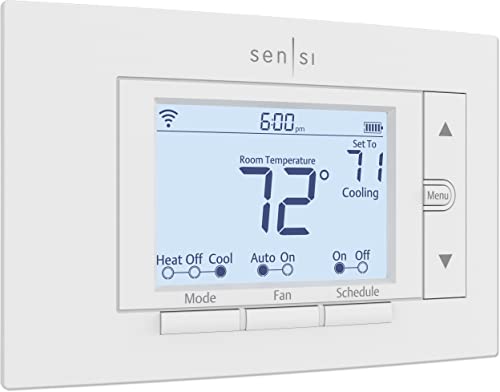
The Sensi Smart Thermostat from Emerson emphasizes privacy and straightforward do-it-yourself installation. It’s designed for a broad range of HVAC systems found in many apartments, with a focus on simple setup guided by the accompanying app. The thermostat typically does not require a common wire (C-wire) for most installations, which can simplify retrofits in rental units where wiring changes are constrained. ENERGY STAR certification highlights its efficiency benefits, and usage reports provide insights into how different schedules influence energy use. This model suits renters who want a reliable, privacy-conscious option with a quick install.
Important considerations include confirming C-wire needs for your specific system and ensuring compatible equipment. If you’re upgrading from an older programmable model, Sensi offers familiar features like remote access and flexible scheduling without heavy ecosystem commitment, making it a balanced choice for apartment living.
Google Nest Thermostat (Snow) — Energy Saving And Connectivity

The Google Nest Thermostat (Snow) is built around energy awareness and seamless integration with Google Assistant and other smart devices. Energy Star certified, it helps you program energy-efficient schedules and learn from your behavior to optimize heating and cooling. While designed to work without a C-wire in many homes, some configurations may still require one or an alternate power accessory. Nest’s learning features and automation capabilities can be particularly appealing in apartment settings where simple, automatic adjustments improve comfort with minimal manual input.
Renters may benefit from its strong compatibility with Android and iOS devices, plus easy setup through the Google Home app. It’s a suitable option for those already invested in the Google ecosystem or seeking a thermostat that prioritizes energy monitoring and smart scheduling as core benefits.
Google Nest Thermostat (Charcoal) — Compact And Energy Aware
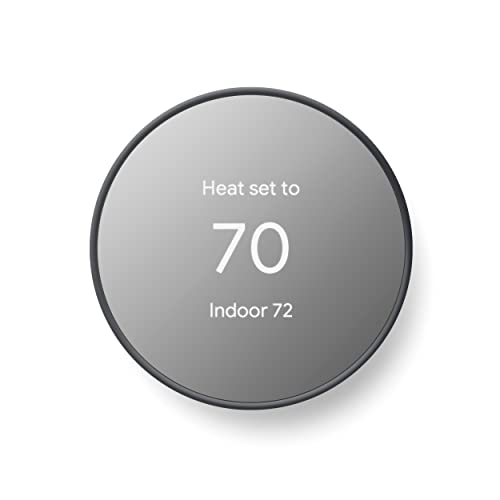
The Nest Thermostat in Charcoal offers similar energy-saving capabilities with a slightly different aesthetic to suit apartment interiors. It emphasizes ease of use, compatibility with the broader Nest ecosystem, and energy-conscious operation. This model supports a variety of network setups and can work with or without a C-wire, depending on your system’s specifics. Nest’s software updates and app-based control provide a consistent, intuitive experience for renters who want a proven, widely supported smart thermostat that blends into modern living spaces.
Buying Guide: Key Purchase Considerations
- HVAC compatibility: Most thermostats support common 24V systems, but some require C-wires or specific configurations. Use a compatibility checker when possible and confirm with your landlord or building management if you’re renting.
- Energy savings potential: Look for Energy Star certification and features like occupancy-based scheduling, geofencing, and remote access. Savings will vary by climate and usage patterns.
- Smart home integrations: Decide which voice assistants you prefer (Alexa, Google Assistant, Siri) and confirm that the thermostat supports them. Cross-platform compatibility can reduce friction in multi-device households.
- Installation ease: For renters, DIY installation that doesn’t require altering wiring is ideal. Models that work with a C-wire or offer a simple adapter option can minimize installation hurdles.
- Data privacy and security: If privacy is a priority, consider brands that emphasize data protection and provide clear usage reports without excessive data sharing.
- Future-proofing: Some thermostats receive regular software updates and support for new standards (like Matter). This can extend the device’s useful life in a growing smart home.
- Ongoing support and rebates: Some manufacturers or utilities offer rebates or energy programs. Check eligibility after purchase to maximize savings.
Apartment dwellers benefit from thermostats that balance easy installation, strong energy management, and broad compatibility with existing smart home setups. Each option listed above offers distinct advantages, depending on whether you prioritize privacy, cross-platform control, or seamless integration with a larger Alexa, Google, or Apple ecosystem. When choosing, consider current heating and cooling equipment, the presence of a C-wire, and how you plan to use scheduling, automation, and remote controls in day-to-day living.