Choosing the right lithium-ion and rechargeable AA batteries can impact performance in smart home devices, cameras, remotes, and gaming gear. This guide highlights top rechargeable options and reliable lithium primary contenders to help you balance longevity, cost per use, and device compatibility. Read on to compare capacities, cycles, and practical use scenarios for each product.
| Product | Brand | Pack Size | Approximate Capacity (mWh) |
|---|---|---|---|
| Mupoer Rechargeable AA Batteries Lithium with Charger | Mupoer | 8 Pack | ~2500 |
| Zepath Rechargeable AA Batteries Lithium 8 Pack | Zepath | 8 Pack | ~3600 |
| Zepath Lithium Batteries AA 8 Pack | Zepath | 8 Pack | ~2500 |
| Rechargeable AA Batteries 24 Count (Li-ion) | Mupoer | 24 Count | ~3000 |
| Energizer Ultimate Lithium AA Batteries (8 Pack) | Energizer | 8 Pack | ~? (Primary lithium, non-rechargeable) |
Note: The first four entries focus on rechargeable AA lithium-ion cells, common in electronics and smart devices. The Energizer entry represents a primary lithium option for comparison, though it is not rechargeable. When shopping, verify device compatibility, especially for high-drain devices or smart home sensors.
Mupoer Rechargeable AA Batteries With Charger

These 8-pack lithium-ion AA cells are designed for high-drain devices like gaming controllers, cameras, and streaming gear. Key features include a 2500 cycle life and a built-in charging/storage solution, enabling compact portability and on-the-go charging. The pack emphasizes long-term savings via repeated rechargeability and reduced waste, suitable for households with multiple devices that regularly draw power.
Zepath 8‑Pack 3600mWh Rechargeable AA Batteries
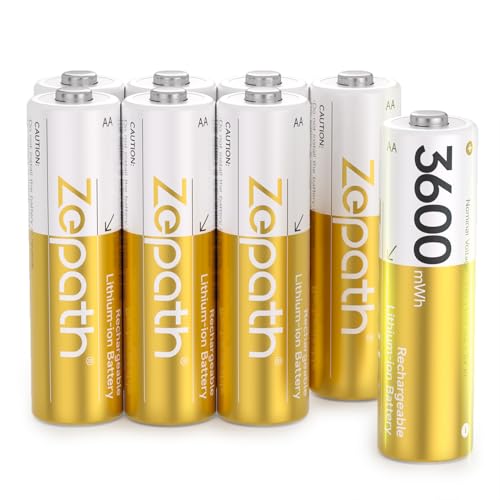
Offering a high energy capacity, these Zepath AA cells are built for devices with variable power needs, such as Blink cameras, game controllers, and rugged remote sensors. With 2000+ recharge cycles, the batteries are designed for longevity. A steady 1.5V output helps maintain performance in precision devices and digital accessories that demand consistent voltage.
Zepath AA 8 Pack 2500mWh Lithium Batteries

These 1.5V lithium-ion AA cells focus on a balance of capacity and cycle life. They are suitable for high-drain devices like gaming peripherals and smart home devices that require reliable, steady power. The manufacturer highlights compatibility with a range of devices while noting a robust cycle performance designed to minimize replacements.
Mupoer 24 Count Rechargeable AA Batteries Li-ion

This 24-count option from Mupoer targets households with multiple rechargeable needs. Featuring a high-capacity 3000mWh per cell and a 2500-cycle life, these batteries are marketed for long-term use in devices such as Blink cameras, Xbox controllers, and handheld electronics. An emphasis is placed on low self-discharge and a stable voltage output to sustain performance across the battery life.
Energizer 24-Count Lithium AA Batteries

For comparison, this Energizer set features primary lithium AA cells designed for reliability in extreme temperatures. While not rechargeable, they offer long shelf life and dependable performance for devices that require high energy density without frequent battery changes in remote or hard-to-reach locations. If a device is not compatible with rechargeable packs, these may serve as a long-lasting alternative.
Buying Guide: Key Purchase Considerations For Lithium Ion And Rechargeable AA Batteries
- Battery chemistry and compatibility: Look for true Li-ion AA cells if your device supports rechargeable power. Some products market as “lithium” but are primary cells; double-check compatibility with your device’s charging system and voltage stability requirements.
- Capacity and cycle life: Higher mWh ratings indicate more energy per cell, useful for high-drain devices. A longer cycle life reduces replacement frequency, delivering better long-term value.
- Chargeability and accessories: Rechargeable packs often come with chargers or storage boxes. Consider whether you need an all-in-one solution or a modular approach with separate chargers.
- Temperature tolerance: For outdoor cameras or devices operating in varying climates, select batteries rated for wide temperature ranges to avoid performance drops in cold or hot environments.
- Self-discharge and voltage stability: Low self-discharge is beneficial for devices used infrequently. 1.5V constant voltage helps maintain consistent performance for sensitive devices.
- Device-specific considerations: Some devices (like certain Blink cameras or gaming controllers) have specific battery recommendations. Verify manufacturer guidance to avoid reduced performance or device risk.
- Environmental and cost factors: Rechargeable batteries can reduce waste and long-term costs, but upfront price and cycle costs vary. Consider your typical usage pattern and whether a higher upfront investment yields savings over time.
- Brand support and warranty: Reputable brands often provide clearer guidance on charge cycles, performance, and replacement options, contributing to a more predictable ownership experience.
In summary, for households with multiple high-drain devices, rechargeable AA lithium-ion batteries paired with a reliable charger typically offer the best balance between performance and long-term savings. For devices that sit idle for extended periods, primary lithium options can be useful as a backup power source due to their long shelf stability.