For security camera setups, the right PCI or PCIe components can streamline connectivity, expand storage, and improve network reliability. This guide highlights five relevant products that help you build or upgrade a camera-focused system, from network adapters that ensure steady video streams to durable storage options for continuous recording. Each section includes a quick look at features, compatibility notes, and practical use cases to help you compare at a glance.
| Product | Brand | Key Benefit |
|---|---|---|
| TP-Link TG-3468 | TP-Link | Gigabit Ethernet PCI Express upgrade for fast, reliable network access |
| [Upgrade] PCIe Ethernet Card NIC | GWFIBER | Driver-free, PXE/Wake on LAN, broad OS support |
| Noonkey Micro SD Card 64GB | Noonkey | High endurance, suitable for continuous camera recording |
| Hiseeu Micro SD Card 64GB | Hiseeu | A1-rated performance for faster app load and video storage |
| QTHREE GeForce GT 210 | QTHREE | Low-profile GPU option for compact camera server PCs |
TP-Link TG-3468 10/100/1000Mbps PCI Express Network Card
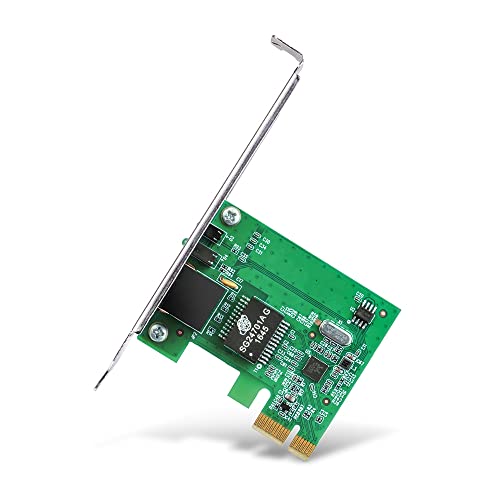
The TP-Link TG-3468 is a PCI Express network adapter supporting 10/100/1000 Mbps Ethernet. It’s designed for upgrading older systems or building compact security camera stations with reliable wired connectivity. Features include auto-negotiation, wake-on-LAN, and full/half-duplex flow control to optimize data transfer for surveillance streams. Its compatibility with Windows makes setup straightforward for home or small business camera deployments.
Why it matters for security cameras: a stable wired connection minimizes latency and jitter in video streams, reduces wireless interference, and ensures consistent access to NVRs or cloud backends. This card fits standard PCIe slots, making it a practical upgrade for many older desktop servers used in camera control rooms or remote NVR setups.
[Upgrade] PCIe Ethernet Card NIC 10/100/1000Mbps Gigabit PCI-Express Network Card

This PCIe network card supports 10/100/1000 Mbps with a PCI-Express interface and is driver-free for Windows 10/11 environments. It emphasizes Wake On LAN, PXE boot capability, and efficient transmission with minimal resource use. The card is marketed as compatible with a range of industrial and embedded systems, including Windows, Linux, and macOS, making it suitable for various camera server installations where a dedicated NIC helps isolate traffic from other devices.
Practical considerations: driver-free operation reduces setup friction in mixed environments. Its PCIe x1/x4/x8/x16 compatibility helps in building a scalable camera network where multiple NICs might be required for load balancing or network segmentation in surveillance facilities.
Hiseeu Micro SD Card 64GB For Cameras

The Hiseeu 64GB microSD card is designed for security cameras, offering Read speeds around 90 MB/s and Write speeds near 25 MB/s. It targets both indoor and outdoor camera setups and is suitable for 4K video storage, where supported by the host device. The card claims A1 performance for faster app loading and snappy camera operation, which helps in motion-triggered recording scenarios and quick retrieval of footage from the camera’s storage.
Key takeaways for camera deployments: choose a card with endurance features to withstand continuous writes, especially in 24/7 recording environments. The higher read speed helps with faster video access and backup tasks, while capacity flexibility supports longer retention times on-site before offloading to a central NVR or cloud repository.
Noonkey Micro SD Card 64GB For Security Cameras
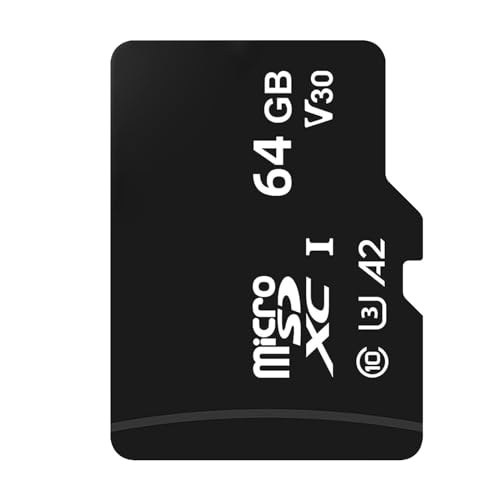
Designed for security cameras, the Noonkey 64GB microSD card emphasizes compatibility with indoor and outdoor cameras, including light bulb and surveillance models. It supports common file systems and provides ample storage for continuous recording. The card’s endurance-oriented design makes it suitable for loop recording where periodic overwrites are needed, helping to extend the service life of the card in camera deployments.
Usage guidance: match card capacity to your retention policy and camera frame rate. For high-motion cameras or 4K streams, higher write endurance and sustained write speeds are critical to prevent dropped frames during recording.
GODSHARK PCIe Serial Expansion Card

This PCIe serial expansion card provides two RS-232 ports and uses a PCIe x1 interface, with compatibility extending to PCIe x4, x8, and x16 slots. While primarily a general serial interface card, it can be relevant for camera systems that rely on serial console management, legacy peripherals, or certain industrial camera controllers that use RS-232 connections. The card adheres to PCIe Specification Revision 1.1 for broad compatibility in desktop PCs and embedded environments.
Considerations for camera rooms: serial expansion is rarely the primary requirement for IP cameras, but it can support telemetry, camera controllers, or legacy devices that still use RS-232 interfaces in an integrated surveillance setup. Ensure your system’s IO layout accommodates such a card if needed for peripheral management.
Buying Guide: Key Purchase Considerations For Security Camera PCI Cards
When selecting PCI/PCIe cards for security camera systems, balance performance, compatibility, and reliability. Consider the following factors to tailor your choice to your deployment:
- Network reliability and speed: For IP cameras, a Gigabit Ethernet NIC reduces bottlenecks. Prefer driver-free or widely supported drivers to simplify deployment across Windows, Linux, and embedded systems.
- System compatibility: Confirm slot availability (PCIe vs PCI), supported operating systems, and whether PXE/Wake-on-LAN features are required for remote management.
- Storage endurance and capacity: For camera storage, choose microSD cards with high endurance and adequate write speeds. Align capacity with your retention policy and backup workflow to avoid data loss.
- Use-case alignment: If you need a PCIe card for serial management or legacy peripherals, ensure the card supports the required RS-232 features and baud rate ranges.
- Form factor and cooling: For compact security server setups, low-profile GPUs or NICs that fit ITX or SFF cases can reduce clearance issues and improve airflow.
- Future-proofing: Consider scalability, such as multiple NICs for network segmentation, or an upgrade path to higher-performance storage solutions in the same chassis.
In practice, for camera-centric installations you’ll typically prioritize robust network connectivity (fast wired NICs) and reliable storage (endurance microSD or appropriate onboard storage strategy). GPUs or ancillary PCIe devices should be chosen based on whether on-site video processing or rendering needs justify their inclusion.