Discover top SDR transmit/receive switch solutions and related sharing devices that help you route signals between transceivers and antennas with minimal loss and strong isolation. This guide highlights five options, from rugged aluminum TR switches to versatile SDR dongles and related RF sharing hardware, with key features that matter for performance and stability.
| Product | Brand | Key Strengths |
|---|---|---|
| Aluminum Alloy SDR Transceiver Switch Antenna Aharer TR Switch Box | MOUDOAUER | Broadband DC–160 MHz, up to 100W, fast switching, high isolation |
| 100W DC to 160MHz SDR Transceiver Switch, Aluminum Alloy | YWBL-WH | Gas discharge protection, compact, straightforward connections |
| Yaregelun SDR Transceiver Switch Antenna Sharer | Yaregelun | DC–160MHz, 50 Ω impedance, simple sharing |
| BestCH Global Switching AC Adapter for SDR gear | BestCH | Worldwide input, multiple safety protections |
| RTL-SDR Blog V4 Series (Dongle) | RTL-SDR Blog | TCXO, wide tuning range, active bias tee options |
Note: The products listed focus on SDR transmit/receive switching and related RF sharing capabilities, including high isolation, impedance matching, and robust build quality for stable operation in diverse environments.
Aluminum TR Switch Box With Broadband Coverage

The MOUDOAUER TR switch box delivers broadband coverage from DC to 160 MHz with a maximum transmit power of 100W. Its aluminum construction provides durability and effective shielding. Switching is designed for rapid transceiver changes, with an ON time under 20 ms and a release time under 190 ms. In receive mode, isolation typically reaches 40 dB, reducing interference from transmitted signals and enhancing receiver sensitivity.
Designed for versatile SDR setups, this switch helps preserve signal integrity when sharing an antenna among multiple transceivers. The combination of high isolation and high power handling makes it suitable for hobbyist and more demanding field deployments alike.
100W SDR Transceiver Switch, 160MHz, Aluminum

This aluminum alloy switch box is built to be compact yet capable, featuring gas discharge protection to guard against surges and damage. It is designed for easy portability and storage, with straightforward connections to power, SMA cables, and a PTT control cable. Impedance is 50 Ω, matching typical SDR front-ends, and the device emphasizes ease of use in field setups where quick reconfiguration is needed.
Its simple operation and rugged design make it a practical choice for users who require a reliable antenna sharing solution without complex control interfaces. The combination of protection features and easy handling supports robust long-term performance in varied environments.
Yaregelun SDR Transceiver Switch Antenna Sharer

The Yaregelun sharing device supports a DC to 160 MHz range with 50 Ω impedance, aligning with common SDR systems. The device is intended to share a single antenna across multiple SDR transceivers, reducing hardware footprint while maintaining clean signal paths. Its compact design and straightforward operation suit hobbyist labs and portable field stations where quick switching between transmit and receive is essential.
Key strengths include compatibility with typical SDR front-ends and reliable RF routing. This makes it a solid option for users seeking an affordable, no-frills sharing solution that fulfills essential switching requirements without added complexity.
BestCH Global Switching AC Adapter for SDR Gear
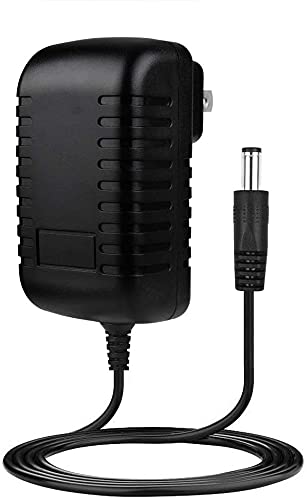
The BestCH AC adapter provides worldwide input compatibility (100–240 VAC, 50/60 Hz), supporting SDR equipment across different regions. Safety features include automatic overload protection, thermal cutoffs, short-circuit protection, and measures to prevent voltage fluctuations during transmit, receive, or power-off states. While not a traditional RF switch, a reliable power supply is a crucial component in maintaining stable operation for SDR systems that require consistent power delivery to switching hardware and connected SDR devices.
For users deploying SDR stations in diverse locations, this adapter helps ensure consistent performance and reduces risk of power-related interruptions that could affect switching reliability and receiver sensitivity.
RTL-SDR Blog V4 R828D Dongle with 1PPM TCXO

The RTL-SDR Blog V4 R828D dongle includes a 1PPM TCXO and a bias tee, enabling flexible SDR reception across a wide frequency span from 500 kHz to 1.7 GHz, with up to 3.2 MHz instantaneous bandwidth (2.4 MHz stable). It uses an aluminum shielded case for passive cooling and improved filtering for cleaner signal paths. The device is RX-only and pairs well with SDR front-ends that require reliable receive functionality while sharing an antenna with other gear.
This dongle is favored for experiments, monitoring, and learning environments where a compact, capable receiver module is essential. The TCXO enhances frequency stability, which is beneficial when coordinating with switching hardware in SDR setups.
RTL-SDR Blog V4 R828D Dongle (USB-C)

This USB-C variant of the RTL-SDR Blog V4 R828D dongle offers the same R828D tuner with a 1PPM TCXO, HF bias tee, and a shielded aluminum case. It targets users who prefer USB-C connections and modern port compatibility while maintaining the same wide frequency coverage and filtering enhancements. The dongle remains RX-only, suitable for listening, demodulation, and reception tasks within SDR setups that include switching hardware and sharing antennas.
Buying Guide: Key Considerations for SDR Transmit/Receive Switching
- Frequency range and impedance: Ensure the switch or sharing device covers your operating bands (typically DC to 160 MHz in these options) and matches your system’s 50 Ω impedance to minimize reflections.
- Power handling and isolation: For transmit applications, confirm the maximum transmit power and isolation ratings. Higher isolation reduces leakage into the receiver path, improving SNR and reducing spurious responses.
- Switching speed and stability: Look for low ON and OFF times to enable rapid transitions between transmit and receive modes, especially in time-multiplexed setups or on-air testing scenarios.
- Build and shielding: Aluminum or metal housings aid in shielding RF paths and dissipating heat, contributing to reliable performance in field or lab environments.
- Protection features: Gas discharge, overvoltage, and short-circuit protections help safeguard equipment during power surges or fault conditions, which is valuable in rugged deployments.
- Ease of integration: Consider how the device interfaces with power, control cables, and RF cables (SMA, F connectors, etc.). Simpler connections reduce setup complexity and potential miswiring.
- Compatibility with SDR ecosystems: If pairing with RTL-SDR dongles or other SDR front-ends, ensure the switching device does not introduce excessive insertion loss or crosstalk, preserving receiver sensitivity.
- Portability vs. fixed installations: Choose between compact sharing boxes for field use or larger, more robust units for stationary installations, depending on your operating environment.
- Safety and regional standards: For AC adapters and power supplies, verify voltage ranges and safety certifications to ensure compliance in your region.