Choosing the right rubber ducky antennas can noticeably improve radio reception across LoRa, HF/UHF scanners, and marine radios. This article examines several popular rubber duck antennas, focusing on gain, compatibility, and practical use cases to help American buyers compare options. Below is a quick overview table of the selected products, followed by in-depth sections for each item and a comprehensive buying guide.
| Product | Brand | Approximate Gain | Use Case |
|---|---|---|---|
| 900MHz 2DBi Rubber Ducky Antenna | Generic | 2 dBi | Meshtastic, LoRa, Helium radios |
| AntennaMastsRus Marine Rubber Ducky Kit | AntennaMastsRus | Not specified | Marine, RVs, ATVs |
| Antenna for Police Scanners 830B | Zip Scanners | 6+dB boost | 700–900 MHz police scanners |
| 915Mhz Rubber Duck LoRa Antenna | Embedded Works | 2 dB | 915 MHz LoRa outdoor use |
| AIR802 Dipole Rubber Duck Antenna 90° | AIR802 | 2.15 dBi | 450–470 MHz with SMA |
900MHz 2DBi Rubber Ducky Antenna (2-Pack)
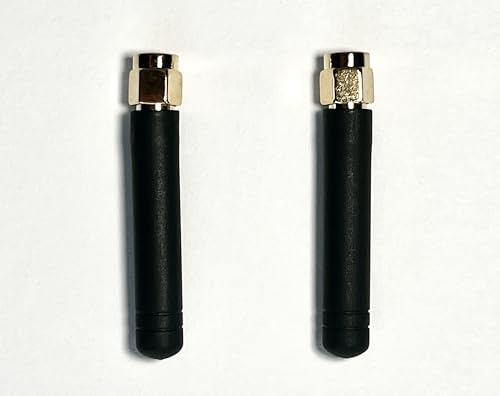
Compatibility is centered on 900 MHz applications, including Meshtastic, LoRa, and Helium radio devices with standard SMA connectors. The compact 2-inch design offers a low-profile profile while maintaining reliable reception. The package includes two identical antennas for backups or multi-device setups, ensuring spares are ready when needed. Suitable for compact devices that require a discrete antenna footprint without sacrificing gain.
AntennaMastsRus Marine Rubber Ducky Kit

The AntennaMastsRus rubber ducky kit is designed for marine and large-vehicle environments, including boats, RVs, campers, and tractors. While exact gain is not specified, the kit emphasizes compatibility with a wide range of marine and outdoor equipment. It is marketed to fit “ALL MARINE APPLICATIONS,” with emphasis on durability in harsh conditions and broad fit across different models and brands. Buyers should verify connector compatibility and mounting hardware for their specific vessel or vehicle.
Antenna for Police Scanner Radios 830B Remtronix

This 830B Remtronix rubber ducky antenna is designed for 700–900 MHz UHF band with a BNC end type and an 8-inch flex-angle design. It advertises a 6+dB gain boost over stock handheld police scanner antennas, with compatibility for several Uniden and Whistler models. The product page suggests using the manual’s compatibility chart to confirm fit for a given scanner, making it a practical choice for users seeking clearer reception in urban and suburban environments where signals can be obstructed.
915MHz Rubber Ducky LoRa Antenna

This 915 MHz rubber duck antenna is designed for outdoor LoRa applications with an RP-SMA connector and a stated gain of 2 dB. It specifies a 50-ohm impedance and a center frequency of 915 MHz, making it suitable for LoRa gateways, nodes, and other 915 MHz devices operating in open-air environments. The multi-band capability suggests flexibility for surrounding RF conditions, but the stated gain remains modest, appropriate for coverage in moderate-range installations.
AIR802 Rubber Ducky Antenna 90° (450–470 MHz)

The AIR802 dipole rubber duck antenna covers 450–470 MHz with a 2.15 dBi gain and an SMA connector. The 90-degree angle design helps with mounting in tight spaces or on devices where straight antennas would cause interference or stress on the connector. This option is well-suited for 450–470 MHz communications, including certain public safety and business radio systems, where a little extra gain can improve range and reliability.
Antenna for Police Scanner 800B Remtronix

The 800B Remtronix offers a 7-inch flexible whip design for 700–900 MHz UHF operation with a BNC end type. Like other police scanner antennas, it claims a 6+dB gain increase over stock options, contributing to improved reception in challenging environments. The flexible whip helps reduce physical strain during mounting and daily handling, which is particularly beneficial for portable scanner setups or vehicle mounting.
Standard Horizon Rubber Duct Antenna

The Standard Horizon rubber duck antenna is a simple, dedicated option for compatible handheld radios. The product page notes it as a standard rubber duck antenna for the CAT460 models. It is a straightforward selection for users seeking a replacement that remains true to the original design while providing dependable performance for basic operations in 450–900 MHz ranges depending on the model compatibility and bandwidth.
Buying Guide: Key Purchase Considerations And Comparisons
- Frequency compatibility: Match the antenna’s operating range with your radio system (e.g., 450–470 MHz, 700–900 MHz, 915 MHz, or 900 MHz). Some antennas are multi-band, but performance can vary by band.
- Gain versus size: Higher dBi gain can improve range but may reduce bandwidth and directionality in some layouts. Consider where the device will be used (urban, rural, marine) and the need for compact form.
- Connector type: Most of these antennas use SMA or BNC connectors. Ensure your device has the corresponding connector and can accommodate the antenna without adapters that may introduce losses.
- Mounting and polarity: Some antennas offer flex angles or 90-degree mounting to fit onto devices with limited space. Check if the mounting method works with your device’s enclosure and mounting hardware.
- Environment and durability: Marine and outdoor deployments benefit from weatherproofing and rugged construction. For portable field use, consider anti-vibration designs and UV resistance.
- Nova or multi-device setups: If you operate multiple radios, consider purchasing dual-pack options to maintain spares and reduce downtime during field operations.
- Brand and compatibility: Reputable brands with explicit compatibility charts reduce the risk of poor fit. Always cross-check the product’s compatibility with your exact model.
- Practical testing: Real-world tests vary by environment. When possible, perform a field test to verify gain claims under your typical operating conditions.
In summary, the best rubber ducky antenna for gain depends on your frequency band, device compatibility, and mounting constraints. Lower-profile 2-inch options are ideal for compact devices, while longer antennas offer more robust gain for challenging reception scenarios. For marine, scanner, or outdoor LoRa deployments, select antennas that advertise the correct band and durable construction. Always confirm connector type and mounting compatibility before purchasing.