Smartphone-based RFID readers offer on-the-go access to tagging, inventory, access control, and mobile payments. The following five devices are among the most relevant choices for users who need a compact, USB-C or Bluetooth-enabled solution that works with Android, iOS, or Windows. This guide highlights each product’s capabilities, connectivity, and best-use scenarios to help you compare quickly.
| Product | Brand | Key Feature | Connectivity |
|---|---|---|---|
| Geenfc A7 Portable UHF RFID Reader Writer | GEENFC | UHF reading/writing, 0-30 cm read distance | Type-C USB, Bluetooth 5.0 |
| SumUp Plus Card Reader | SUMUP | Magstripe, chip, and contactless payments | Bluetooth |
| Handheld 125khz RFID Reader Writer | FIYYIA | 125kHz read/write with LED/buzzer indicators | Battery powered (AAA) |
| Ajfwm RFID Reader | Ajfwm | Dual 125kHz/13.56MHz, ISO Prox support | USB |
| Edinruis X100 RFID Reader Writer | Edinruis | Multi-frequency, supports common cards | USB |
Geenfc A7 Portable UHF RFID Reader Writer
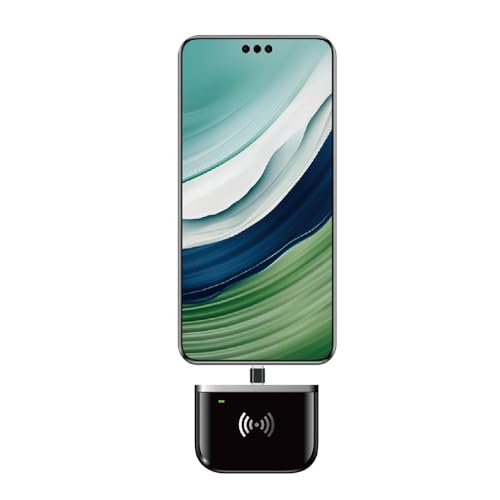
The Geenfc A7 is a compact UHF RFID reader and writer designed for mobility. Operating at 902-928 MHz with 0-18 dBm RF output, it offers a read range up to 12 inches and a write distance up to 4 inches. It supports Type-C USB and Bluetooth 5.0 for flexible connections to smartphones, tablets, and PCs. Ideal for inventory tagging, access control in small facilities, and field operations where quick tagging is essential. The device is compatible with Windows, Android, and iOS environments, enabling broad workflow integration.
Key considerations include ensuring compatibility with your target tag types (UHF vs LF/HF), confirming power availability for on-the-go use, and evaluating the stability of Bluetooth connections in the intended environment. Battery life is tied to usage, so plan for bursts of activity or wired operation when prolonged sessions are expected. The A7 combines portability with a practical feature set for professionals who need reliable UHF read/write in a handheld form.
SumUp Plus Card Reader

The SumUp Plus Card Reader is a mobile payment solution that accepts magstripe, chip, and contactless transactions, including Apple Pay and Google Pay. While primarily a payment terminal, it serves as a practical companion for businesses that require quick card-present transactions using a smartphone. Bluetooth connectivity enables wireless pairing with supported devices, facilitating checkout experiences at pop-ups, markets, or small shops. It’s particularly useful for merchants seeking a simple, single-device payment workflow without additional hardware.
Considerations include processor speed, the range of supported payment networks, and integration with existing mobile apps. For users focused on RFID-specific tagging rather than payments, SumUp is less about writing or tagging and more about enabling cashless transactions on the go. If your workflow blends RFID inventory tasks with mobile payments, this device can complement other RFID hardware rather than replace it entirely.
Handheld 125khz RFID Reader Writer

This FIYYIA handheld device operates at 125 kHz, offering a compact solution for basic read/write tasks. It uses simple two-button operation—“READ” and “WRITE”—and features built-in LEDs and a buzzer to indicate successful operations. The unit is powered by two AAA batteries, which you must supply. Its portability makes it suitable for quick card programming at access points or basic inventory tasks where longer-range or multi-frequency support is unnecessary.
Key aspects include the ergonomics of handheld use, battery management for extended field sessions, and whether 125 kHz alone meets your card type requirements. This model suits those who primarily work with low-frequency cards such as EM4100 or simple T5577 formats. For more complex cards or larger ranges, a dual-frequency unit might be preferred.
Ajfwm RFID Reader (Dual Frequency)

The Ajfwm RFID Reader covers both 125 kHz and 13.56 MHz frequencies, enabling compatibility with a broad range of proximity and smart cards. It supports ISO Prox cards and EM IDs and offers HID USB compatibility with no driver installation required on many systems. This device provides up to 40 output formats for EM4100 IDs and can handle UID formats up to 40 bits, making it versatile for access control and card management across multiple card families. A metal case lends durability for field use or heavy-duty environments.
Buyers should assess whether dual-frequency support aligns with their card ecosystem and whether USB connectivity is sufficient for their platform. Real-world performance depends on card compatibility, the reliability of the USB interface, and whether the target environment involves frequent reader-writer interactions or primarily passive reading tasks. This unit suits integrators seeking a robust, multi-frequency tool for diverse card portfolios.
Edinruis X100 RFID Reader Writer

The Edinruis X100 is a multi-frequency RFID reader/writer designed for access control systems. It supports commonly encountered cards across 125 kHz and 13.56 MHz ranges and is described as compatible with numerous tag standards. It is intended for Windows-based use and includes an accompanying USB drive with software and manuals. This device enables easier data output and card management, helping organizations integrate RFID credentials into their access systems and inventory workflows.
Considerations include software compatibility on Windows, the breadth of supported card types, and the reliability of app-based or PC-based decoding. For users who require seamless Windows integration and broad card compatibility, this model is a solid fit. Ensure that your environment supports the necessary card formats and that antivirus or security settings won’t interfere with the included software.
Buying Guide: Key Purchase Considerations And Comparisons
To select the right RFID reader for smartphone workflows, compare frequency support, connectivity, and intended use cases. Here are core dimensions to consider:
- Frequency range: Decide between low-frequency (125 kHz/134 kHz) and high-frequency or ultra-high-frequency (13.56 MHz, 125-960 MHz) based on your existing card ecosystem and future needs.
- Connectivity: Bluetooth is ideal for mobile, while USB-C or USB-A suits desktop setups. Check compatibility with your operating system (Android, iOS, Windows, macOS).
- Read/write capabilities: Some devices are read-only for tagging, while others can write to cards. If cloning or programming is needed, verify supported card formats and available software.
- Form factor and durability: Handheld vs. stationary units; consider metal housings for rugged environments or portable shells for fieldwork.
- Power and operation: Battery-powered devices offer mobility but require battery management. USB-powered devices depend on host devices for power; plan for long sessions if needed.
- Software and compatibility: Ensure the device ships with usable software or supports third-party apps you rely on. Windows compatibility and app updates can impact long-term viability.
- Card compatibility: Some readers support EM4100, MIFARE S50/S70, HID Prox, and other 14443A/B cards. Verify your target card formats before purchase.
- Security considerations: When handling access credentials, ensure data transfer is encrypted and that your device firmware can be updated to address security vulnerabilities.
Depth of use varies by need. A compact handheld reader is ideal for quick field tagging, while a dual-frequency or multi-frequency unit fits an environment with many card types. If your priority is payments and storefront checkout, a reader with robust Bluetooth pairing and integration with payment apps can streamline operations. For organizations deploying access control, reliability, software support, and compatibility with existing card types should guide the decision. Cross-check product specifications with your workflow to select a device that minimizes friction and maximizes interoperability.