Finding the right preamp with a phono input can dramatically improve vinyl playback by converting the low-level phono signal to a line-level signal suitable for modern receivers and speakers. This guide covers top options, focusing on low noise, proper gain, and versatile connections to support MM and MC cartridges, tube and solid-state designs, and user-friendly controls. Each choice aims to minimize hum and interference while preserving the original recording’s detail and warmth.
| Product | Brand | Key Feature |
|---|---|---|
| Pyle Phono Turntable Preamp PP999 | Pyle | Low-noise operation with RCA input/output; 12V DC power; line-level output |
| Fosi Audio Box X2 Phono Preamp | Fosi Audio | Three gain modes (39/42/45 dB); tube-influenced warmth; grounding post |
| Pyle Phono Turntable Preamp (RCA I/O) | Pyle | Magnetic pickup support; low-noise amp; compact and versatile |
| NEOHIPO TP10 Phono Preamp | NEOHIPO | RIAA-compliant; high SNR; RCA and 3.5mm outputs; portable-friendly |
| Douk Audio T9 Vacuum Tube Phono Preamp | Douk Audio | Vacuum tubes for warm, natural sound; MM/MC compatible; headphone output |
Pyle Phono Turntable Preamp PP999
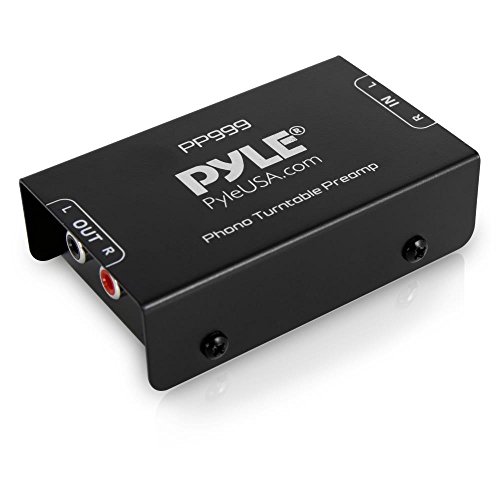
The PP999 converts phono signals from magnetic cartridges into line-level output suitable for modern amplifiers and speakers. It uses low-noise Audio operational amplifiers to reduce hiss and interference. The unit requires a 12-volt DC adapter and provides RCA input and output. For best results, place the preamp close to the source to minimize noise pickup. This model supports basic turntable setups and integrates with standard receivers without dedicated phono stages.
Fosi Box X2 Phono Preamp

The Fosi Box X2 focuses on warmth and clarity with a tube-inspired design. It offers three selectable gain modes (39, 42, or 45 dB) to accommodate various cartridge outputs, and includes a grounding post to reduce hum. It converts phono signals to line level while maintaining compatibility with MM cartridges. The device emphasizes reliable circuitry, low-noise operation, and an engaging tonal character suitable for entry-level vinyl systems.
Pyle Phono Turntable Preamp With RCA I/O

This Pyle model provides straightforward phono-to-line conversion with 3 mV input sensitivity at 50 kΩ, designed to work with magnetic cartridges. It emphasizes low-noise performance and a max 2V peak-to-peak output at 10 kΩ. Its compact build makes it suitable for setups where the preamp needs to be placed near a turntable or computer system to minimize noise and interference while connecting to receivers and speakers.
NEOHIPO TP10 Phono Preamp

The TP10 delivers high signal-to-noise ratios (≥89 dB) and adheres to RIAA equalization for faithful vinyl playback. It provides RCA and 3.5 mm outputs and features independent volume control and dedicated switches for easy operation. The design emphasizes lossless fidelity and broad compatibility across home and portable audio setups, ensuring clean, detailed sound from a range of sources while keeping noise to a minimum.
Douk Audio T9 Vacuum Tube Phono Preamp

The Douk Audio T9 uses two 6E2 vacuum tubes to create a warm, natural sonic character, with a visible magic eye level indicator and a separate headphone amplifier. It supports both MM and RCA inputs, enabling flexible turntable and media connections. Users can adjust treble and bass to tailor the sound, and the dedicated headphone jack drives headphones with an impedance range of 16–300 ohms, delivering a rich listening experience with clear highs and controlled lows.
Douk Audio P7 Phono Preamp
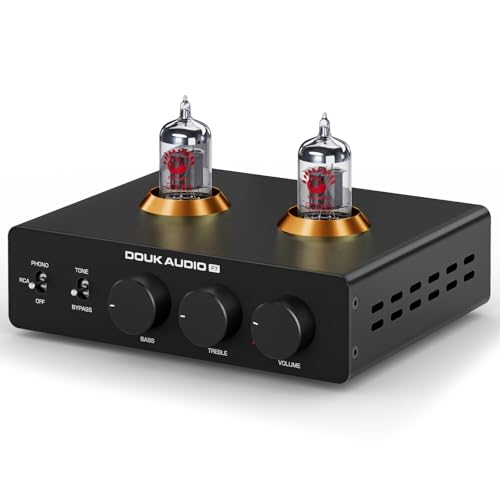
The P7 model offers a balanced XLR output for lower noise and wider dynamic range, in addition to standard RCA outputs. It supports MM cartridges and features a high-pass filter to reduce subsonic rumble, improving clarity. The tube-friendly design contributes a distinct warmth to the sound while preserving detail, making it suitable for systems seeking a more expansive, open soundstage.
Buying Guide
- cartridge compatibility: Determine if the preamp supports MM (moving magnet) or MC (moving coil) cartridges, or both. Some models handle both via selectable gain or multiple inputs.
- gain and output: Check gain options and maximum output. Too little gain results in quiet playback; too much can amplify noise. Look for preamps with adjustable gain and low noise specs.
- noise performance: Low-noise circuitry, proper shielding, and solid grounding reduce hum.Tube-based designs add warmth but may require more maintenance, while solid-state units emphasize clarity and reliability.
- outputs and connectors: Ensure the device provides RCA outputs compatible with your amplifier or receiver. Some models add 3.5 mm or XLR outputs for flexible integration with headamps or active speakers.
- phono input vs line-level: A phono stage is essential if the receiver lacks a built-in one. For line-level applications, ensure the unit truly converts phono to line without additional gain steps that could degrade quality.
- power requirements: Check supply type (DC adapter vs. USB or built-in). Placement near the source can reduce interference, but consider cable routing and power needs when planning setup.
- size and build: Compact units fit crowded setups, while heavier, tube-based preamps offer distinct tonal qualities. Consider road-use or home installation demands when choosing.
- budget and maintenance: Tube preamps may require tube replacements and checks over time. Solid-state models generally demand less upkeep but might lack the warmth some listeners seek.
- consumer use case: For casual listening, a simple, low-noise preamp with a single gain setting may suffice. For audiophiles with multiple turntables, a device with multiple inputs and adjustable gains provides flexibility.