When building or upgrading a powered PA, selecting the right subwoofer matters as much as the mains. A solid powered sub can extend your low end, improve overall clarity, and simplify setup with built-in amplification and crossovers. Below are five top-performing powered subs that align with common PA needs—from intimate venues to small clubs and DJ setups. A quick summary table follows to help you compare core specs at a glance.
| Product | Brand | Power (W) | ||
|---|---|---|---|---|
| ALTO TX12S | ALTO | 900 | 12″ | DSP EQ, Live/Music voicing, Low Pass Filters |
| Rockville RBG10S | Rockville | 1200 | 10″ | Built-in amplifier, Compact, Protection |
| Mackie Thump118S | Mackie | 1400 | 18″ | Custom voicing, Crossover, High headroom |
| PRORECK PR18 | PRORECK | 2000 | 18″ | High power, Balanced inputs, Phase/Crossover |
| Behringer EUROLIVE B1200D-PRO | Behringer | 500 | 12″ | Built-in crossover, High-cut, Outputs |
Note: All products listed are powered subwoofers designed to integrate with PA systems. Specifications reflect typical configurations and may vary by model or retailer.
ALTO TX12S 900W Powered Subwoofer

ALTO’s TX12S combines a 900W Class-D amplifier with a 12″ woofer and a 2″ voice coil, delivering deep bass and efficient performance. The DSP-based EQ supports Live and Music voicing modes, with selectable Low Pass Filters to help the sub blend with different tops and room acoustics. This model is designed for musicians, small venues, and rehersal spaces seeking reliable low-end extension without complex setups.
Rockville RBG10S Powered Subwoofer

Rockville’s RBG10S packs 1200W peak power in a compact 10″ design, with 600W program and 300W RMS. A built-in amplifier simplifies setup, letting you plug in and go. The unit includes protective circuitry, with a clip limiter to prevent distortion and protect the system, making it a practical choice for mobile DJs and small venues needing dependable bass performance without extra gear.
Mackie Thump118S 18″ Powered Sub
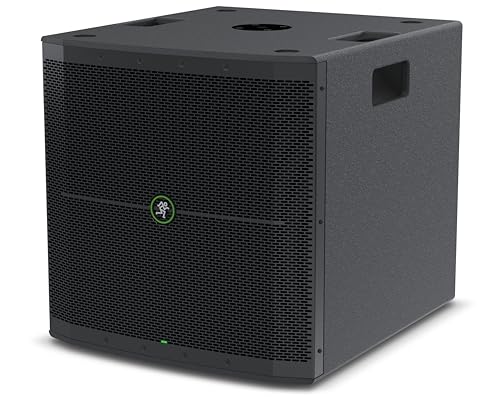
The Mackie Thump118S delivers 1400W with an 18″ woofer and a broad frequency range from 30 Hz to 200 Hz. Its Class-D amplifier is designed for reliability and consistent performance, making it well-suited for club sets, churches, or venues requiring deep, punchy bass with headroom for higher SPL needs. The customizable voicing and crossover options help tailor the bass to various tops and room acoustics.
PRORECK PR18 18″ Powered Sub
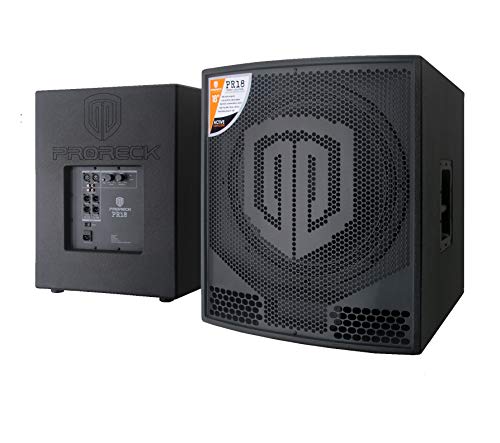
The PRORECK PR18 is a high-powered 18″ sub with 2000W peak (400W RMS/800W program). It features a 60oz magnet and a 3″ voice coil for strong low-end extension, along with multiple inputs (XLR, RCA) and outputs, enabling flexible routing for larger PA setups. A selectable phase control and a crossover range (40 Hz-160 Hz) help integrate this sub with various tops and room acoustics, suitable for larger venues and events.
Behringer EUROLIVE B1200D-PRO

The Behringer B1200D-PRO provides 500W of power with a built-in stereo crossover, enabling effective integration with top cabinets. It features a high-cut filter and high-pass filtered outputs to optimize signal flow and reduce unwanted low-end bleed, making it a practical, budget-conscious option for smaller venues and practice spaces that require solid sub performance without extra processing gear.
Buying Guide: Key Considerations For Choosing A Powered Sub
- Room size and intended use: For small rooms or home studios, a 10″ to 12″ sub with 500–900W is often adequate. Larger venues may require 18″ subs with 1200W–2000W peak power for sufficient bass extension and headroom.
- Amplifier power and efficiency: Integrated amplifiers simplify setup but ensure the sub’s RMS power matches the primary mains and tops. Class-D designs typically offer high efficiency and light weight.
- Woofer size and cabinet design: Larger woofers move more air and deliver deeper bass. If you need portability, consider compact 10″ or 12″ models with strong performance.
- DSP and crossover features: DSP EQ, vocal/mid-range voicing, and adjustable crossovers help the sub blend with different tops and room acoustics for cleaner stage sound.
- Connectivity and routing: Look for flexible inputs (XLR, 1/4″, RCA) and outputs, plus options for phase alignment, resonance control, and mono/stereo configurations to fit existing systems.
- Durability and protection: Built-in limiters and overheat protection extend life in demanding performance settings. Consider enclosure material and wheel/carrying options for transport.
- Budget vs. value: Higher-powered, feature-rich subs deliver more headroom and longer-term flexibility, but there are solid budget options that meet essential needs for smaller setups.
- Compatibility with tops: Ensure the sub’s low-pass filter and crossover range align with the mains’ crossover point to avoid gaps or overlaps in the frequency spectrum.
Choosing the right powered sub involves balancing room size, desired bass extension, and the existing PA components. The models listed above provide a range of power, enclosure design, and feature sets to help you achieve a fuller, more cohesive sound on stage or in a venue without overcomplicating the setup.