When traveling or using electronics designed for different voltages, a reliable power converter is essential. This article highlights five solid step-up/down voltage converters suitable for 110V US systems and 220V regions, including examples from Yinleader, UMI, LVYUAN, and VEVOR. It covers how they work, safety considerations, and which devices they best support. Each product section links to its Amazon listing for quick reference and comparison.
Summary of chosen products
| Product | Watt / VA Rating | Outlets / Sockets | Key Use | Brand |
|---|---|---|---|---|
| Yinleader 500W Transformer | 300W Continuous / 500W Peak | 1 US outlet (input 110V), 1 output pair | Low-wattage devices; CPAP, laptops | Yinleader |
| Yinleader 5000 Step Up/Down | 5000W | Multiple US and universal sockets | Home or small office appliances | Yinleader |
| UMI 120V to 220V Converter | 300W | Two outlets; Europe/China/Korea compatibility | Two-device simultaneous use; travel small appliances | UMI |
| LVYUAN 5000W Transformer | 5000W; 4000VA usable | 3 US + 3 universal + power cord | Heavy-duty, multiple-device power | LVYUAN |
| VEVOR 1500VA Converter | 1500VA (900VA max load) | 4 outlets: US and EU | Compact, multi-country use | VEVOR |
Yinleader 500W Voltage Transformer Power Converter

The Yinleader 500W transformer converts between 110V and 220V, usable for devices up to 300W continuous with a 500W peak allowance. It is not an isolation transformer. It supports common small appliances like CPAP machines, laptops, and mobile devices. It should not power high-wattage appliances such as coffee makers, hair dryers, microwaves, or AC units. Availability of a US input and 220V output makes it suitable for travel and light home use. Always ensure input voltage matches the local supply before plugging in.
Yinleader 5000 Step Up/Down Transformer Converter

This 5000W transformer handles larger loads, enabling voltage conversion for many appliances. It offers both 110-120V to 220-240V and vice versa with multiple sockets (US and universal). It is suitable for kitchens or small workshops with devices like rice cookers or blenders, as long as the total load remains within its rated capacity. Note the device cautions against certain high-power equipment, and verify amperage and wattage of connected items before operation.
UMI 120V To 220V Step Up Voltage Converter
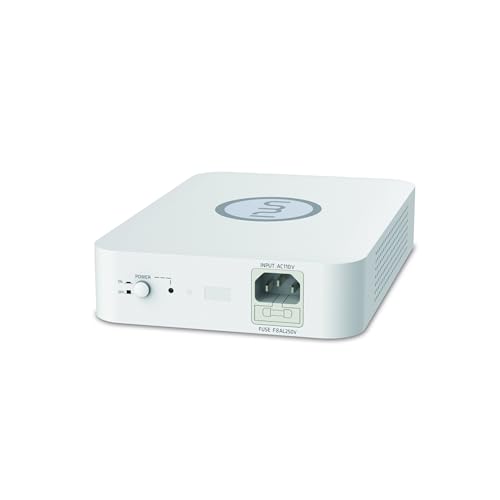
The UMI converter steps up 120V to 220V and provides two outlets for simultaneous use. It emphasizes safety with plastic shell insulation and leakage protection. Its compact, slim form factor makes it suitable for travel or light home use, especially for powering 220V devices in a 110V environment. The device is best for low-power electronics and emphasizes energy efficiency and quiet operation. Avoid using it for high-wattage appliances.
VEVOR 1500VA Voltage Converter Transformer

The VEVOR 1500VA converter supports automatic detection of input voltage and provides dual protection with an air switch and resettable circuit breaker. It powers up to 900VA with a 60% max load and includes multiple outputs (US and EU) to support several devices concurrently. It is a practical option for travelers or small households needing reliable step up and down for mixed plug types and voltage standards.
LVYUAN 5000 Watt Voltage Converter

The LVYUAN 5000W converter provides heavy-duty stepping up or down with multiple outlet types: three US sockets and three universal sockets, plus a detachable power cord. It claims 5000W capacity with 110-120V to 220-240V conversion and a 110-120V output option. Its metal casing and fanless cooling design attempt to minimize noise and odor. Users should monitor load and avoid exceeding the rated capacity, especially when powering several devices at once.
Voltage Converter 110V To 220V Step-Up & Step-Down (Autotron)

The Autotron 100W unit is designed for travel and camping, offering both step-up and step-down functionalities with a compact footprint. It is best suited for low-power devices and daily-use electronics. For higher wattage devices, a higher-capacity model is recommended to avoid overload or overheating. The device supports quick voltage adaptation for many regional standards but has a conservative power rating, making it a practical choice for travelers with small electronics.
Buying Guide: Key Purchase Considerations
- Load and wattage capacity: Match the converter’s continuous wattage to the sum of connected devices. Overloading can trigger protection features or cause damage. For high-wattage appliances, consider a model with a higher rated wattage or VA.
- Voltage range and input/output compatibility: Ensure the unit supports the voltages you’ll use (110V/120V and 220V/240V) and provides the appropriate outlets for your plugs and devices in destination countries.
- Protection features: Look for overload protection, circuit breakers, and fuses. Dual protection reduces risk to connected equipment and user safety.
- Type of transformer: Isolation transformers offer electrical isolation; non-isolation units simply convert voltage. Determine if isolation is required for your devices.
- Portability vs. capacity: Travel often benefits from compact, lightweight units with lower wattage. Home or office use may justify larger units with more outlets and higher capacity.
- Number and type of outlets: Consider how many devices you plan to run simultaneously and whether you need US, EU, or universal sockets.
- Safety for specific devices: Prohibit use with high-wattage or heat-generating appliances (e.g., hair dryers, coffee makers, space heaters) unless the converter is explicitly rated for them.
- Country-specific plugs and cords: Some models include detachable cords or require adapters. Check compatibility with your destination’s plug types and power cords.
- Maintenance and noise: Metal housings with fanless designs reduce noise and odor; consider cooling and ventilation to extend longevity.
When selecting, compare the practical needs—whether you travel occasionally or operate a home setup with multiple devices—against the converter’s rating, protection features, and outlet configurations. Always verify device wattage and peak demands before connecting, and adhere to manufacturer input voltage recommendations to maintain safety and performance.