Positive ion air purifiers use ionization to reduce airborne particles and odors, often with minimal maintenance. This guide highlights five reliable options and explains what to consider when shopping for ionizing air purifiers for home, apartment, or office spaces. Each product below is linked to its Amazon listing for easy comparison and purchase.
| Product | Brand | Key Benefit | Approx. Coverage |
|---|---|---|---|
| OION Technologies B-1000 Permanent Filter Ionic Air Purifier Pro Ionizer with UV-C | OION Technologies | Low energy, no replaceable filters, UV-C for additional purification | Supported in occupied spaces |
| POMORON MJ002H 4-in-1 Air Purifier | POMORON | HEPA filtration plus UV and ionization for comprehensive cleanup | 1250 ft² area |
| Hilmon 2-Pack Plug In Air Ionizers | Hilmon | Two-pack, ozone and negative ion modes for odor control | Home and small spaces |
| LabCharge Small Ionic Air Purifier (Pack of 2) | Lab Charge | No filters, silent operation, high-density ions | Up to 250 sq ft per unit |
| PVACG 6Pack Plug In Ionic Air Purifier | PVACG | Multiple units for broader coverage and continuous purification | Small to medium rooms |
Below is a closer look at each option, followed by a practical buying guide to help you choose the right ionizing purifier for your space and needs.
OION Technologies B-1000 Ionic Purifier With UV-C
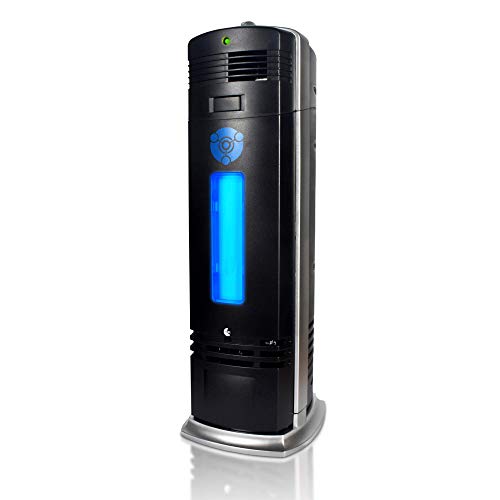
The OION B-1000 uses a compact, energy-efficient design with a permanent filter and UV-C light to enhance air cleaning. It advertises ultra-low 7.5W energy use and claims odor reduction in occupied spaces through carbon filtration and ozone management (< 0.05 ppm O3). Its small footprint (approximately 17" H x 6" W x 7" D) makes it suitable for desktops or bedside tables while maintaining quiet operation for night use. This model emphasizes long-term cost savings with no frequent filter replacements.
POMORON 4-in-1 Air Purifier With HEPA, UV And Ionizer

The POMORON MJ002H combines an air ionizer, H13 True HEPA filter, UV light, and an essential oil diffuser. It targets common indoor pollutants like pollen, dust, pet dander, and smoke, while a built-in UV stage helps purify air post-HEPA filtration. Activated carbon further abates odors and VOCs. It’s designed for larger spaces (up to around 1250 square feet) and emphasizes a multi-layer approach to air quality, suitable for living rooms and bedrooms seeking comprehensive purification.
Hilmon Plug In Air Ionizers – 2 Pack

Hilmon offers a two-pack solution with 60 million negative ions output and an ozone mode option. The product emphasizes simplicity, one-click operation between ozone deodorizing mode and negative ion purification. The dual-pack design supports better coverage in mid-sized rooms or multiple rooms, and the emphasis is on quick odor relief and air freshness without extensive setup.
LabCharge Small Ionic Air Purifier Pack of 2

The LabCharge units emphasize silent, filter-free operation with high-density ions to help reduce smoke, dust, odors, and pet dander. Each unit is compact enough for a bedside table or desk, and the pack of two supports more robust coverage across a small apartment or two rooms. The emphasis is on a simple plug-and-use experience without ongoing maintenance.
PVACG 6Pack Plug In Ionic Purifiers

This 6-pack option is designed for flexible placement across multiple rooms or zones within a home. It leverages ionization to reduce odors and airborne particles and aims to provide continuous purification without filters. It’s suited for users who want to deploy several units to achieve broader coverage, such as open-plan living spaces or larger apartments.
Buying Guide: Key Considerations For Positive Ion Air Purifiers
When selecting a positive ion air purifier, consider how it fits your space, sensitivities, and maintenance preferences. Below are essential factors and how they differ across models:
- Purification approach: Ionizers alone vs. ionizers with filters or UV. Some units rely on ions alone, while others pair with HEPA or carbon filters and UV light for deeper cleaning. If you’re sensitive to odors, a model with an activated carbon stage can help more effectively.
- Room size and coverage: Check the recommended space. Larger rooms may benefit from devices designed for bigger areas or multiple units to achieve even purification.
- Noise level: Many ionizers operate quietly, which is important for bedrooms or offices. Look for decibel ratings or user reviews mentioning noise during night hours.
- Odor control: For smokers or pet households, consider models with additional odor reduction features, such as ozone modes (note safety guidelines and avoid prolonged ozone exposure in occupied spaces).
- Maintenance: Filter-based purifiers require periodic changes, while pure ionizers save on filter costs but still need cleaning and safe handling of ozone if present. Verify maintenance frequency and total cost of ownership.
- Safety and emissions: Some devices emit ozone as a byproduct. Ensure any ozone output is within safety guidelines for occupied spaces and consider models advertising ozone-free or ultra-low ozone.
- Energy use and footprint: Low-power devices are suitable for all-night use. Compare wattage and size to ensure the purifier fits your room and energy goals.
- Design and placement: Compact, plug-in designs are versatile for desks or nightstands. Consider multiple units for larger areas or open plans to improve air turnover.
- Smart or manual controls: Some models offer simple operation, while others include multiple modes, timers, or oil diffuser features. Choose based on desired ease of use and additional features.
In summary, the best choice depends on your space, whether you prefer filter-free operation, and how important odor reduction and quiet performance are for you. For broader coverage in a home, a combination of a few units or a larger purifier with a HEPA stage can offer robust results. Always follow safety guidelines for ozone-containing devices and rotate placement to optimize airflow.