For anyone tracking heart health at home, portable devices that monitor heart rate and related ECG data can offer quick insights and data-driven peace of mind. This article highlights five reliable options and compares features to help you choose the right device for daily use, remote monitoring, or personal wellness tracking.
| Device | |||
|---|---|---|---|
| EMAY Portable ECG Monitor | EMAY | Record Lead I ECG, monitor heart rate | USB (PC), Bluetooth (phone) |
| EMAY 6L Portable ECG Monitor | EMAY | 6-channel ECG, heart rate | USB (PC), Bluetooth (phone) |
| Monerr Portable ECG Monitor | Monerr | One-lead ECG, heart rate | Bluetooth (iOS/Android), USB |
| OVIIN Portable Heart Rate Monitor | OVIIN | Heart rate, rhythm tracking | Smartphone app, Bluetooth |
| HaSoCare EKG Monitor | HaSoCare | Medical-grade ECG data, HR | Bluetooth, USB |
EMAY Portable ECG Monitor – Record ECG And Heart Rate
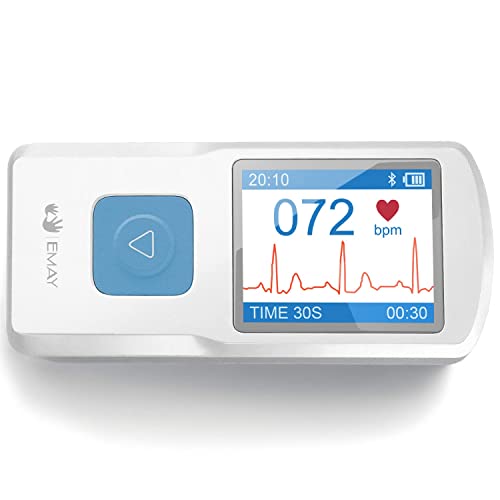
The EMAY Portable ECG Monitor records and stores Lead I ECG signals while displaying current heart rate for home health care use. It can connect to a PC via USB and to mobile devices via Bluetooth. Software for PC and mobile includes modes for sample timing, case uploads, case reviews, and measurement tracking, enabling personal health monitoring and data review with clinicians if needed.
EMAY 6L Portable ECG Monitor

The EMAY 6L model records and stores ECG signals and displays heart rate for home health care. It requires no subscription or hidden cost to use with the app. It connects to a PC via USB and to smartphones via Bluetooth, and the included software supports sample mode, time settings, case uploads, case reviews, and measurements for comprehensive monitoring.
Monerr Portable ECG Monitor

Monerr’s device records and stores Lead I ECG signals and displays heart health data for home health care. It is not a substitute for hospital-grade ECG devices and is not recommended for users with implanted pacemakers. The device includes a built-in rechargeable lithium battery and can connect to phones via Bluetooth for iOS and Android, enabling data sharing with healthcare providers. It tracks heart rate and other key metrics, offering quick 30-second insights.
OVIIN Portable Heart Rate Monitor

OVIIN offers a fast 30-second heart rate measurement using multiple methods (hand, ankle, chest) for flexible placement. It’s designed for quick, convenient use with no complex setup—place your fingers on the sensors to obtain a reading. The device streams data to its app for ongoing tracking and easy sharing with a doctor or caregiver, supporting proactive health management.
HaSoCare EKG Monitor Device

HaSoCare’s EKG monitor records professional ECG data with a ready-to-use LCD screen and storage. It supports multiple monitoring modes (Hand to Hand, Hand to Chest, Hand to Leg) for a fuller view of heart activity. It is compatible with both mobile phones and computers, with data transfer via Bluetooth or USB. The device provides quick 30-second results and enables easy data sharing with family or doctors for professional guidance.
Buying Guide: Key Purchase Considerations
When choosing a portable heart rate monitoring device, consider the following:
- Purpose and use case: Home wellness tracking vs. medical monitoring. Devices with multi-lead ECG or additional metrics may provide deeper insights for clinical use, while simpler single-lead units may suffice for routine checks.
- Lead configuration and data depth: One-lead ECGs are common for quick readings; multi-lead models (like 6L) provide more comprehensive data but may be more complex to operate.
- Connectivity and data sharing: Bluetooth and USB options enable easy syncing with smartphones, tablets, or PCs. Check if the accompanying app supports data export or sharing with clinicians.
- Subscription and costs: Some devices require ongoing app subscriptions for full features, while others offer free usage with optional paid upgrades. Review terms before purchase.
- Battery life and portability: Built-in rechargeable batteries and compact form factors improve usability for travel or daily wear.
- Safety and accuracy: Look for devices that have credible, user-friendly guidance on interpretation and disclaimers about not replacing professional medical devices for diagnosis.
- Compatibility: Ensure compatibility with your iOS or Android device, PC operating system, and Bluetooth standards to avoid connection issues.
- Storage and data retention: Devices that save data locally and in the cloud can help you track trends over time, which is valuable for long-term monitoring.
- Privacy and data security: Review how your health data is stored, encrypted, and shared to protect personal information.
Comparison at a Glance
- EMAY Portable ECG Monitor: Versatile single-lead ECG, Bluetooth and USB, home health tracking.
- EMAY 6L Portable ECG Monitor: Six-channel ECG option, no subscription, USB and Bluetooth connectivity.
- Monerr Portable ECG Monitor: One-lead ECG with broad data storage and Bluetooth mobile sharing.
- OVIIN Portable Heart Rate Monitor: Fast 30-second measurements, multiple placement options, app-based tracking.
- HaSoCare EKG Monitor: Medical-grade ECG data, multiple monitoring modes, cross-device compatibility.