Choosing a flexible, no-contract mobile plan can simplify staying connected across the United States. This article compares top prepaid SIM and eSIM options, highlighting activation options, plan ranges, and device compatibility to help you pick the right fit for smartphones, tablets, and IoT devices alike.
Product comparison at a glance
| Product | Connectivity | SIM Type | Starting Plans | Notes |
|---|---|---|---|---|
| SpeedTalk Mobile Starter Kit | 5G/4G LTE | 3-in-1 SIM + eSIM | From $5/mo | No contract; supports Apple, Google, Samsung devices |
| Tello Mobile | 4G LTE/5G | 3-in-1 SIM | From $5/mo | BYO phone; easy activation online |
| Simple Mobile | 4G LTE/5G | 3-in-1 SIM | Plans sold separately | BYO device friendly; network options vary |
| SpeedTalk Data Only | 5G/4G LTE | Triple-cut 3-in-1 SIM | 2GB for 30 days | Data-only, IoT/ hotspots ready |
| T-Mobile 2-Pack SIM | GSM networks | 3-in-1 SIM | Starter plans availability | Unactivated starter kit; postpaid options also |
Across these options, users typically gain flexibility to bring their own devices, switch plans as needs change, and avoid long-term commitments. The following sections cover five standout products, with key features and practical usage notes.
SpeedTalk Mobile Pre-Paid eSIM and SIM Card Starter Kit

The SpeedTalk Starter Kit enables activation on unlocked devices such as Apple iPhone, Google Pixel, and Samsung smartphones. It includes a 3-in-1 SIM card (standard, micro, nano) and supports eSIM activation on compatible devices. Plans start at $5 per month with unlimited-style options at higher tiers, and there are no long-term contracts—customers can cancel anytime. The activation process is straightforward and can be completed in minutes, with management of lines available online. This kit emphasizes compatibility and quick setup for users who want a flexible, pay-as-you-go approach.
Key considerations: verify device compatibility with the official device chart, understand the plan chart for smartphone compatibility, and confirm coverage in your area. The option to switch to eSIM on supported devices adds later flexibility for devices that support eSIM technology. This product is suitable for travelers, temporary coverage during transitions, or households needing multiple lines without a heavy commitment.
Tello Mobile – US Prepaid SIM Card (3 in 1)
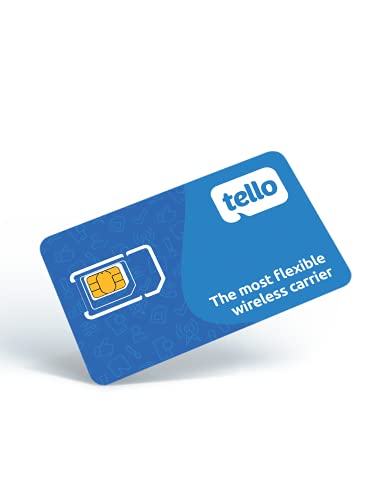
The Tello SIM kit provides a universal 3-in-1 SIM (nano, micro, standard) designed for easy use with BYO phones or Tello-branded devices. Plans range from $5 to $25 per month, giving users a clear ladder from budget to higher data allowances. Activation is web-based, and number porting to Tello requires completing the activation steps on their site. As with most prepaid services, coverage and speeds depend on regional network availability, but Tello emphasizes straightforward activation and flexible plan options for diverse user needs.
Practical notes: check your device’s compatibility via the Tello site, confirm whether you plan to bring a number or obtain a new one, and review any separate plan requirements. This option is well-suited for individuals seeking a simple BYO-phone experience without lengthy commitments and with scalable data access.
Simple Mobile Bring Your Own Phone Prepaid SIM Kit
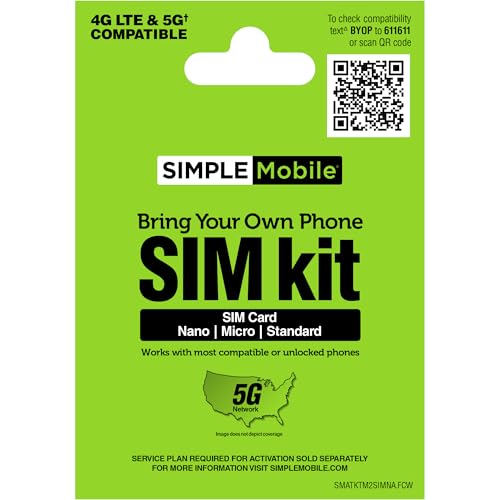
The Simple Mobile kit includes 3-in-1 SIM cards to fit Nano, Micro, and Standard devices, with a choice between CDMA or GSM options depending on network compatibility. It supports 4G LTE and 5G networks, with service plans sold separately. This arrangement lets customers pair compatible devices with Simple Mobile networks and receive straightforward preparation for cellular service without paying upfront for a plan. The kit is particularly useful for those who already own a compatible device and want to explore network options without a fixed agreement.
Considerations: confirm whether your device requires a particular network type (CDMA vs GSM), verify 5G readiness, and plan activation steps. If you prefer flexibility and device neutrality, Simple Mobile’s 3-in-1 kit can be a practical option for casual users and those testing multiple networks before committing to a plan.
SpeedTalk Mobile SIM Card Starter Kit

This SpeedTalk SIM kit emphasizes versatility for a broad ecosystem—phones, GPS trackers, and IoT devices—featuring a 3-in-1 SIM card and the option to activate an eSIM on compatible Apple, Google, and Samsung devices. Plans begin at $5 per month with data, voice, and text options designed for a wide array of devices. The kit is positioned for users who need a universal SIM that can adapt to new devices over time, combined with the flexibility to add eSIM support when devices permit.
Usage guidance: review device compatibility charts, decide between physical SIM and eSIM activations, and consider whether a particular device in your inventory (phone, tablet, or IoT) benefits from the SpeedTalk ecosystem. This kit is a solid choice for tech-savvy users who rotate devices frequently or want consolidated SIM options across multiple devices.
SpeedTalk Data Only SIM Card Prepaid USA Coverage

This data-only SIM card focuses on high-speed 5G/4G LTE data for 30 days with 2GB included. It is ideal for hotspots, IoT devices, GPS trackers, and other data-forward devices that do not require voice or text services. The kit is triple-cut to fit Standard, Micro, and Nano slots, ensuring broad compatibility with a wide range of devices. Nationwide coverage ensures useful connectivity for projects like remote monitoring or mobile routers, while data-centric plans keep ongoing costs predictable.
Considerations: data-only usage means you’ll need separate voice/text plans if those services are required later. Evaluate whether your device needs data-only, the expected data consumption, and whether your use case benefits from a short-term data allocation rather than a long-term plan. This option is particularly suitable for IoT deployments or home/vehicle setups that rely on data connectivity without voice needs.
(2 Pack) T-Mobile SIM Card Micro/Nano/Standard GSM 4G/3G/2G Starter Kit
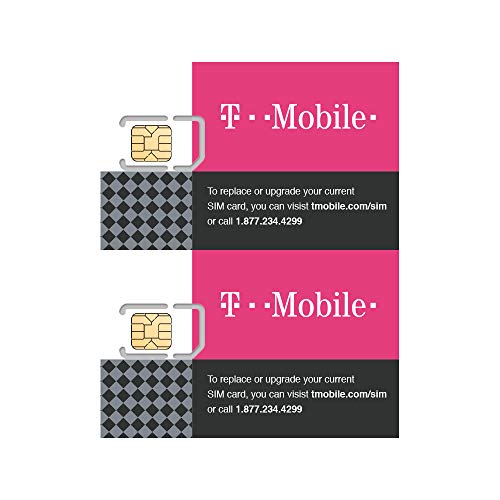
This two-pack starter kit offers a universal 3-in-1 SIM for GSM devices across 3G/4G/4G LTE networks. The package is unactivated and designed to pair with postpaid or prepaid services, providing quick hardware readiness for immediate service activation. It is well-suited for users who want the flexibility to activate across multiple devices or to gift a ready-to-use SIM kit to someone setting up service.
Key points: triple-cut design to fit standard SIM slots, broad GSM compatibility, and the potential to be used with postpaid arrangements as needed. For those who value low-friction setup and device flexibility, this starter kit provides a straightforward gateway to GSM-based prepaid or postpaid plans.
Buying Guide: key considerations for choosing a prepaid SIM or eSIM
- Device compatibility: Check whether your phone supports 2G/3G/4G/5G, and confirm if the kit supports your device’s SIM size (nano, micro, standard) or if eSIM is needed.
- Plan flexibility: Look for no-contract options, monthly plans with scalable data, and easy online management to add or remove lines as your needs change.
- Coverage and network quality: Evaluate regional coverage maps and carrier networks to ensure reliable service where you live and travel.
- Activation and portability: Confirm how easy it is to activate, whether you can bring your own number, and if number portability is supported.
- Data versus voice: For IoT or hotspot use, data-only plans can be cost-effective. If phone service is required, prioritize voice/text-enabled plans or SIM kits that support both.
- eSIM readiness: If you want future-proofing, prefer devices that support eSIM and kits that enable easy eSIM activation alongside physical SIMs.
- Device rotation: If you own multiple devices (phones, tablets, trackers), a 3-in-1 SIM solution simplifies kit management and compatibility across devices.
- Activation costs and renewal terms: Consider any activation fees, renewal schedules, and whether plans renew automatically or require manual reactivation.
In summary, prepaid SIM and eSIM kits offer flexibility, device compatibility, and the freedom to manage connectivity without long-term contracts. The options highlighted here cover from data-centric IoT applications to multi-line smartphone usage, making it easier to tailor a plan to your specific needs and devices.