When protecting your vehicle, a reliable microwave sensor car alarm adds a discreet, powerful layer of security. This guide compares top options that use microwave or proximity sensing to detect intruders, alert you, and deter theft. Each product below highlights key features, installation notes, and what makes it a strong choice for modern cars, motorcycles, and trucks. Use the comparison table to quickly scan capabilities before diving into in-depth product profiles.
| Product | Brand | Sensor Type | Best For |
|---|---|---|---|
| BANVIE Car Alarm System | BANVIE | Microwave + Shock | All-around protection with keyless entry |
| Code Alarm MV3 | Code Alarm | Dual Zone Microwave | Vehicle intrusion detection |
| EASYGUARD EC202 | EASYGUARD | Microwave + Proximity | 2-way remote with LCD pager |
| ELECTOP 120dB Car Alarm | ELECTOP | Motion Sensor + Sound | High-siren security and strobe |
| Blind Spot Detection System (BSD) | lvifloae | 24GHz Microwave | Rear blind-spot warning and alerts |
BANVIE Car Alarm System With Microwave Sensor And Shock Sensor
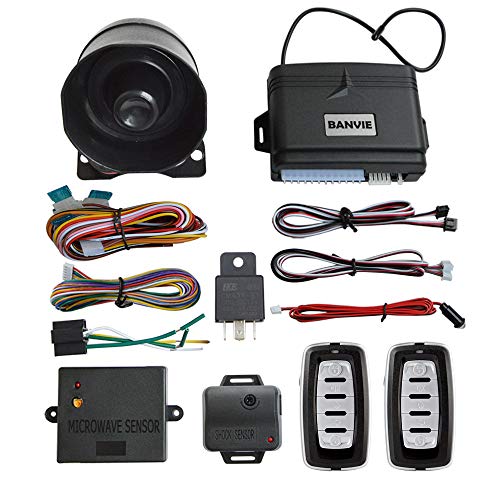
The BANVIE system is designed for most DC 12V cars, excluding older petrol models. It combines a microwave sensor with a shock sensor to trigger 110 dB siren alarms and optional silent modes. The remote controller features a zinc alloy frame with responsive buttons for reliable operation. Keyless entry offers typical controls such as lock/unlock, car finding, trunk release, and lighting cues. This setup supports a reset to silent mode, which can be valuable in shared or urban parking environments. The kit emphasizes universal compatibility and daytime deterrence.
Code Alarm MV3 Dual Zone Microwave Sensor

The Code Alarm MV3 stands out for dual-zone microwave sensing, offering a robust intrusion detection framework for vehicles. It emphasizes reliability in detecting moving objects within the vehicle, helping reduce false alarms while maintaining prompt alerts when entry is attempted. This model is suitable for users seeking a focused sensor approach with straightforward alerting. While it emphasizes detection performance, compatibility with remote features or additional modules may vary by installation and vehicle type.
EASYGUARD EC202 2-Way Alarm With LCD Pager And Microwave Sensor

The EASYGUARD EC202 combines 2-way communication with an LCD pager and a microwave proximity sensor. It enables remote engine start and timer-based operation, offering continuous vehicle status feedback. The proximity sensing adds a layer of security by detecting unauthorized access before a break-in occurs. Users should consider installation requirements for the pager’s range and whether the vehicle’s electrical system supports remote start features. This model is well-suited for owners who value constant monitoring and remote control convenience.
EASYGUARD EM212 Motorcycle Alarm With Microwave And LCD Pager

The EASYGUARD EM212 is a 2-way motorcycle alarm featuring built-in shock and microwave sensors, plus an LCD pager display. It enables real-time 24/7 monitoring of a motorcycle’s security state and offers an optional remote engine start. Some newer bikes may require additional relays or bypass modules. The remote operates on rechargeable or replaceable AAA batteries, with the option for non-rechargeable configurations. This model targets riders who need reliable, portable protection with accessible status updates.
Generic 1Pc Car Microwave Sensor Security System

This entry is a generic, do-it-yourself option offering a DC 12V/DC 24V compatibility. While it may require user customization, it serves as a flexible base for installers and hobbyists seeking a microwave-based detection solution. Features emphasize electrical customization and basic integration capabilities, making it a candidate for projects where a tailored security footprint is preferred.
Blind Spot Detection System With 24GHz Microwave

The lvifloae BSD system focuses on rear blind-spot monitoring using dual 24GHz microwave sensors. While it functions as a lane-change warning tool, the dual-detection approach helps drivers track vehicles in blind spots, with LED indicators and audible alerts for critical changes. This setup can complement a vehicle’s security by enhancing situational awareness and preventing collisions during lane changes.
Buying Guide: Key Purchase Considerations And Comparisons
To choose the right microwave-based car alarm or sensor system, consider these factors:
- Sensor coverage and type: Microwave sensors come in single or dual-zone configurations. Dual zones can improve intrusion detection for larger vehicles or complex interiors.
- Vehicle compatibility: Some alarms are built for 12V DC systems and may exclude older vehicles. Check ignition, wiring, and compatibility with keyless entry modules.
- Alerts and remote control: Decide between 2-way remotes or LCD pagers, and whether remote start is essential for you. Consider battery type and replacement needs.
- Siren and deterrence: High-decibel sirens and strobe lights increase deterrence. Some models offer silent modes or configurable alert levels.
- False alarm management: Look for intelligent algorithms or smart sensors that filter stationary objects to minimize false alarms in busy areas.
- Installation complexity: Some products require professional installation or additional modules (relay, bypass) for motorcycles or newer vehicles.
- Maintenance and support: Consider warranty coverage, availability of replacement parts, and user-friendly installation guides.
- Complementary systems: Pairing a microwave sensor with blind-spot monitoring or shock sensors can provide layered protection beyond intrusion detection.
Across these options, the best fit depends on your vehicle type, parking environment, and how you prefer to receive alerts. For cars, a combined microwave and shock sensor with keyless entry offers strong deterrence and convenience. For motorcycles, a compact two-way alarm with a pager ensures quick status updates on the go. When lane-change safety matters, a 24GHz BSD setup supplements driving awareness with precise visual and audible alerts. Always verify compatibility with your vehicle’s electrical system and consider professional installation for best results.