Finding the right counterweight for a mic stand boom can improve balance, stability, and overall mic placement. This guide reviews five reliable counterweights and related boom arms to help you choose the best fit for studio or stage use. Read on for objective specs, benefits, and practical buying tips.
| Product | Brand | Key Benefit |
|---|---|---|
| On-Stage Counterweight (CW-3) | OnStage | 2.5 lb balance; secure nylon-tipped set screw |
| OnStage Cw-6 6Lb. Counterweight | OnStage | Heavyweight balance for larger booms |
| Manfrotto 172 3 lbs Counterweight | Manfrotto | Compact 3 lb counterweight for precise balance |
| Ultimate Support BOOMPRO-TB | Ultimate Support | Four degrees of freedom; StableLock lever; heavy-duty counterweight |
| Gator Frameworks Adjustable Angled Mini Boom Arm | Gator Frameworks | 9” boom with 270° angle adjustment; secure locking |
On-Stage Counterweight CW-3 for Stable Miking

The CW-3 offers a compact 2.5 lb counterweight designed to offset mic or boom weight for improved stand balance. It boosts stability when mounted on the main shaft or tripod legs and includes a nylon-tipped set screw that grips the boom securely without damaging finish. This makes it suitable for studio setups with lighter mics or tighter rigs where precise balance is critical.
On-Stage Cw-6 6Lb. Counterweight

The CW-6 weighs 6 pounds and is designed to balance stands and booms with shafts up to 7/8″. Its nylon-tipped screw grips the shaft securely, helping offset heavier microphones or offsets on booms. This counterweight is ideal when you need extra stabilization for heavier equipment or longer boom configurations without compromising grip or finish.
Manfrotto 172 3 lbs Counterweight with 2942 Mini Boom
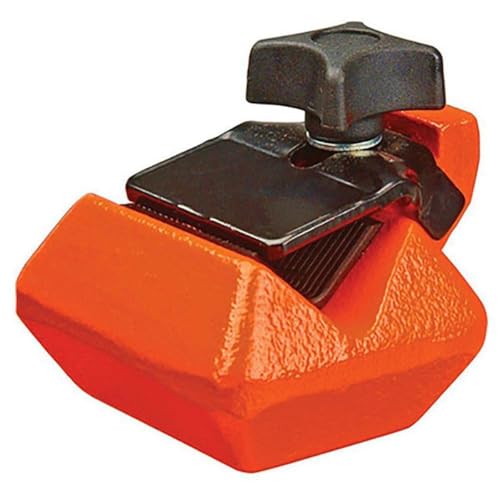
The Manfrotto 172 Counter Balance Weight provides a compact 3 lb option to balance mics on stands with compatible shafts. This weight is part of a modular system that integrates smoothly with the 2942 mini boom, delivering reliable balance for mid-sized mics in both studio and live settings. It emphasizes clean grip and stable hold without over-tightening or marring finishes.
Ultimate Support BOOMPRO-TB Telescoping Mic Boom Arm

The BOOMPRO-TB offers four degrees of freedom for versatile mic placement, along with a patented StableLock lever to secure the position. A heavy-duty counterweight provides essential balance for stable microphone placement across a range of heights. This combination is useful for broadcasters and performers who require precise, reliable positioning in demanding environments.
Gator Frameworks Angled Mini Boom Arm

This adjustable mini boom arm features a 9″ boom with 270° angle adjustment, enabling precise mic positioning in tight spaces. Its interlocking teeth ensure a secure hold at the desired angle, and standard 5/8″-27 mic stand threads attach to most stands, with compatible threads at the boom end. It’s well-suited for compact rigs and studio desks where space is a premium.
Gator Frameworks 27-Inch Boom Arm with Counterweight

The 27-inch telescoping boom arm includes a 2.5 lb counterweight for balanced extension. This setup supports stable mic placement over longer reach, with easy adjustment for studio or stage environments. It’s ideal when you need extended reach without sacrificing balance or stability in the boom’s mid-span area.
Buying Guide: Key Considerations for Mic Stand Boom Counterweights
- Weight and balance range: Choose a counterweight that matches your mic’s weight and the anticipated boom length. Lighter setups benefit from 2–3 lb weights, while heavier mics or longer booms may require 5–6 lb options or a dedicated heavier counterweight.
- Shaft and attachment compatibility: Confirm the shaft diameter and thread size (commonly 5/8″-27) on your stand. Counterweights must securely grip shafts without marring finishes.
- Locking and grip: Look for secure locking mechanisms, such as nylon-tipped set screws or screw grips, to prevent slippage during use while protecting stand finishes.
- Boom arm compatibility: If adding a boom arm, ensure the counterweight works with the arm’s balance requirements. Some arms have integrated counterweights, while others rely on separate weights.
- Adjustability: For versatile setups, consider booms with adjustable reach and angle. Four degrees of freedom or 270° adjustments help position the microphone precisely in tight spaces.
- Stability under movement: In live environments, stability is crucial. Counterweights should minimize wobble and maintain mic position when users or performers move.
- Build quality and durability: Metallic construction with secure fittings extends life in busy studios and on stages. Check for corrosion resistance and finish-safe screws or clamps.
- Portability: If you travel or move between rooms, lighter units or compact counterweights are easier to transport without sacrificing balance.
- Cost vs. value: Balance the price against stability, durability, and compatibility with your existing stands and booms. A slightly higher upfront cost often yields better long-term stability.
These factors help you compare options objectively. The selected products here cover a range of weights, from lighter CW-3 style weights to heavier counterweights and compatible mini booms. When choosing, align your mic weight, boom length, and stand compatibility to maximize balance, reduce fatigue, and maintain precise microphone positioning during performances or broadcasts.