In today’s fast-paced digital world, a reliable USB flash drive is essential for quick file transfers, backups, and portable storage. The latest models mix high-speed USB interfaces, sturdy builds, and generous capacities to meet everyday needs—from casual file transfers to on-the-go media libraries. This guide highlights five top options to consider, with careful attention to performance, durability, and value for American consumers.
Product overview at a glance (no prices):
| Product | Brand | Capacity | Key Feature |
|---|---|---|---|
| BAR Plus 128GB | Samsung | 128 GB | High-speed USB 3.1 up to 300 MB/s; rugged metal housing |
| Ultra Flair 128GB | SanDisk | 128 GB | USB 3.0 up to 150 MB/s; fast movie transfers |
| 256GB Ultra Fast | Amazon Basics | 256 GB | USB 3.1; large capacity for media and backups |
| 128GB Ultra Fast | Amazon Basics | 128 GB | USB 3.1; versatile everyday storage |
| 64GB Bootable USB | WHITRON | 64 GB | Bootable Windows installer; broad Windows compatibility |
Samsung BAR Plus 128GB USB 3.1 Flash Drive
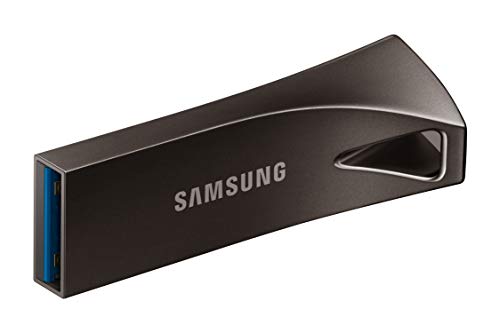
The Samsung BAR Plus offers read speeds up to 300 MB/s under USB 3.1, enabling rapid transfers and quick sharing of large files like 4K videos or photo libraries. The metal casing provides a sturdy build with a sleek, understated look, and an integrated keyring helps prevent misplacement. The drive is designed to endure water, shock, temperature, magnetism, and X-ray exposure, backed by a five-year warranty for long-term reliability. This model is ideal for users who prioritize speed and rugged durability in a compact form factor.
SanDisk Ultra Flair 128GB USB 3.0 Flash Drive

The SanDisk Ultra Flair 128GB leverages USB 3.0 performance with speeds up to 150 MB/s, delivering quick read times and faster transfers compared with USB 2.0 drives. Its black design emphasizes simplicity and portability, making it suitable for everyday use, quick backups, and media transfers. Real-world results may vary with host device capabilities and file types, but this model consistently serves as a dependable everyday flash drive with broad compatibility.
Amazon Basics 256GB Ultra Fast USB 3.1 Drive
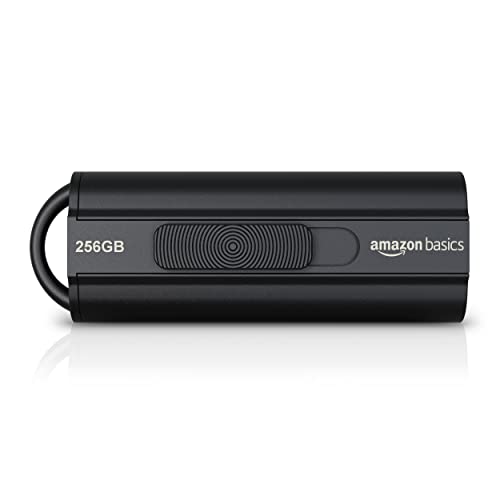
With a generous 256 GB capacity and USB 3.1 support, this Amazon Basics flash drive is designed for high-capacity data transfers and storage. Its read speeds reach up to 130 MB/s, making it practical for moving large photo libraries, videos, or music collections. The larger capacity helps reduce the need for frequent backups and is a solid all-around option for users who need substantial on-the-go storage without compromising speed.
Amazon Basics 128GB Ultra Fast USB 3.1 Drive
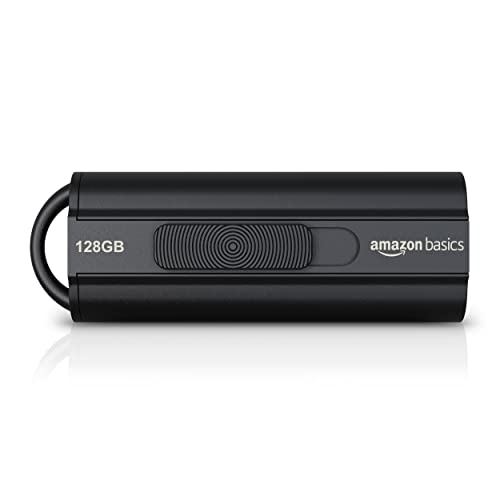
This 128 GB drive from Amazon Basics emphasizes USB 3.1 performance for rapid transfers of videos, photos, and music. The compact, convenient form factor makes it easy to carry, while the 128 GB capacity supports a broad range of personal and work files. It strikes a balance between speed and portability for everyday tasks, classroom use, or professional on-site data transfers.
FirmwareUpdate 16GB USB for PS4

While primarily marketed for PS4 system maintenance, this 16 GB USB drive functions as a compact tool for firmware updates and recovery tasks. It provides a straightforward solution for resolving software issues, performing factory resets, and applying security patches via a simple update process. Its small size favors portability, but its capacity is best suited for specific recovery needs rather than bulk data storage.
64 GB Bootable USB For Windows Installations

This WHITRON bootable flash drive is designed for Windows installations across multiple versions. It emphasizes universal compatibility with both 32-bit and 64-bit Windows 11, 10, and earlier editions. The bootable functionality simplifies OS installation or upgrade tasks and is particularly useful for IT environments, system restorations, or clean installations where a reliable boot media is essential.
Buying Guide: Key Purchase Considerations For The Latest USB Drives
- Speed and compatibility: Choose USB 3.0 or USB 3.1/3.2 drives for faster read and write speeds. Ensure your devices support the drive’s interface to realize the maximum transfer rate.
- Capacity vs. use case: Higher capacities (64–256 GB) suit media libraries and backups, while smaller drives (16–64 GB) excel for OS installations or portable tools. Balance your typical file sizes with budget.
- Durability and design: Metal enclosures and rugged builds help protect data from shocks, water, and temperature changes. For frequent travel, look for keyring attachments or compact form factors.
- Security and reliability: Some drives offer hardware encryption or robust warranties. Consider models with longer warranties for peace of mind with critical data.
- Bootable vs. standard storage: If you need operating system installations or recovery tools, a bootable USB is essential. For everyday storage, a standard flash drive is typically sufficient.
- Brand ecosystem and support: Reputable brands with clear warranty terms and broad compatibility reduce the risk of compatibility issues across Windows and macOS ecosystems.
- File system and OS considerations: Ensure the drive is preformatted or easily reformattable to your preferred file system (FAT32, exFAT, NTFS). Some large-capacity drives are optimized for exFAT for cross-platform use.
Whether you need fast data transfers, substantial storage, or bootable utilities, selecting a USB flash drive that aligns with your workflow helps save time and reduces data handling friction. The models above provide a mix of speed, durability, and capacity to meet common American usage patterns—from students and professionals to home media enthusiasts.