Rechargeable batteries promise long-term savings and less waste, but are they truly worth the upfront cost and effort? This guide weighs performance, longevity, and value across popular AA and AAA options, helping American shoppers decide when to choose rechargeables over disposables. The following selected products cover high-capacity cells, fast charging, and pack sizes for household devices, cameras, gaming gear, and smart home gadgets. A quick reference table is included below to compare core features at a glance.
| Product | Type | Capacity | Pack Size | Notable Perk |
|---|---|---|---|---|
| HIVEVOLT Rechargeable AA Batteries with Charger | AA Ni-MH | 2800mAh | 4-Pack | Charger with repair capability |
| Energizer Power Plus Rechargeable AA Batteries | AA Ni-MH | — | 4-Pack | Long lifespan up to 12 years |
| Mupoer Rechargeable AA Batteries Lithium with Charger | AA Lithium | 3000mWh (approx) | 8-Pack | High energy density with activation feature |
| Energizer Recharge Pro Battery Charger Kit | AA/AAA with charger | NiMH AA included | 4-Pack + Charger | Full charge in 3 hours |
| POWEROWL AA Rechargeable Batteries | AA Ni-MH | 2800mAh | 16-Pack | Excellent value per cell |
HIVEVOLT 4-Pack AA Rechargeable Batteries

The HIVEVOLT kit includes four AA Ni-MH cells with a four-slot charger. Each cell is rated at 2800mAh, designed for high-drain devices like cameras, game controllers, and smart-home hubs. The charger also offers a repair function to revive deeply discharged or damaged batteries, potentially extending overall battery life and reducing waste. This bundle targets households that frequently replace AA batteries across multiple devices.
Energizer Power Plus AA Batteries (4 Pack)

Energizer’s Power Plus AA batteries come in a four-pack with an emphasis on longevity, offering up to a 12-year shelf and cycle life. These Ni-MH cells are designed for long-term use in everyday devices and are commonly paired with compatible Energizer chargers. They are a straightforward option for households seeking dependable, widely supported rechargeables without extra frills.
Mupoer Rechargeable AA Lithium with Charger

The Mupoer kit uses lithium-based AA cells with an integrated charging/storage box. This setup claims higher voltage and capacity (1.5V/3000mWh range) suitable for high-drain devices like gaming consoles and certain cameras. A notable feature is a 2500-cycle life and a direct refresh capability when a battery dips to 0V, which can reduce waste and downtime. Note: Compatibility is specific to the included charger and lithium cells—mixing with other brands is not advised.
Energizer Recharge Pro Charger Kit

The Energizer Recharge Pro bundle includes a four-slot charger and four NiMH AA batteries. This kit emphasizes speed, delivering a full charge in about three hours. It’s designed for households or workplaces that frequently detain a quick turnaround on fresh batteries and want a reliable, fast-charging solution for common devices such as remotes, flashlights, and children’s electronics.
POWEROWL AA Rechargeable Batteries, 16-Pack
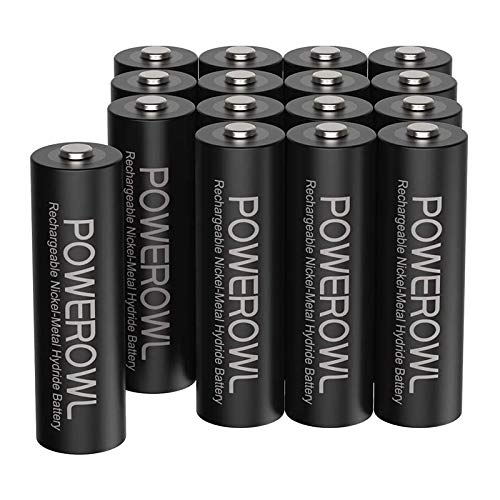
POWEROWL’s large 16-pack of AA cells provides strong value for households with frequent battery needs. With a rated capacity of 2800mAh and a long service life of up to 1200 recharge cycles, these Ni-MH batteries are designed to maintain roughly 70% power after three years of non-use. They emphasize environmental considerations and cost savings over disposables, making them a solid option for mixed-use devices and bulk users.
Buying Guide: Key Considerations When Choosing Rechargeable Batteries
- Battery chemistry and voltage: Most AA cells are Ni-MH and 1.2V, while lithium options offer higher energy density. Check compatibility with your devices if they require a specific chemistry or voltage.
- Capacity and cycle life: Higher mAh ratings generally indicate longer run time but may come at higher upfront cost. Look for expected cycle life (e.g., 1000+ recharge cycles) for true long-term value.
- Charger features: Bundled chargers should support fast charging, display status, and safety protections. Some chargers include recovery or refresh modes for deeply discharged batteries.
- Charge speed and efficiency: Fast charging saves downtime but may affect long-term battery integrity. Balance speed with overall longevity.
- Storage and usage patterns: For devices used occasionally (emergency kits), low self-discharge batteries retain charge longer, reducing waste.
- Bulk versus single packs: Families with multiple devices may benefit from bulk packs, while occasional users can start with a smaller kit to test performance.
- Brand ecosystem and warranty: Reputable brands often provide better consistency and customer support. Consider warranties if you rely on them for reprovisioning.
- Environmental impact: Rechargeables reduce waste but require proper disposal at end-of-life. Look for brands with recycling programs and clear guidelines.
Usage Scenarios and Perspectives
- Home entertainment and remotes: Moderate capacity Ni-MH AA batteries paired with a reliable charger generally perform well with long life and cost savings.
- High-drain devices: Cameras, game controllers, and smart hubs may benefit from higher-capacity AA cells or even lithium-based packs, depending on device requirements and compatibility.
- Emergency preparedness: Low self-discharge options and long-term storage performance are key, ensuring devices are ready when needed without frequent recharging.
- Budget-oriented households: Bulk packs offer significant cost-per-cell savings over disposable batteries, especially when used across multiple devices.
- Environmental considerations: Replacing disposables with rechargeables reduces waste, but end-of-life recycling is essential for responsible consumption.