For musicians and audio professionals, a reliable in-ear monitor amplifier (IEM amp) can dramatically improve stage monitoring, reduce feedback, and provide clear, controlled audio on loud gigs. This guide highlights top portable IEM amps and explains what to look for when choosing one. Each featured product comes with flexible mono/stereo modes, robust connection options, and practical battery or power features for live use.
| Product | Brand | Key Benefit |
|---|---|---|
| FZONE Upgraded In-Ear Monitor Amplifier | FZONE | Durable belt clip; dual mono/stereo; secure battery design |
| Bolanle P2 Portable In-Ear Monitor Amplifier | Bolanle | XLR/TRS with locking, flexible volume, easy battery access |
| Zenolix P2 Portable In-Ear Monitor Amplifier | Zenolix | Mono/Stereo mode; RGB volume indicator; clear sound |
| Donner EM1 Rechargeable In-Ear Monitor Amplifier | Donner | High power; XLR/TRS input; solid stereo/mono switch |
| Coda Wired In-Ear Monitor Amplifier | Coda Music Technologies | USB-C rechargeable; dual inputs; versatile mono/stereo mix |
The following sections present five carefully chosen products. Each section includes a concise description, key features reflected from the product listing, and practical guidance for choosing the right IEM amp for your setup.
FZONE Upgraded In-Ear Monitor Amplifier

The FZONE in-ear monitor amplifier emphasizes exceptional sound quality with a focus on minimizing distortion and noise. It offers a dual-mode Mono/Stereo switch to tailor monitoring to rehearsals or live performances. A redesigned battery compartment enhances durability, keeping batteries secure during movement or intensive playing. This model targets performers seeking reliable, distortion-free sound with practical on-the-go capability.
Bolanle P2 Portable In-Ear Monitor Amplifier

Bolanle’s P2 model provides a practical setup for keyboardists, drummers, and guitarists who require reliable XLR and TRS inputs with locking functionality. The top-volume knob enables easy, precise control, and the tool-free belt clip design ensures quick access to batteries. The unit delivers clear audio with a low-distortion profile, making it suitable for reliable stage monitoring and rehearsal environments.
Zenolix P2 Portable In-Ear Monitor Amplifier
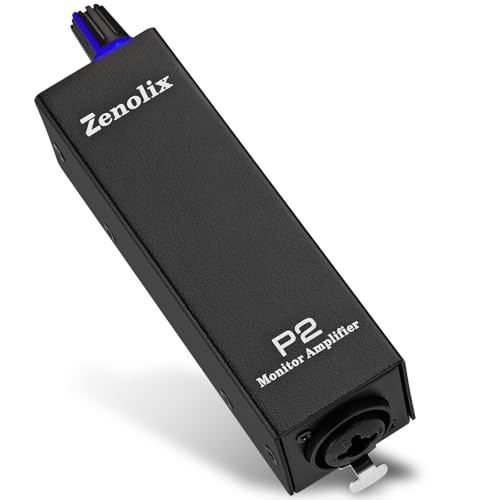
The Zenolix P2 emphasizes clear sound with minimal distortion and a distinctive RGB lighting feature around the volume knob for visibility in dark stages. It supports Mono/Stereo switching and offers versatile input options for performers—ideal for drummers, guitarists, and keyboard players who value a visual cue while adjusting levels on stage.
Donner EM1 Rechargeable Portable IEM Amplifier

The Donner EM1 targets professional personal in-ear monitoring with high power output suitable for high-impedance headphones. It features XLR/TRS inputs with a locking mechanism and a stereo/mono source switch. Its rechargeable design supports mobile use, ensuring performers do not interrupt performances due to power issues, while maintaining strong audio fidelity.
Coda Wired In-Ear Monitor Amplifier

The CODA compact wired IEM amplifier emphasizes USB-C rechargeable AAA power and flexible mono/stereo mix options. With hybrid XLR/TRS inputs, it is compatible with a wide range of audio interfaces and mixers. The unit supports dual inputs and features an accessible top-mounted control for quick on-stage adjustments, making it suitable for musicians needing reliable, portable monitoring on the go.
Buying Guide: Key Purchase Considerations
- Input and output options: Look for XLR/TRS compatibility or direct 3.5mm outputs to match your gear. Dual inputs and locking connectors reduce signal drop during performance.
- Power and battery life: Evaluate whether the unit uses rechargeable batteries, USB-C charging, or standard batteries. A secure belt clip and accessible battery compartment are essential for live settings.
- Mono vs. stereo operation: Mono mode is useful when focusing on a single instrument or vocal monitor, while stereo mode provides a wider mix. The ability to switch quickly on stage is valuable.
- Sound fidelity and distortion: Prioritize models that advertise low distortion and clear audio, especially at higher volumes to avoid listener fatigue during long sets.
- Durability and form factor: A compact, rugged build with secure battery compartments and reliable clips minimizes disruptions during performances.
- Visual and usability features: Some units offer helpful indicators (like RGB volume lighting) or intuitive top-mounted controls, aiding quick adjustments in low-light environments.
- Compatibility with personal monitoring needs: If you require precise mix control (more me), ensure the device supports mono, dual mono, or stereo multi-channel configurations.
- Portability for rehearsals and gigs: Consider weight, belt-clip design, and battery options if you move between stage and practice spaces frequently.
- Maintenance and accessories: Check whether the product includes a USB-C cable, spare batteries, or a protective case, as these additions improve long-term usability.
When choosing an in-ear monitor amplifier, consider your typical performance environment, preferred monitoring mix, and power options. A model with robust input versatility, reliable power, and clear sound will support consistent monitoring across rehearsals, studio work, and live performances. The five options covered above reflect a range of practical approaches for performers from guitarists to drummers seeking dependable on-stage monitoring.