Choosing an FM transmitter dipole antenna is essential for stable coverage and clear sound from 87 to 108 MHz. This guide highlights five top outdoor and indoor dipole antennas designed for 0.5W to 350W FM transmitters. Each choice balances low VSWR, durable construction, and easy installation, helping you optimize signal reach in varying environments.
Summary of chosen products:
| Product | Brand | Frequency Range | Key Benefit |
|---|---|---|---|
| FMUSER DP200 150W Dipole Antenna | fmuser | 88-108 MHz | Adjustable for extremely low VSWR; outdoor durability |
| SignalPlus Outdoor FM Broadcast Antenna | SIGNALPLUS | 88-108 MHz | High wattage with sturdy mounting and easy install |
| FMUSER CP200 350W Dipole Antenna | fmuser | 87-108 MHz | Cross-dipole design with circular polarization |
| FMUSER GP100 1/4 Wave Antenna | fmuser | 87-108 MHz | Low-angle omnidirectional radiation; durable and waterproof |
| HzFitInc GP100 1/4 Wave Antenna | HzFitInc | 87-108 MHz | High gain and true 360° coverage for outdoor use |
FMUSER DP200 150W Dipole Antenna

The FMUSER DP200 is a half-wave dipole antenna that can be tuned to achieve very low VSWR across the 88-108 MHz range by adjusting oscillator length. This capability reduces transmitter stress and improves reliability. The antenna is built from corrosion-resistant aluminum alloy, making it suitable for outdoor use and harsh weather conditions. Its dipole design is a classic choice for RF transmission and reception, delivering dependable performance for small to mid-size FM setups.
SignalPlus Outdoor FM Broadcast Antenna
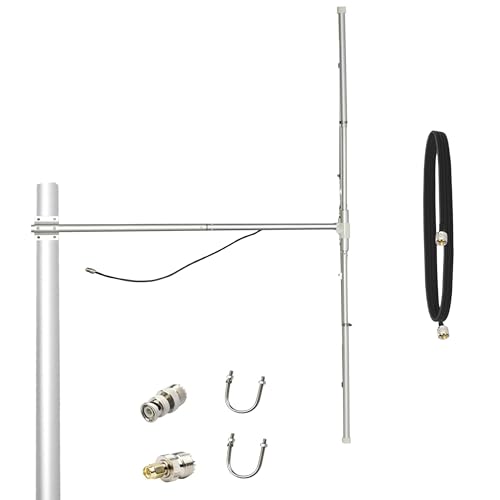
The SignalPlus FM dipole is designed for 88-108 MHz operation with a 150W maximum input and a 2.5 dBi gain. It includes mounting hardware for straightforward outdoor installation and is compatible with 0.5W-150W FM transmitters. The design emphasizes broad reception and robust outdoor performance, providing reliable amplification of broadcasts and clear reception even at the edge of coverage areas.
FMUSER CP200 350W Dipole Antenna

The CP200 features cross-dipole architecture with circular radiation, enabling both vertical and horizontal polarization. This enhances coverage and signal reliability, particularly in urban environments where multipath can affect reception. It uses durable aluminum alloy construction with a waterproof design to withstand outdoor exposure, aligning with professional broadcasting requirements for steady operation across frequencies within 87-108 MHz.
FMUSER GP100 1/4 Wave Antenna

The GP100 is a 1/4 wave ground plane antenna designed for 87-108 MHz, with a waterproof aluminum alloy build and included 26-foot TNC/BNC cable. It offers extremely low VSWR, supporting stable transmitter operation and reliable signal transmission. Its omnidirectional low-angle radiation pattern ensures wide-area coverage, making it well-suited for small FM stations or installations with shorter masts.
HzFitInc GP100 1/4 Wave Antenna

The HzFitInc GP100 is a professional outdoor FM antenna with 1/4-wave design and 3 dBi gain. It emphasizes true 360° omnidirectional radiation for consistent coverage, especially in outdoor settings. The product highlights low VSWR for stable operation and a rugged build suitable for professional use, making it a solid option for broadcasters needing reliable daytime and nighttime performance.
Buying Guide: Key Purchase Considerations
When selecting an FM transmitter dipole antenna, consider these factors to optimize performance and value:
- Frequency range and VSWR: Ensure the antenna covers 87-108 MHz with low VSWR across the band to minimize transmitter stress.
- Power handling: Match the antenna’s maximum input power with your transmitter output to avoid overheating or damage.
- Radiation pattern: Choose omnidirectional antennas for uniform coverage or directional variants if you need focused reach in a specific direction.
- Polarization: Circular vs. linear polarization affects reception in urban multipath environments; cross-dipole designs offer flexibility.
- Mounting and weather rating: Outdoor installations benefit from corrosion-resistant materials, waterproof connectors, and included mounting hardware.
- Cable length and connectors: Ensure compatibility with your existing cabling (TNC/BNC) and provide adequate length to reach the transmitter and feed line.
- Physical footprint: Consider mast height, space availability, and wind loading in outdoor deployments.
- Maintenance: Look for durable materials and weatherproof design to reduce ongoing maintenance needs.
For broadcast applications, it is prudent to balance performance with installation practicality. Cross-dipole and circular polarization antennas can offer improved coverage in congested urban areas, while omnidirectional ground-plane designs excel on smaller masts or rooftops. Accurate positioning, grounding, and secure mounting are essential for reducing multipath interference and ensuring consistent transmission quality.