Choosing the right rosin-core solder is essential for durable electrical connections and clean solder joints. This guide highlights five top options, focusing on 63/37 tin-lead and 60/40 mixes, rosin core formulations, and suitable diameters for common electronics tasks. Each product emphasizes smooth flow, reliable joints, and manageable melting points to suit DIY repairs, hobby builds, and professional work alike.
Summary of chosen products
- MAIYUM 63-37 Tin Lead Rosin Core Solder Wire, 0.8 mm, 50 g
- TOWOT 63-37 High Purity Tin Lead Rosin Core Solder Wire, 1.0 mm, 50 g
- HGMZZQ 60/40 Tin Lead Rosin Core Solder Wire, 0.8 mm, 50 g
- Forney Rosin Core Solder, 1/16″ (1.6 mm), 4 oz
- TOWOT 63-37 High Purity Tin Lead Rosin Core Solder Wire, 0.8 mm, 100 g
MAIYUM 63-37 Tin Lead Rosin Core Solder Wire for Electrical Soldering (0.8mm 50g) Amazon
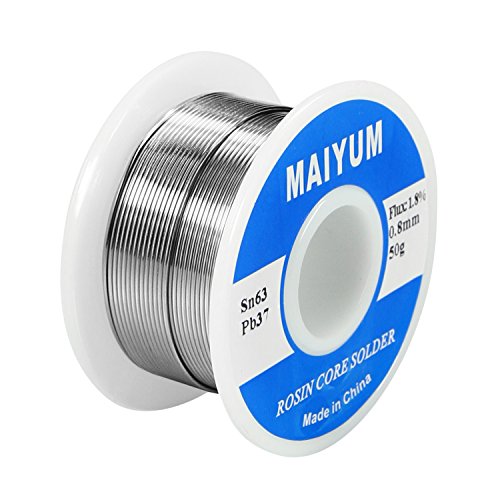
This MAIYUM solder wire uses a Sn63 Pb37 composition with a rosin core, delivering reliable electrical joints for small-to-medium soldering tasks. The wire diameter of 0.8 mm (0.0315 inch) offers a balance between precise control for fine connections and sufficient mass for quicker fills on slightly larger pads. Flux content around 1.8% supports good wetting without excessive residue. The 50 g quantity is compact for portable use, making it a practical option for field repairs and workstation projects alike.
Key considerations: Sn63 Pb37 alloys provide predictable melting behavior, with strong mechanical joints after cooling. The rosin core helps improve wetting on electrical components but may require flux removal in sensitive assemblies. This size is well-suited for hobbyists and professionals who value consistent performance in conventional through-hole and surface-mount work.
TOWOT 63-37 High Purity Tin Lead Rosin Core Solder Wire for Electrical Soldering, Content 1.8% Solder flux (1.0mm, 50g) Amazon

The TOWOT 63-37 solder wire uses Sn63 Pb37 with a rosin core and 1.8% flux content, designed for smooth flow and strong joints. The 1.0 mm diameter makes it a versatile option for a range of electronics projects, from through-hole wiring to beginner-to-intermediate SMT tasks. With 50 g of solder, it strikes a balance between portability and usable length for multiple repairs or builds.
Considerations: A slightly larger diameter can help when quicker fills are needed, reducing the number of passes on larger joints. The high-purity tin-lead composition remains a classic choice for warmth of flow and reliable solderability, though it requires standard static precautions and proper ventilation during use. This product is appropriate for those prioritizing consistent wetting and easy workability on standard electrical assemblies.
HGMZZQ 60/40 Tin Lead Solder Wire with Rosin core for Electrical Soldering 0.031 inch(0.8mm-50g) Amazon

This solder from HGMZZQ uses a classic 60/40 tin-lead ratio with a rosin core, offering a lower melting point and robust flow characteristics. The 0.8 mm diameter supports detailed work while still providing enough filler material for steady progress on small PCB connections. A flux content around 2.2% helps with reliable solder wetting and clean joints. The 50 g package is handy for both shop use and field tasks.
Why choose 60/40: It generally provides quicker wetting and a slightly broader solidification window than 63/37, which can be advantageous for beginners or for projects requiring rapid turnaround. The rosin core minimizes additional flux handling and reduces residue, though cleanup considerations remain essential in sensitive electronics.
Forney 38072 Solder Rosin Core 1/16″ (1.6 mm), 4 oz., Silver Amazon
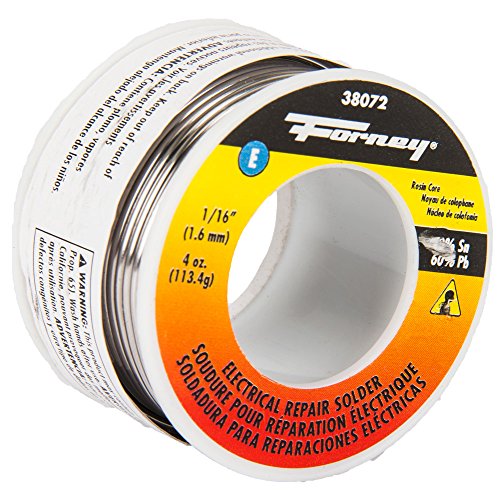
Forney’s rosin-core solder is noted for clean, non-conductive residue that helps protect electrical connections from corrosion. The 1/16″ diameter translates to 1.6 mm, suited for intermediate-to-heavy soldering on wires and larger pads. The melting point range varies with size, so this option spans different project needs—from delicate components to thicker conductor work. The 4 oz quantity is ideal for frequent users or small workshops.
Important aspects: Non-conductive residues from rosin help prevent corrosion, contributing to longer-lasting connections. Users should verify compatibility with lead-containing solders and plan for proper disposal of flux residues in accordance with safety guidelines. This option is practical for general wiring tasks and hobbyist electronics where robust joints are desired.
TOWOT 63-37 High Purity Tin Lead Rosin Core Solder Wire for Electrical Soldering, Content 1.8% Solder Flux (0.8mm, 100g) Amazon

This TOWOT option mirrors the Sn63 Pb37 alloy with rosin core flux at about 1.8%, but in a 0.8 mm diameter and a larger 100 g reel. The combination of a moderate flux percentage, efficient melting point, and compact 0.8 mm sizing makes it well-suited for precise, small-scale electronics work while still offering enough material for longer projects. The 100 g weight helps reduce frequent reel changes during extended soldering sessions.
Practical notes: The 0.8 mm diameter supports neat, controlled soldering on delicate boards. The rosin core helps with wetting, yet operators should manage flux residues according to project needs and cleanup standards. This product is a solid middle-ground choice for assemblies that require tidy joints with reliable coverage on multiple pins.
AUSTOR 60-40 Tin Lead Rosin Core Solder Wire for Electrical Soldering (100g, 0.8mm) Amazon
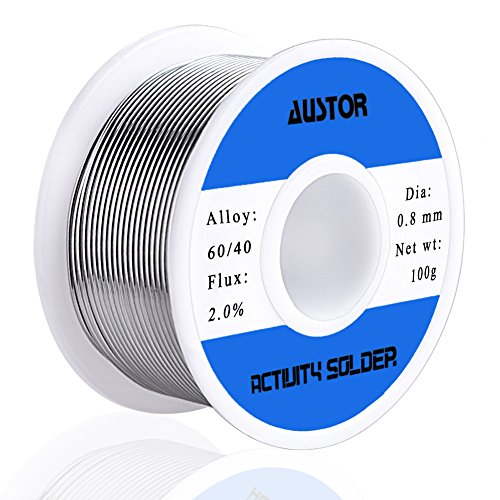
The AUSTOR option features a 60/40 Sn/Pb alloy with 2.0% flux, designed to flow evenly and heat consistently across connections. The 0.8 mm diameter and 100 g weight align with common hobbyist and professional needs, offering smooth soldering for boards and wiring. A melting point range around 185°C – 190°C helps maintain a comfortable workflow without excessive heat exposure to sensitive components.
Practical considerations: 60/40 formulations typically provide faster wetting and manageable workability for beginners and experienced users alike. The rosin core simplifies flux management for standard electrical tasks, though users should consider flux removal for layout-sensitive assemblies. This product is a versatile choice for mixed projects requiring reliable joints with moderate flux activity.
Buying Guide: Key Purchase Considerations
- Alloy composition: Sn63 Pb37 is classic for reliable joints with predictable flow; 60/40 offers slightly different wetting characteristics and a lower melting point.
- Flux content: Rosin core flux around 1.8%–2.2% supports good wetting while minimizing excessive residue. Higher flux can speed up wetting but may require more cleanup for sensitive electronics.
- Diameter and weight: 0.6–1.0 mm (0.023–0.04 in) covers a range from fine-detail work to broader fills. Choose larger diameters for easier bridging and faster soldering on larger pads.
- Package size: 50 g to 100 g reels suit both occasional repairs and regular production tasks; smaller quantities enhance portability for field work.
- Residue and cleanup: Rosin-core solders leave rosin flux residues that can be corrosive over time if not cleaned properly in sensitive devices. Consider project requirements for post-solder cleaning.
- Lead vs. lead-free: All products listed here use traditional leaded solder (SnPb). For lead-free requirements, look for SnAgCu (SAC) formulations with different melting profiles and mechanical properties.
- Storage and handling: Keep solder in a cool, dry place away from moisture to maintain consistency and prevent oxidation of the core and wire.
In choosing among these options, consider your typical project scale, board density, and whether you prioritize fastest wetting (60/40) or a more controlled, stable flow (63/37). For frequent repairs and hobby builds, a mid-range diameter (0.8–1.0 mm) often balances ease of use with precision. For delicate SMT work, a smaller diameter (0.6–0.8 mm) can provide finer control without sacrificing joint integrity.