Choosing a DOCSIS 3.0 modem with phone support can simplify your home network by combining cable internet access with voice service. This guide highlights five practical options that work well with major providers like Xfinity. Each entry covers key features, compatibility notes, and how the device fits a typical American household. Use the buying guide to compare performance, future-proofing, and the value of built-in telephone support versus separate equipment.
| Product | Brand | DOCSIS | Phone Support | Notes |
|---|---|---|---|---|
| Motorola MT7711 (24X8) Cable Modem-Two Phone Ports Router | Motorola | DOCSIS 3.0 | Yes (Xfinity Voice) | AC1900 Dual Band Wi-Fi |
| Motorola MT7711 (Renewed) | Motorola | DOCSIS 3.0 | Yes (Xfinity Voice) | 4 Gigabit Ethernet ports; energy-saving potential |
| NETGEAR CM500 Cable Modem | NETGEAR | DOCSIS 3.0 | No built-in voice | Fits with any Wi-Fi router (separate unit) |
| ARRIS SVG2482AC Surfboard | ARRIS | DOCSIS 3.0 | Yes (Xfinity Telephony) | Includes AC1750 router; 1 Gbps potential |
| Hitron CODA56 DOCSIS 3.1 Cable Modem | Hitron | DOCSIS 3.1 | No | Modem only; requires separate router |
The following sections dive into each product, highlighting capabilities, typical use cases, and essential considerations for American households seeking reliable cable internet with voice options when available.
Motorola MT7711: All‑In‑One Modem, Router, And Phone Support
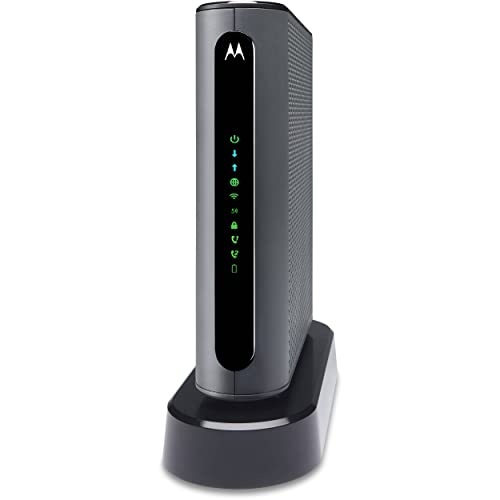
The MT7711 combines a DOCSIS 3.0 cable modem with a dual‑band AC1900 Wi‑Fi router and two telephone ports designed for Comcast Xfinity Voice. It supports high‑speed wireless coverage via three internal antennas and four Gigabit Ethernet ports for wired devices. Phone features include caller ID, call forwarding, and conference calling. It is compatible with Xfinity Internet Service and Xfinity Voice, while the phone option can be disconnected if needed. Suitable for households that want an integrated solution for internet and home phone service from Comcast.
Motorola MT7711 Renewed: Cost‑Effective Voice Modem Router
This renewed MT7711 offers the same DOCSIS 3.0 modem with AC1900 dual‑band routing and two XFINITY voice ports. It includes four Gigabit Ethernet ports and supports Xfinity Internet speeds up to 400 Mbps according to Comcast recommendations. The device is approved for Comcast Xfinity Internet and voice, but only with that service. Renewed units can provide budget‑friendly access to a combined internet and voice setup while still delivering reliable performance for typical home usage.
NETGEAR CM500: Entry‑Level DOCSIS 3.0 Modem
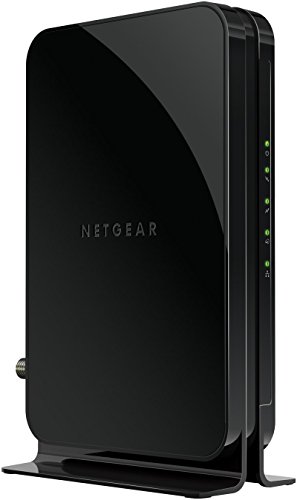
CM500 is a compact DOCSIS 3.0 modem intended for use with a separate Wi‑Fi router. It carries compatibility with major cable providers and supports speeds typical for mid‑range plans. It is ideal for users who prefer owning a modem while choosing a separate router for extended wireless coverage or specialized setups. The device can replace rental gear and is a straightforward option for households not needing built‑in phone capabilities.
ARRIS SVG2482AC Surfboard: DOCSIS 3.0, Xfinity Voice

SVG2482AC combines an 8×4 DOCSIS 3.0 modem with an AC1750 dual‑band router and Xfinity telephony support. It is approved for Comcast Affinity internet and voice services with rdKB technology for next‑gen products. Note that it may not be compatible with non‑Comcast services without additional equipment. It’s suitable for users who want an all‑in‑one device tailored to Xfinity voice and internet packages, delivering a practical balance of speed and convenience.
Hitron CODA56: DOCSIS 3.1 Modem for Cable Internet

CODA56 is a DOCSIS 3.1 modem designed for cable internet plans up to multi‑gig speeds. It is a modem‑only device, requiring a separate router to create a wireless network. Compatible with major providers like Xfinity, Spectrum, and Cox, it’s best suited for users who already own or plan to purchase a separate high‑performance router. If upgrading to DOCSIS 3.1 speeds is a priority, this model provides future‑proofing, though it can be overkill for basic plans.
Buying Guide: Key Purchase Considerations
- DOCSIS standard compatibility: If you currently subscribe to a DOCSIS 3.0 plan, a 3.0 modem with or without phone support may be sufficient. If your provider offers DOCSIS 3.1, consider 3.1 options with compatible voice features or plan for a separate router upgrade later.
- Phone service compatibility: Models like Motorola MT7711 and ARRIS SVG2482AC offer Xfinity Voice support. Verify your provider’s compatibility and whether you need the phone line as part of your home service bundle.
- VoIP vs. traditional voice: Some devices provide built‑in voice ports; others require a separate VoIP adapter or router. Decide whether you want an integrated solution or prefer modular components for future upgrades.
- Router performance and coverage: If the modem includes a built‑in router (AC1900, AC1750, etc.), assess whether that coverage fits your home size. Larger homes may benefit from a separate high‑performance router or mesh system.
- Wired vs. wireless needs: Consider how many devices you plan to connect via Ethernet and whether a Wi‑Fi 6/6E or newer router would best support streaming, gaming, and smart devices.
- Future rental savings: Some DOCSIS 3.0 devices allow you to eliminate rental fees. Compare upfront cost against monthly rental fees to calculate payback time.
- Provider compatibility and limits: Some DOCSIS 3.0/3.1 devices are optimized for specific providers (Xfinity, Spectrum, Cox). Confirm the model works with your plan and any required service activation steps.
In choosing, balance the desire for an all‑in‑one device against the flexibility of a separate router. For homes prioritizing voice service from Xfinity, models with integrated phone ports simplify setup. If voice is not needed, a DOCSIS 3.0 modem paired with a strong router may offer better performance and upgrade flexibility.