Choosing the right DDR4 2666MHz memory can boost system responsiveness, multitasking, and overall performance. This guide highlights five reliable options from trusted brands that meet the 2666 MHz specification, covering desktop UDIMM and laptop SO-DIMM modules. Each entry includes practical details to help you match compatibility, capacity, and reliability with your setup. A concise buying guide follows to help you compare features and make an informed decision.
| Product | Type | Capacity | Form Factor | Key Benefit |
|---|---|---|---|---|
| Timetec 32GB KIT (2x16GB) DDR4 2666MHz | Desktop UDIMM | 32GB | 288-pin UDIMM | High-capacity dual-rank kit |
| A-Tech 16GB DDR4 2666MHz UDIMM | Desktop UDIMM | 16GB | 288-pin UDIMM | Easy upgrade with lifetime warranty |
| A-Tech 16GB DDR4 2666MHz SO-DIMM | Laptop SO-DIMM | 16GB | 260-pin SO-DIMM | Compact notebook memory |
| Crucial 4GB DDR4 2666MHz SODIMM | Laptop SODIMM | 4GB | 260-pin SODIMM | Budget-friendly upgrade |
| A-Tech 16GB (2x8GB) DDR4 2666MHz UDIMM | Desktop UDIMM | 16GB | 288-pin UDIMM | Dual-channel performance |
Timetec 32GB Kit (2x16GB) DDR4 2666MHz UDIMM Desktop Memory
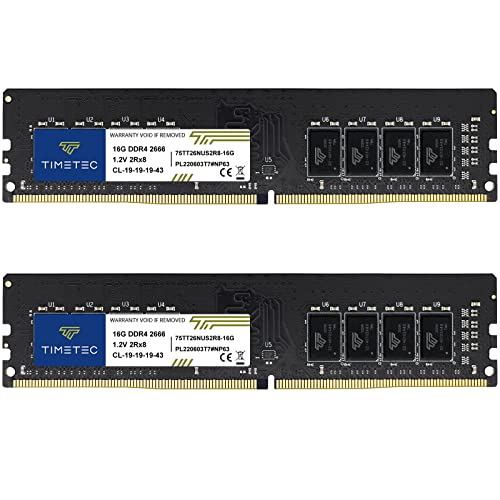
Timetec’s 32GB DDR4 2666MHz kit is designed for desktop systems requiring a substantial memory upgrade. The modules use 2Rx8 dual-rank organization and operate at 1.2V, aligning with typical desktop DDR4 voltage and performance profiles. With 288-pin UDIMM form factors, they fit most mainstream desktop motherboards that support 2666MHz memory and dual-rank configurations. The kit’s 32GB total capacity is well-suited for memory-intensive workloads, content creation, and multitasking environments. Compatibility considerations include motherboard support for 2666MHz speeds and dual-rank DIMMs, as well as BIOS updates if needed.
Key features include: DDR4 2666MHz, PC4-21300, 288-pin unbuffered non-ECC, 1.2V, CL19 timing, dual rank 2Rx8, 1024×8 data organization, and a 32GB total capacity packaged as 2x16GB modules. This kit is a solid choice for users who need large, reliable desktop memory to improve performance in workloads like video editing, 3D rendering, and heavy multitasking.
A-Tech 16GB DDR4 2666MHz UDIMM

A-Tech’s 16GB DDR4 2666MHz UDIMM is a straightforward desktop upgrade option. Built to PC4-21300 (2666MHz) specifications, it uses non-ECC, unbuffered memory and 1.2V operation to match standard desktop platforms. The module is designed for easy installation in compatible desktops, delivering noticeable improvements in loading times, multitasking, and general responsiveness. A-Tech provides a lifetime warranty and access to customer support, which can be valuable for users new to memory upgrades. Before purchase, confirm motherboard compatibility with 2666MHz speeds and ensure the motherboard supports unbuffered non-ECC memory in the desired configuration.
A-Tech 16GB DDR4 2666MHz SO-DIMM Laptop Memory
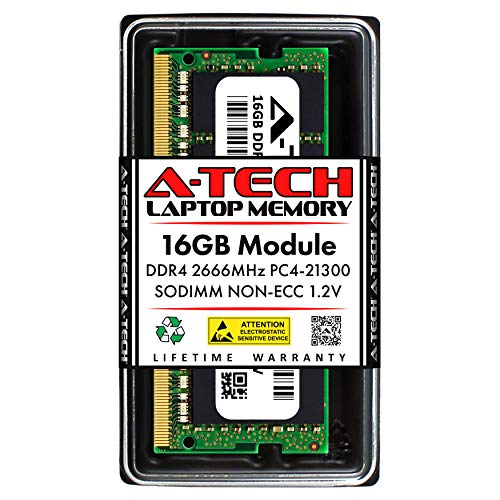
This A-Tech SO-DIMM module is designed for laptops and other devices with a 260-pin, 1.2V DDR4 memory interface. It delivers 16GB of capacity at 2666MHz, supporting single 16GB modules for notebook upgrades or dual-channel configurations when paired. The memory is non-ECC and unbuffered, compatible with many consumer-grade laptops and all-in-one systems that support DDR4 SO-DIMM at 2666/2667 speeds. Installation is typically straightforward for users familiar with their device’s back panel access. Confirm laptop compatibility, BIOS compatibility, and whether the system benefits most from larger capacity or higher memory bandwidth.
Crucial 4GB DDR4 2666MHz SODIMM

Crucial’s 4GB DDR4 2666MHz SODIMM is a budget-friendly option for upgrading older laptops or small form-factor devices. The 260-pin SODIMM fits a wide range of notebooks and AIO systems that require modest memory increases without a large financial outlay. It adheres to the JEDEC DDR4 standard at 1.2V and operates with non-ECC, unbuffered memory. When selecting a small-capacity module, consider whether your system benefits more from additional capacity or higher bandwidth, especially if the laptop has limited upgrade slots or power constraints. Crucial offers reliable compatibility across many models, backed by its warranty support.
A-Tech 16GB (2x8GB) DDR4 2666MHz So-DIMM Kit
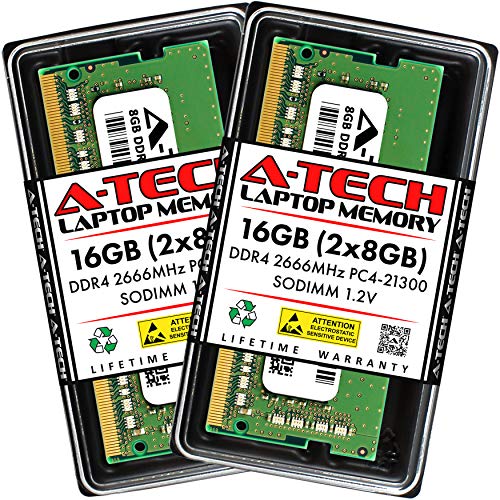
This A-Tech 16GB kit comprises two 8GB SO-DIMM modules, offering a convenient upgrade path for laptops and small-form-factor systems. The kit supports speeds up to 2666/2667 MHz and is non-ECC and unbuffered with 1.2V operation. The 260-pin form factor ensures broad compatibility with many notebook models and all-in-ones that accommodate DDR4 SO-DIMM. Dual-channel configurations can improve multitasking and system responsiveness in supported devices. As always, verify device compatibility, BIOS support, and whether the system’s cooling tolerates additional memory bandwidth.
A-Tech 16GB (2x8GB) DDR4 2666MHz UDIMM
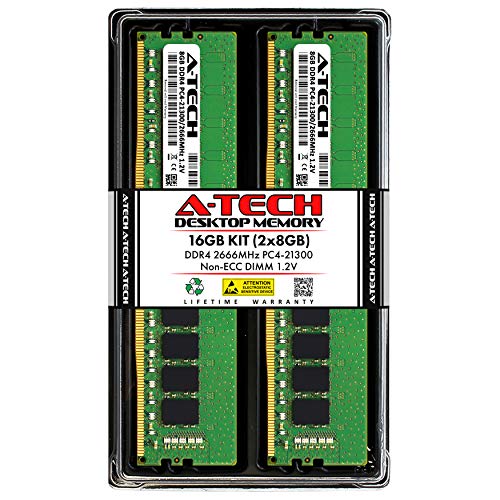
This desktop memory kit from A-Tech includes two 8GB DIMMs for a total of 16GB, designed for 2666MHz operation with DDR4 desktop motherboards. The kit emphasizes ease of installation and compatibility with a wide range of DDR4 systems, along with A-Tech’s lifetime warranty and customer support. Dual-channel operation can provide noticeable gains in multitasking and general performance. Ensure that your motherboard supports 2666MHz modules and that the BIOS is updated to recognize higher-density DIMMs if necessary for optimal stability.
Buying Guide: Key Factors To Consider When Choosing DDR4 2666MHz Memory
Purpose and workload: If you run memory-intensive applications (video editing, virtualization, large data sets), larger capacity and dual-rank DIMMs may deliver better performance through multitasking and caching. For general use or light workloads, 8GB or 16GB kits offer a solid upgrade with noticeable system responsiveness.
Desktop vs laptop: Desktop UDIMMs (288-pin) and laptop SO-DIMMs (260-pin) are not interchangeable. Check your device’s memory type, module height, and physical space. Laptops often require smaller heat sinks and may limit upgrade options to a single slot or two dedicated slots.
Speed and latency: 2666MHz memory is common across many systems and pairs well with mid-range CPUs. If your motherboard and CPU support higher speeds, enabling XMP/DOCP profiles can unlock full performance. Latency (CL19 vs CL18/17) matters little in many real-world tasks unless you’re pushing memory bandwidth in benchmarks or specific workloads.
Voltage and reliability: DDR4 at 1.2V is standard. Non-ECC, unbuffered memory is compatible with most consumer systems, but servers and workstations often benefit from ECC. Dual-rank modules can offer higher capacity within the same stick count, though compatibility varies by motherboard.
Warranty and support: A longer warranty and accessible tech support can reduce post-purchase risk. Consider brands with clear return policies and helpful customer service. If upgrading a laptop, ensure the memory kit is validated for your model to avoid compatibility issues.
Install and BIOS: Memory installation is generally straightforward, but BIOS/UEFI settings may need adjustment to enable higher speeds or to recognize new kits. When mixing brands or speeds, stability testing (like running memory diagnostics) is recommended to ensure reliable operation.
Budget and value: Balancing capacity, speed, and price is essential. In many cases, upgrading capacity first yields more noticeable performance gains than simply increasing speed. For budget builds, smaller increments can still provide meaningful improvements in multitasking and responsiveness.
In summary, the five highlighted DDR4 2666MHz options cover a range of desktops and laptops, balancing capacity, form factor, and reliability. Whether you’re expanding a desktop with a 32GB kit or upgrading a laptop with 16GB of fast, non-ECC memory, compatibility with your device’s memory type and motherboard/BIOS is the primary consideration. Use the buying guide as a checklist to compare modules, confirm support for 2666MHz, and select a configuration that best matches your performance goals and budget.