DDR4 memory with a 288-pin module design remains a standard choice for many modern desktop builds. This guide highlights five solid options that balance capacity, speed, and reliability while staying compatible with Intel and AMD platforms. Each product section includes key features to help you compare performance and installation ease. The overview also provides practical buying considerations to help you pick the right modules for gaming, multitasking, or content creation.
| Product | Capacity | Speed | Voltage | Type |
|---|---|---|---|---|
| Timetec 32GB Kit (2x16GB) | 32GB | 2666MHz | 1.2V | UDIMM |
| OLOy 16GB Kit (2x8GB) 3200 | 16GB | 3200MHz | 1.35V | UDIMM |
| Crucial 8GB DDR4 3200 | 8GB | 3200MHz | Unknown | UDIMM |
| Timetec Premium 16GB Kit (2x8GB) | 16GB | 2666MHz | 1.2V | UDIMM |
| A-Tech 8GB DDR4 2400 | 8GB | 2400MHz | 1.2V | UDIMM |
Timetec 32GB Kit (2x16GB) DDR4 2666MHz UDIMM
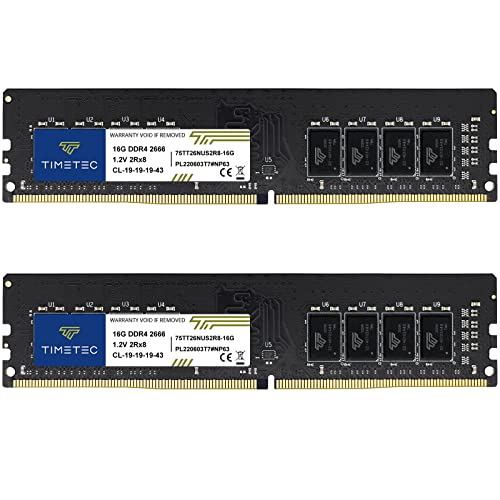
Timetec’s 32GB dual-channel kit pairs two 16GB modules for a total of 32GB in a 288-pin DDR4 UDIMM. It runs at 2666MHz with a low 1.2V supply and CL19 timing, suitable for multitasking and memory-intensive workloads. The dual-rank 2Rx8 configuration can improve memory bandwidth on compatible platforms, though overclocking headroom may vary by motherboard and CPU. This kit is a straightforward upgrade path for users needing more memory headroom without replacing existing modules.
Key features include 2666MHz operation, non-ECC and unbuffered design, and a standard desktop voltage. It’s compatible with many Intel and AMD builds that support DDR4, and the dual 16GB modules deliver solid performance for gaming, design software, and running multiple applications simultaneously.
OLOy 16GB Kit (2x8GB) 3200MHz UDIMM

OLOy’s 16GB kit provides a total of 16GB in a 2x8GB configuration at 3200MHz with CL16 timings. Operating at 1.35V, these modules are optimized for gaming and high-demand multitasking on recent systems. The dual-rank design helps boost bandwidth on compatible boards, while XMP 2.0 support can enable automatic overclocking to the rated speed on supported platforms. This kit offers strong performance per dollar for mainstream builds and creative workloads.
Features emphasize compatibility and ease of use, including easy installation and reliable operation within typical desktop environments. The 288-pin UDIMM form factor ensures wide compatibility with modern motherboards that support DDR4 memory.
Crucial 8GB DDR4 3200MHz UDIMM

Crucial’s 8GB DDR4 module runs at 3200MHz with CL22 latency, designed to boost multitasking and system responsiveness. While a single 8GB module, it’s easy to install and pairs well with existing memory for upgrade scenarios. Crucial supports system scanning and upgrade guidance to verify compatibility and help with installation steps, reducing potential compatibility issues during upgrades.
The module adheres to the 288-pin UDIMM form factor and 1.2V (typical). It’s a practical option for users who need a straightforward memory boost to improve overall system performance without large-scale changes to their current RAM configuration.
Timetec Premium 16GB Kit (2x8GB) DDR4 2666MHz UDIMM

This Timetec premium kit provides 16GB total in a 2x8GB arrangement at 2666MHz with 1.2V and CL19 timing. The 1Rx8 single-rank design supports a range of desktops, including older boards that still require DDR4 compatibility. The kit emphasizes reliability and straightforward installation for users upgrading from smaller RAM configurations or building a new mid-range system.
It aligns with 288-pin UDIMM standards and is compatible with most DDR4 motherboards that support 2666MHz operation. The dual-module setup aids in memory bandwidth and contributes to a balanced overall system performance for everyday tasks and light content creation workloads.
A-Tech 8GB RAM Replacement for CT8G4DFS824A DDR4 2400

A-Tech offers an 8GB DDR4 module designed as a replacement option at 2400MHz. It uses a 288-pin UDIMM form factor and 1.2V non-ECC, single-rank (1Rx8) configuration. This module is well-suited for older systems or builds that don’t require higher-speed memory but still desire a reliable RAM upgrade that maintains compatibility with the JEDEC DDR4 standard.
Installation is straightforward, and the module’s standard 288-pin design ensures broad compatibility across many desktop platforms. This option is practical for users upgrading a single channel or expanding memory in systems that need stable, low-volt RAM at 2400MHz.
Timetec 8GB DDR4 2666MHz UDIMM

Timetec’s 8GB DDR4 module operates at 2666MHz with CL19, 1.2V, and a 288-pin UDIMM design. It’s a single rank 1Rx8 module intended for straightforward upgrades, especially in systems needing a simple, reliable memory bump without replacing existing modules. This option suits users who are expanding capacity in budget-conscious builds or upgrading older machines with DDR4 support.
With standard desktop voltage and non-ECC, unbuffered operation, it provides dependable performance for day-to-day tasks and moderate multitasking while maintaining broad compatibility across Intel and AMD platforms that support DDR4 memory.
OLOy 16GB Kit (2x8GB) 3200MHz UDIMM
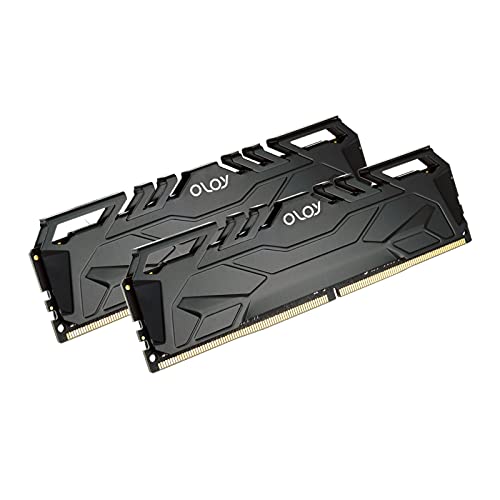
This entry from OLOy is included for its 16GB total capacity and high 3200MHz speed with CL16 timing. The 1.35V operation and XMP 2.0 support aim at automated overclocking on compatible systems, delivering strong performance for gaming, creative workloads, and multi-application workflows. The 2x8GB kit is a practical upgrade path that preserves dual-channel performance on supported motherboards.
With a 288-pin UDIMM form factor and modern DDR4 features, this kit balances speed, efficiency, and ease of use for today’s desktops that prioritize speed-oriented performance without extensive manual tuning.
Buying Guide: Key Considerations When Choosing DDR4 288-Pin RAM
- System compatibility: Check your motherboard’s supported memory speeds, capacities, and configurations. Some boards enable XMP profiles for automatic overclocking, while others require manual tuning.
- Capacity vs. usage: For gaming and multitasking, 16–32GB total is common. For budget builds or light use, 8GB modules can still be adequate, but consider future-proofing needs.
- Speed and timing: Higher MHz can improve bandwidth and frame rates in certain games and apps, but gains depend on CPU and motherboard support. CL timings also affect latency; lower numbers can improve responsiveness.
- Voltage and stability: DDR4 memory voltage varies by kit. Ensure your motherboard and CPU can supply and stabilize the chosen voltage for long-term reliability.
- Single vs. dual rank: Dual-rank modules can offer higher memory bandwidth on compatible systems, but compatibility should be verified for your specific motherboard model.
- ECC vs non-ECC: Consumer desktops typically use non-ECC memory. ECC memory is common in workstations and servers but may require specific hardware support.
- Upgrade path: If building now, consider future upgrades. A dual-channel kit with matching modules generally performs best in dual-channel configurations.
- Warranty and support: Reputable brands often provide lifetime or limited warranties. Consider vendor support and return policies if compatibility issues arise.