For households using Comcast Xfinity with voice service, choosing a modem that supports both internet and telephony can simplify setups and reduce monthly rental fees. The following selections are compatible with Comcast Xfinity Internet and Voice, offering built-in VoIP ports, reliable DOCSIS 3.0 or 3.1 performance, and the ability to pair with a separate Wi-Fi router when needed. The list focuses on models that support Xfinity Voice while delivering solid internet speeds for typical home use.
| Product | Brand | Model | Modem Type | Key Phone Feature |
|---|---|---|---|---|
| MT7711 (24×8) | Motorola | MT7711 | DOCSIS 3.0 | Two Xfinity Voice ports |
| SVG2482AC | ARRIS | SVG2482AC | DOCSIS 3.0 | Two telephone ports |
| SBV3202 | ARRIS | SBV3202 | DOCSIS 3.0 | Two telephony ports |
| CM500V-100NAS | NETGEAR | CM500V | DOCSIS 3.0 | Two phone lines |
| B12 | Motorola | B12 | DOCSIS 3.1 | Voice compatibility for Xfinity/others (multi-gig port) |
Motorola MT7711: Dual Phone Ports and AC1900 Wi‑Fi
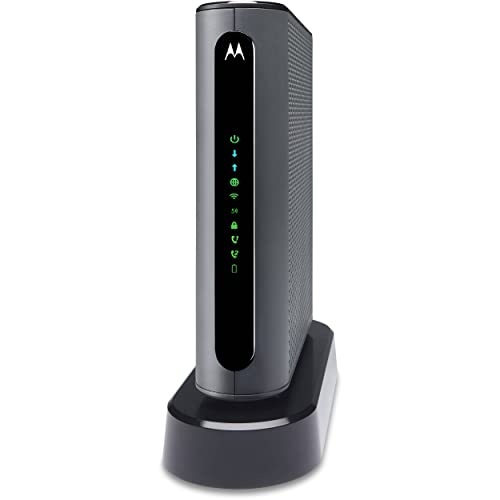
The MT7711 combines a DOCSIS 3.0 cable modem, an AC1900 dual‑band Wi‑Fi router, and two Xfinity Voice phone ports. It delivers gigabit-class wireless speeds via its four Ethernet ports and three internal antennas. The device is compatible with Comcast Xfinity Internet Service and supports enhanced call features such as caller ID, call forwarding, and conference calling. Note that the phone option is specific to Xfinity Voice; it can be used without phone service, but the unit is not compatible with other ISPs for phone features. If you wish to disable phone service, Motorola support can assist.
Motorola MT7711 (Renewed): 3‑in‑1 Modem, Router, and Voice
This renewed option includes the 24X8 DOCSIS 3.0 modem, AC1900 dual‑band router, and two Xfinity voice ports. It is approved for Comcast Xfinity Internet and Voice and is positioned as a cost‑savvy alternative for households aiming to reduce rental costs. It is designed for Comcast Xfinity service levels up to 400 Mbps and must be used with Comcast Xfinity Internet Service. It is not compatible with non‑Xfinity internet providers for voice.
ARRIS SVG2482AC: 2 Telephony Ports for Comcast Xfinity

The SVG2482AC offers 8×4 DOCSIS 3.0 cable modem capabilities with AC1200/AC Wi‑Fi routing and two Xfinity voice ports. It is approved for Comcast Xfinity Internet and Voice and targets homes seeking a simple, integrated modem/router solution. The device supports setting up a connection via the SURFboard Central app and then linking a separate Wi‑Fi router for broader coverage. This model is best for users who want a single device handling both internet and voice services from Comcast.
NETGEAR CM500V: Cable Modem with Voice for Xfinity
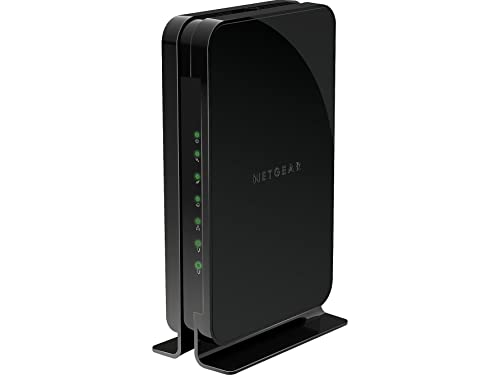
The CM500V combines DOCSIS 3.0 with two phone lines and is certified for Xfinity Internet and Voice service. It’s designed to replace a rental modem and support plans up to 300 Mbps. Users pair this modem with a separate router to create a complete home network. It is not compatible with non‑Xfinity voice services, keeping the focus on Comcast’s voice ecosystem.
ARRIS SBV3202: DOCSIS 3.0 With Xfinity Voice

The SBV3202 bundles a DOCSIS 3.0 modem with an AC1750 dual‑band router and two telephony ports for Xfinity Voice. It is designed for Comcast Xfinity Internet and Voice, and may require a Comcast router for full functionality in some setups. The device aims to deliver reliable speeds while enabling voice service through Comcast’s network, simplifying installation for households consolidating internet and phone needs.
Motorola MB7621: High‑Speed Modem for Cable Internet
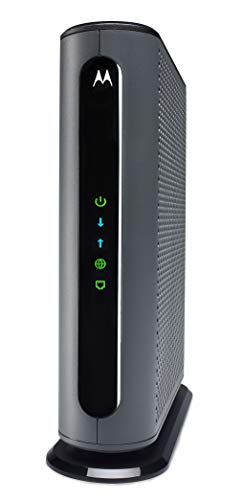
The MB7621 is a DOCSIS 3.0 modem recommended for speeds up to 900 Mbps, pairing with any Wi‑Fi router. It does not include telephony functionality. While not a dedicated voice modem, it remains a popular choice for households seeking strong internet performance with Comcast Xfinity when voice is handled via an independent VoIP setup or a separate device. It supports rental‑free ownership and is frequently cited for broad compatibility.
Motorola B12: Advanced Cable Modem, 2.5 Gbps Port

The B12 offers DOCSIS 3.1 performance with a 2.5 Gbps Ethernet port, designed for high‑speed internet plans. It is approved for Comcast Xfinity and other providers. While primarily marketed for ultra‑fast speeds, users should confirm ISP compatibility and plan requirements before purchase, since DOCSIS 3.1 devices and voice support vary by service level. Owning a modem with a multi‑gig port can future‑proof home networks while reducing rental costs.
Buying Guide: Key Considerations for Comcast Xfinity Internet & Voice Modems
- Voice compatibility: Confirm Xfinity Voice support and port availability. Models with two telephony ports enable traditional phone service over Comcast, while others may require a separate VoIP setup.
- DOCSIS version: DOCSIS 3.0 devices are typically sufficient for many households, while DOCSIS 3.1 offers higher potential throughput. Check your plan speeds to match the appropriate standard.
- Router vs modem/router: Decide whether to use a standalone modem or a unit with built‑in Wi‑Fi. A separate router often provides stronger Wi‑Fi coverage in larger homes.
- ISP compatibility: Some devices are specifically approved for Comcast Xfinity Internet and Voice and may not work with other providers or voice services without changes.
- Performance and reliability: Look for devices with good reviews for stability, easy setup, and consistent speeds supporting your internet plan.
- Rental savings: Owning a modem can reduce monthly rental fees; estimate yearly savings based on your plan and rental costs in your area.
- Future‑proofing: If you anticipate faster speeds or multi‑device networks, consider DOCSIS 3.1 options with a multi‑gig Ethernet port, while ensuring your service tier supports them.
- Compatibility with existing hardware: If you already have a high‑quality router, a DOCSIS modem with VoIP ports may be sufficient; otherwise, choose a combo device to simplify installation.
When selecting a Comcast Xfinity compatible modem with phone support, weigh the balance between voice features, internet speed, and network layout. The options above cover common needs, from built‑in voice capabilities to high‑speed data paths, helping households reduce rental costs while keeping reliable service.