Finding a straightforward device that emphasizes reliable calling and texting without heavy internet features can help ensure focus, safety, and ease of use. The following selections are designed for kids and other learners who want dependable communication tools with minimal distractions. Each model supports essential functions like calls, texts, and basic extras such as GPS or SOS when available, while avoiding complex app ecosystems. This guide highlights five relevant options with brief notes on what makes each suitable for simple communication needs.
| Product | Brand | Notable Feature | Ideal For |
|---|---|---|---|
| UNERVER Kids Safe Phone | UNERVER | Calls, text, location tracking, 4.2″ screen | Kids aged 7–16 seeking safe connectivity |
| PROGRACE Kids Smart Phone | PROGRACE | Calls, texts, WiFi, Bluetooth, dedicated content | Learning-focused kids with safe communication |
| Easyfone T200 (Black) | Easyfone | Basic calls and texts, no internet or camera | Users needing a simple, reliable phone |
| Easyfone T200 (White) | Easyfone | Basic calls and texts, no internet or camera | Alternative color option for simplicity |
| Citfis 4G Kids Smart Watch (Pink) | Citfis | GPS, voice/video calling, texting, SOS | Parents who want location and quick contact via wearable |
UNERVER Safe Kids Phone
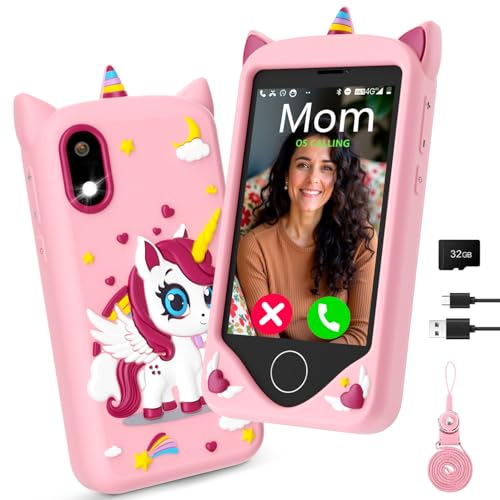
The UNERVER Kids Smart Phone is designed as a safe communication device for children aged 7–16. It supports calling and texting, along with Bluetooth connectivity and location tracking, making it suitable for parents who want children to stay connected while supervised. The phone uses AT&T SIM compatibility and emphasizes reliable connectivity. It combines education and entertainment via included apps and games, aiming to balance learning with responsible screen time. The device features a 4.2-inch IPS display and dual cameras for capturing moments during daily activities.
PROGRACE Kids Smart Phone

The PROGRACE Kids Smart Phone is pitched as an all-in-one learning and safety device, enabling calls, texts, WiFi, Bluetooth, and location services. It includes an auto-focus camera and a large, smooth touchscreen to support educational content and creative activities. SIM card is considered optional and not included, allowing families to decide the best plan. The device offers access to Montessori-aligned apps, STEM activities, and educational videos to promote constructive screen time while keeping communication straightforward for kids.
Easyfone T200 4G (Black)

The Easyfone T200 is a straightforward, 4G feature phone designed for ease of use. It focuses on calls and texts with a nostalgic, button-based interface and avoids internet access and cameras. The model supports Type-C charging and a long-lasting 1050mAh battery for extended standby. It’s aimed at users who want a dedicated device for voice communication and messaging without the distractions of a smartphone.
Easyfone T200 4G (White)

This White variant of the Easyfone T200 mirrors the Black model’s features: a simple, durable phone that emphasizes calling and texting with no internet and no camera. It uses a reliable 4G network, with straightforward controls and a focus on essential communications. The phone includes basic charging with a long standby time, making it a practical option for users who want a low-friction device for staying in touch.
Citfis 4G Kids Smart Watch (Pink)

The Citfis 4G Kids Smart Watch provides more than a phone alone, combining GPS tracking with voice and video calling, texting, and an SOS feature. It also offers a camera and image album, a calendar, pedometer, and safety-focused features such as a historical route log and class mode. This wearable is designed for children aged 5–12 and supports real-time location sharing with parents via a companion app. It emphasizes staying connected through a wearable, with multiple communication options to minimize screen time on other devices.
Buying Guide: Key Purchase Considerations
- Purpose and user age: For younger children, devices with strong parental controls, GPS/safety features, and limited apps are ideal. Seniors or adults seeking minimal features will benefit from simple, button-focused models.
- Connectivity and SIM: Some models require a specific carrier or SIM; verify compatibility and whether SIM is included or requires separate purchase.
- Calls, texts, and safety features: Prioritize devices that support reliable calling and texting. GPS location, SOS, and emergency features add valuable safety layers for kids and elderly users.
- Display and usability: Favor larger, easy-to-read screens and simple interfaces. For kids, rugged design and durable buttons help with daily use.
- Battery life: Longer standby and usable talk time reduce charging frequency, which is especially helpful for kids and seniors.
- Content and apps: If educational content matters, check for preloaded learning apps or content that aligns with learning goals while limiting access to the internet.
- Wearables vs. phones: Wearable options like GPS-enabled watches offer quick communication and real-time location without carrying a separate device, but check battery life and water resistance.
- Privacy and safety: Look for devices with robust parental controls, location sharing controls, and easy ways to manage contacts and calls.