Finding a phone that’s easy to use and reliable for someone with developmental disabilities can improve safety, independence, and peace of mind for families and caregivers. The following selections prioritize large buttons, simple interfaces, emergency features, clear sound, and dependable networks. Below, you’ll find a concise buying guide and five carefully chosen devices with straightforward layouts, SOS buttons, and long battery life. A quick summary table is provided to compare key features at a glance.
| Product | Brand | Key Feature | Network | Battery |
|---|---|---|---|---|
| 4G Flip Phone Unlocked for Seniors (Matte Black) | Generic | Dual screen, SOS, large buttons | 4G LTE | 1400 mAh |
| Easyfone T6 4G Picture Button Senior Phone | Easyfone | Picture memory buttons, SOS | 4G | 1050 mAh |
| Easyfone T200 4G Unlocked Feature Phone | Easyfone | No Internet, clear sound | 4G | 1050 mAh |
| LIVELY Jitterbug Smart4 | Lively | Urgent Response, large screen | 4G | N/A |
| artfone A400 Pro Silver | artfone | SOS button, large keypad | 2G/3G/4G | 1800 mAh |
4G Flip Phone Unlocked for Seniors (Matte Black)
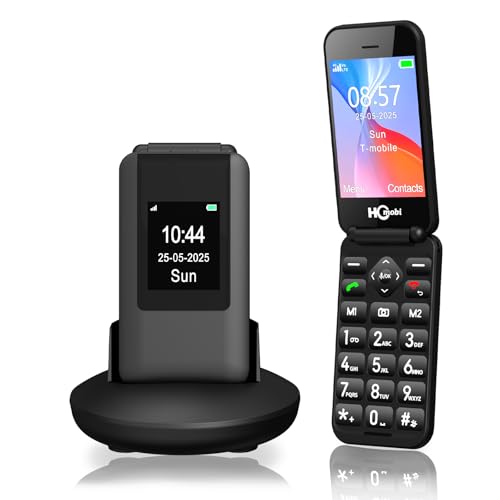
The C8 4G senior flip phone combines a dual-screen design with big, tactile buttons for easy dialing and texting. It features a 2.8-inch inner screen and a 1.5-inch outer display, allowing users to check time, caller ID, and notifications without opening the device. It supports 4G VoLTE, 3G WCDMA, and 2G/GSM networks for broad coverage, and includes a 1400 mAh battery with a charging dock for convenient charging. The device is unlocked and compatible with multiple carriers, with particular emphasis on T-Mobile networks.
Key accessibility features include large, high-contrast buttons and clear volume. The phone is positioned as a straightforward backup or emergency option, suitable for seniors or individuals who benefit from simplified controls. Expandable memory up to 32GB via microSD helps store photos and messages. The device’s emphasis on reliability and straightforward use makes it a practical choice for developmentally disabled users who require dependable communication tools without a complex interface.
Easyfone T6 4G Picture Button Senior Phone
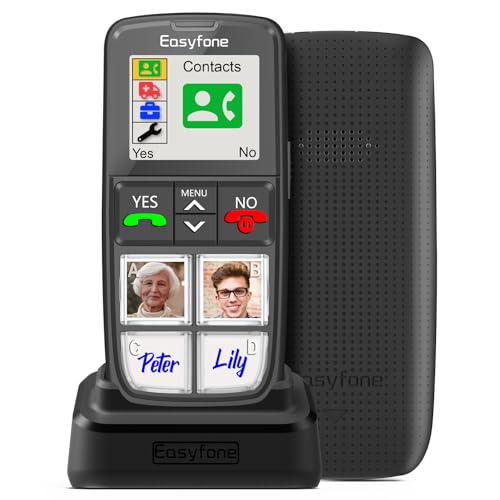
This Easyfone T6 places emphasis on ease of use through large picture memory buttons, eliminating the need to search a traditional contact list. The minimalist user interface focuses on calling, with a robust SOS button for emergencies. It includes a charging dock for simple power management and a 1050mAh battery designed for long standby. The device is well-suited for individuals with dementia or cognitive challenges who benefit from a tactile, visual approach to dialing and speed-dial contacts.
Users should consider whether the 4G network coverage fits their area and whether the device’s simplified UI meets their specific needs for memory prompts and emergency support. This model provides a balance of safety features and straightforward operation without extraneous smartphone features that could cause confusion.
Easyfone T200 4G Unlocked Feature Phone

The Easyfone T200 offers a simple, no-internet experience focused on calls and texts, with a classic bar-style design and a loud, clear speaker. It lacks a camera and internet access, reducing distractions and potential confusion. A 1050mAh battery supports extended standby times, while features like a dedicated flashlight and Bluetooth provide practical utility for daily tasks. The phone’s streamlined OS and physical buttons aim to minimize cognitive load for users who benefit from tactile feedback and a straightforward call-centric experience.
Consider whether the absence of a touchscreen aligns with the user’s abilities and whether the device’s basic features adequately support safety, reminders, and communication needs in daily life.
LIVELY Jitterbug Smart4 Smartphone for Seniors

The Jitterbug Smart4 is designed specifically for seniors, combining a large 6.7-inch display with a simple, accessible menu and real-time call captioning. It includes a pre-installed SIM card and access to Lively’s service plans, with 24/7 support and Urgent Response features for emergencies. The device balances smartphone capabilities with caregivers’ safety needs, offering easy navigation and helpful accessibility tools while maintaining a focus on reliable, user-friendly operation.
Important considerations include compatibility with the service plan, the availability of urgent support, and whether a larger screen with captioning best meets the user’s communication and safety requirements. This option is best for users who can benefit from smartphone features in a controlled, supervised setting with dedicated customer support.
artfone A400 Pro Silver
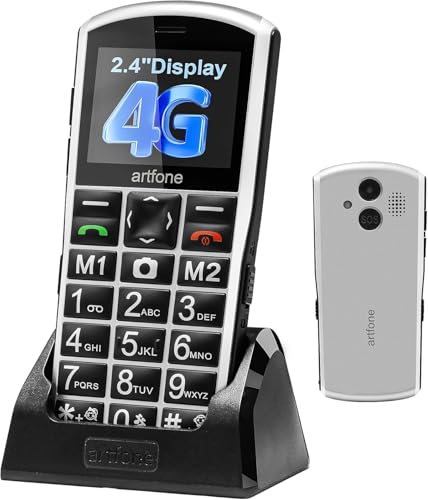
The artfone A400 Pro is a large-button, 4G unlocked phone with an SOS button and a 2MP rear camera. It features a charging dock, dual SIM capability, and a raised keypad designed for tactile ease. The phone is marketed toward seniors and users who require a simple, no-frills device focused on calls and SMS. This model’s accessibility features center on its big keys and straightforward interface, helping reduce dialing errors and support quick emergency contact when needed.
Carrier compatibility indicates it works across multiple networks, but it’s important to confirm support for your region and any preferred SIM cards. The inclusion of a flashlight, volume boost, and hands-free operation further supports accessibility for users with varying needs.
Buying Guide
Key purchase considerations for choosing a phone for someone with developmental disabilities include ease of use, accessibility features, emergency capabilities, battery life, and network compatibility. Here are common perspectives to weigh:
- Ease of use: Prioritize large buttons, simple menus, and minimal navigation steps. Picture-dialing and speed-dial features can reduce confusion and improve response times in emergencies.
- Emergency features: An SOS button or easy access to urgent assistance is essential. Consider devices with automatic emergency dialing and one-tap help options.
- Sound and readability: Look for phones with loudspeaker volume, clear sound, and high-contrast displays. Larger screens can aid readability for users with visual impairments.
- Battery life and charging: Long standby and talk times, plus convenient charging docks, help ensure devices remain usable between charges.
- Network compatibility: Verify coverage in your area and compatibility with preferred carriers (4G/3G/2G options). Unlocked devices can offer flexibility if plans change.
- Hardware design: Big-key layouts, tactile buttons, and minimalistic interfaces reduce cognitive load. Some models include camera features or FM radios for enrichment or entertainment, which may be optional depending on user needs.
- Support and updates: Some brands provide caregiver-focused support, easy setup, and post-purchase assistance—beneficial for first-time users or family members managing the device.
When selecting a device, consider the user’s daily routines, the environment (home or community settings), and the level of caregiver oversight required. If possible, trialing a device for a short period can help determine whether the model matches the user’s abilities and safety needs. The five options above provide a range of simple-to-use features, safety tools, and network compatibility suitable for many seniors or individuals seeking straightforward communication tools.