For spin bike workouts, accurate cadence and speed data help you train smarter, tailor workouts, and track progress across sessions. The following five sensors are well-suited for spin bikes, indoor trainers, and hybrid setups, offering Bluetooth, ANT+, and app compatibility. Each product section explains the core features, setup notes, and how it plugs into popular training ecosystems like Wahoo, Zwift, Peloton, and OpenRider.
| Product | Brand | Key Benefit |
|---|---|---|
| Wahoo RPM Cadence Sensor | Wahoo Fitness | Dual-band cadence data with broad app support |
| Magene Outdoor/Indoor Cadence Sensor | Magene | Multi-protocol compatibility with flexible pairing |
| moofit Cadence Sensor | moofit | Real-time data with ANT+/BLE and easy installation |
| CYCPLUS Bike Speed & Cadence Sensor | CYCPLUS | Two sensors in one package for speed and cadence |
| COOSPO Cadence & Speed Sensor | CooSpo | Dual sensors with Bluetooth and ANT+ |
The selections emphasize reliability, cross-platform compatibility, easy installation, and practical sensor-to-device workflows for home workouts and guided programs.
Wahoo RPM Cycling Cadence Sensor for Outdoor, Spin and Stationary Bikes
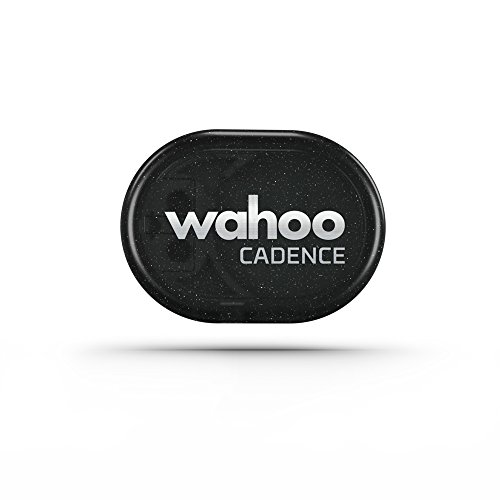
The Wahoo RPM cadence sensor provides real-time cadence data via Bluetooth and ANT+. It measures revolutions per minute and integrates with popular apps such as Wahoo SYSTM, RGT, Zwift, and Peloton Digital on iOS. Dual-band technology ensures compatibility with smartphones, tablets, and bike computers, making it a versatile choice for spin bikes and training rides. Users can monitor cadence to optimize pedal stroke efficiency and endurance, especially during sustained intervals. The sensor is designed to attach to the crank arm area and communicate seamlessly with supported devices.
Magene Outdoor/Indoor Speed/Cadence Sensor
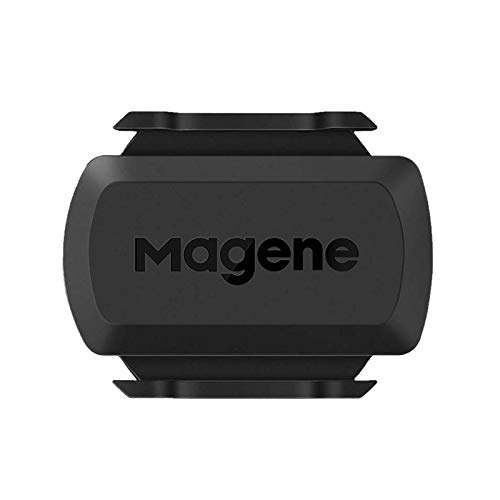
Magene’s cadence sensor is designed for both speed and cadence tracking in cycling setups. It supports Bluetooth and ANT+ while highlighting mode switching between speed and cadence. A key note is that one sensor can operate in a single mode at a time, so users often pair two sensors if they need both speed and cadence data. The device emphasizes flexibility and broad compatibility with major platforms like Onelap, Wahoo Fitness, and Zwift, though concurrent app connectivity can vary by protocol.
moofit Cadence Sensor Bluetooth/ANT+ IP67

The moofit cadence sensor uses both ANT+ and Bluetooth, enabling real-time cadence data on bike computers and compatible apps. The IP67 rating supports moisture exposure during workouts, while magnets are not required for installation. It offers straightforward attachment to the crank arm and is marketed toward users seeking reliable cadence data across popular platforms and training apps. The sensor focuses on providing consistent RPM measurements for pacing and cadence-focused workouts.
CYCPLUS Bike Speed and Cadence Sensor

The CYCPLUS kit includes two sensors in one package, allowing simultaneous speed and cadence measurement. It supports Bluetooth and ANT+ multi-protocol connectivity, with a quick switch between modes. The dual-sensor approach enables users to monitor both data streams without swapping units, making it practical for comprehensive indoor training and compatibility with various apps and bike computers. The setup is designed for ease of use with a straightforward pairing process.
COOSPO Cadence Sensor
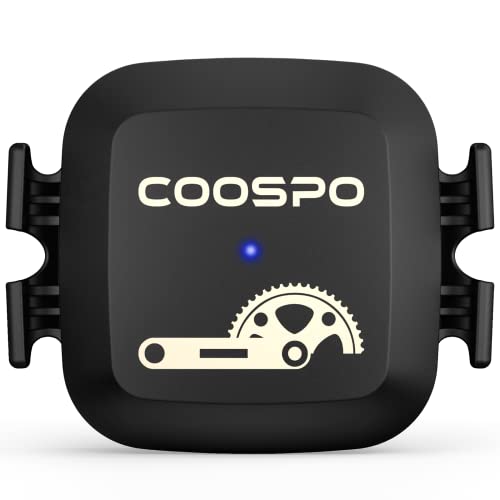
The COOSPO cadence sensor focuses on real-time cadence data with Bluetooth and ANT+ compatibility. It emphasizes one-app or device pairing considerations, noting that connections may be limited to a single app when using Bluetooth, while ANT+ can support multiple devices. The sensor is designed for quick attachment to the crank arm and works with various cycling apps and bike computers, providing a reliable option for cadence-focused workouts on spin bikes and trainers.
Buying Guide
Key purchase considerations help determine the best cadence and speed sensor for a spin-bike setup. Consider the following perspectives and trade-offs:
- Compatibility: Ensure the sensor supports your primary devices (smartphone, tablet, bike computer) and your preferred apps (Zwift, Peloton, Rouvy, OpenRider, etc.). Multi-protocol sensors (BLE and ANT+) offer the broadest reach.
- One vs. two sensors: If you need both speed and cadence data, you can choose a dual-sensor package or two single-sensor devices. Some brands offer two-in-one kits, while others require separate units for speed and cadence.
- Installation: Look for magnet-free mounting options and crank-arm compatibility. IP ratings (e.g., IP67) help in humid environments or sweaty sessions.
- Data accuracy and latency: Real-time cadence data is critical for interval work and pacing. Check reviews or spec sheets for RPM accuracy and update rates.
- App ecosystem: Confirm how well the sensor plays with your training apps. Bluetooth limitations may restrict concurrent app connections in some cases, especially with Bluetooth-only modes.
- Battery life and setup: Battery type and life matter for frequent training. Some sensors ship with pre-installed batteries and straightforward reactivation steps.
- Price-to-value: While not listing prices here, compare total cost against features such as dual-mode operation, easy pairing, and compatibility breadth to determine value.
When selecting a cadence or speed sensor for spin bikes, prioritize devices that align with your training goals—whether you focus on cadence for pedal efficiency, speed for interval pacing, or a combination of both—and the devices’ ecosystem compatibility to ensure smooth integration with your workouts.