Blocking unwanted calls has become easier with dedicated apps and devices designed to identify and block spam, robocalls, and telemarketers. This guide highlights top options that work with landlines, home phones, and mobile devices, offering automatic blocking, caller ID integration, and customizable blacklists or whitelists. Each option below is evaluated for ease of setup, effectiveness, and ongoing costs, so readers can choose a solution that fits their needs.
| Product | Brand | Key Benefit |
|---|---|---|
| Call Control Home | Call Control | Automatic blocking for landlines with community-driven spam lists |
| Digitone ProSeries 3 | Digitone Communications | One-button blocking with guest list options and remote blocking |
| Truecaller: Caller ID & Spam Blocking | True Software Scandinavia | Comprehensive caller ID and spam blocking for mobile and landlines |
| CPR V100K Call Blocker | CPR Call Blocker | Preloaded 100,000 known nuisance numbers with easy manual blocking |
| CPR V10000 Call Blocker | CPR Call Blocker | Large preloaded list with simple allow/block modes for targeted control |
The following selections prioritize devices and apps that integrate with existing landline setups or mobile devices, offering automatic blocking, user-generated lists, and straightforward operation. Each product section provides an overview, notable features, and practical use cases to help readers compare options side by side.
Automatic Blocker For Landlines: Call Control Home
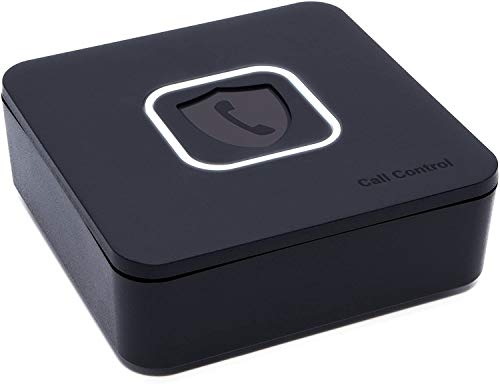
Call Control Home is designed for landline and home phones, using a community-driven Block List to curb millions of robocalls and telemarketing attempts. The system requires caller ID and a smartphone to unlock full functionality, but there are no ongoing fees beyond the initial purchase. The device connects to your landline and blocks calls automatically before they reach the handset, reducing disruptions without manual intervention. An optional premium mobile app can extend protection to mobile devices without altering landline performance.
Key features include CommunityIQ-based blocking, compatibility with iPhone and Android smartphones, and a “no-partner-fee” structure for core landline blocking. This option is ideal for households seeking hands-off protection that works assoon as it’s set up, especially where many spam calls are reported by the community.
Digitone ProSeries 3 Call Blocker

The ProSeries 3 from Digitone Communications offers automatic blocking for spam calls with a simple setup. It identifies known nuisance numbers and routes legitimate calls through with caller ID displayed. A notable feature is the ability to create a White List of invited numbers, ensuring trusted contacts never get blocked. The device supports various landline configurations and can be controlled via a dedicated handset interface, with a remote blocking option activated by dialing a special sequence.
Users can view call history to block specific numbers and employ dual blocking buttons for quick responses. The ProSeries 3 emphasizes ease of use and reliable protection against common spam categories, making it suitable for families needing dependable, low-effort protection on traditional phone lines.
Truecaller: Caller ID & Spam Blocking

Truecaller combines advanced caller identification with spam and telemarketing blocking. Users can identify unknown numbers in call history and see associated names, reducing the uncertainty of missed calls or unknown contacts. The solution is versatile for mobile users and can also support landline contexts where Truecaller integration is available, helping to filter nuisance calls before they ring through to a device.
As a widely adopted app, Truecaller leverages a large user base to maintain up-to-date spam and telemarketing data, offering a broad perspective on who is calling and why. This makes it an effective choice for individuals who want both identification and blocking capabilities across multiple devices and call types.
CPR V100K Blocker For Landlines

The CPR V100K is a traditional analog landline blocker designed for straightforward operation. It requires Caller ID service and no external power source. Preloaded with 100,000 verified numbers, this model offers substantial initial protection, with a physical Block button for immediate response to suspected nuisance calls. If a new spam number appears, users can quickly block it to prevent future interruptions.
Compatibility is focused on standard landline services, excluding VoIP or digital phone systems. It appeals to households seeking a robust, plug-and-play device that minimizes ongoing management while delivering strong protection against known nuisances.
CPR V10000 Call Blocker

The CPR V10000 Call Blocker expands on essential blocking with a larger pool of blocked numbers and an accessible white/allow list mode. By using the red Block button, users can stop robocalls instantly, while the Allow List mode allows only trusted numbers to ring through. The device is designed for traditional analog lines and remains uncomplicated to operate. It supports a quick switch between Block and Allow modes, making it suitable for homes that want precise control over who can contact them.
Preloaded with thousands of known nuisance numbers and an easy interface, the V10000 offers a balanced approach to call management, particularly for households dealing with persistent spam but wanting to maintain a curated contact list. It is an appealing option for users who value a combination of broad protection and selective access.
Buying Guide
When choosing a call-blocking solution, consider these key factors to ensure the best fit for your home or small office.
- Type of service: Determine whether you need a landline-anchored blocker, a mobile app, or a hybrid that covers both. Analog landlines require different hardware than VoIP or digital services.
- Blocking method: Automatic blocking reduces manual effort, but some users prefer a whitelist/blacklist approach for precision. Look for devices offering both modes or easy toggling between them.
- Data sources: Community-driven lists, reputable databases, and caller ID integration affect effectiveness. A broader data pool typically means better spam detection.
- Setup and maintenance: Some devices require app pairing or periodic updates; others are plug-and-play. Consider your tolerance for setup steps and ongoing upkeep.
- Mobile reach: If you want protection on mobile phones, evaluate whether the solution includes a companion app or cross-device protection, and any associated subscription costs.
- Compatibility: Ensure the chosen product supports your phone service (analog landline, VoIP, or digital lines) to avoid compatibility issues.
- Cost structure: Check for upfront purchase price and any optional ongoing fees, especially for premium features or mobile protection.
- User control: A robust blocking interface (history, manual block, allow lists) helps tailor protection to household needs and changing spam tactics.
In evaluating the set of options above, readers can weigh automatic blocking against manual control, and consider whether a landline-focused device or a cross-platform mobile app best suits their daily routines. By examining features, compatibility, and cost implications, households can implement a durable solution that minimizes interruptions from unwanted calls while preserving access to legitimate contacts.