Choosing the right AM radio broadcasting equipment involves balancing reception quality, ease of use, portability, and supplemental features like Bluetooth or noise options. The following selected products highlight solid AM/FM reception, clear listening, and practical design for home, studio, or field use. This guide presents five relevant options with objective notes on what they offer and how they fit into a broader broadcasting setup.
| Product | Brand |
|---|---|
| LEOTEC AM FM Radio with Bluetooth | LEOTEC |
| Texas Signs On: The Early Days of Radio and Television | Texas A&M University Press |
| LEOTEC AM FM Radio Transistor Radio with Sound | LEOTEC |
| Sangean HDT-20 HD Radio/FM Stereo/AM | Sangean |
The following sections profile five products, focusing on reception quality, user interface, connectivity, and portability for diverse broadcasting scenarios.
LEOTEC AM FM Radio With Bluetooth And White Noise

The LEOTEC model combines AM and FM reception with Bluetooth streaming, making it a versatile option for both live broadcasting environments and personal listening. Its scalable antenna supports stable signal reception across stations, while a large dial simplifies tuning. The device includes a big LCD display for clear visibility and a portable handle for on-the-go use, whether at home, in the field, or during outdoor events. White noise options—ranging from ocean waves to rain and birds—provide a focus aid or ambient sound layer for recording and relaxation. A 3.5 mm headphone jack ensures private listening when needed.
Texas Signs On: The Early Days of Radio and Television

While not a hardware device, this volume offers historical context for AM and early television broadcasting. For professionals and enthusiasts studying legacy broadcasting practices, it provides insight into the evolution of radio technology and content delivery. The book is listed as a used item in good condition and serves as a complementary resource for researchers, archivists, and those curating broadcasting collections. It helps frame modern equipment choices within historical milestones, which can inform decisions about sensor deployments, signal standards, and archival strategies.
LEOTEC AM FM Radio Transistor Radio With Excellent Reception

This LEOTEC model emphasizes strong AM/FM reception through a retractable copper telescopic antenna, covering FM 87.5–108 MHz and AM 520–1600 kHz. Its design centers on easy operation with a clearly readable dial and a large tuning knob suitable for all users. The unit features a high‑quality external speaker for loud playback and includes a 3.5 mm headphone jack for private listening. It positions itself well for both casual listening and as a portable companion for field recording or on-site broadcasts where dependable reception matters.
Sangean HDT-20: HD Radio And AM Component Tuner
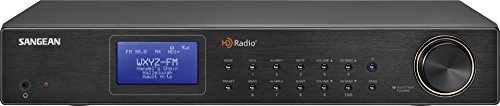
The Sangean HDT-20 is designed as a component tuner suitable for integration with existing stereo systems. It supports HD Digital Radio, FM stereo, and AM input with multiple outputs for analog or digital connectivity. Features include 20 memory presets (10 AM, 10 FM), a direct frequency input keypad, and an infrared remote. A variety of jacks—AC in, analog audio out, optical SPDIF, and digital coaxial—provide flexible integration with amplifiers, receivers, or home theater setups. This model is ideal for users seeking higher fidelity and integration within a branded audio chain for broadcasting or archival playback.
Buying Guide
- Reception and sensitivity: Look for models with robust AM and FM ranges and antennas designed to maximize stability and station clarity. Retractable or extendable antennas help tailor reception to your locale.
- Interface and usability: Large dials, clear displays, and simple controls reduce operator fatigue, especially during long sessions. Bluetooth or aux input adds playback flexibility from other devices.
- Output options and integration: Consider whether you need external speaker compatibility, headphone monitoring, or digital outputs for integration with existing audio systems or recording gear.
- Portability vs. desk setup: Portable radios are useful for field work, while tabletop units with strong speaker output suit studio or classroom environments.
- Sound options and privacy: White noise or ambient sound features can support focus, sleep, or privacy during monitoring. A dedicated headphone jack supports private listening without impacting others.
- Medical or accessibility considerations: Large displays, simple tuning, and volume control ergonomics can be important for seniors or listeners with visual or dexterity challenges.
- Durability and power: Battery-operated devices offer field flexibility; wall-powered units provide uninterrupted operation for longer sessions. Check for low power consumption and ease of battery replacement if applicable.
- Content and feature balance: While some products emphasize historical context or high-fidelity digital outputs, others prioritize simplicity and portability. Match features to your primary use case—live monitoring, archival playback, or educational demonstrations.
In choosing equipment for AM broadcasting-related needs, assess how each product’s strengths align with your environment, whether it’s a home studio, classroom, or field reporting setup. The five items above illustrate a range of options—from portable, user-friendly radios with noise options to high-fidelity tuners designed for integration with existing audio systems. Consider starting with a model that offers reliable AM reception, a straightforward interface, and enough outputs to fit into your current workflow.