For gamers and professionals alike, upgrading to a capable 4K-capable graphics card can unlock crisp visuals and smooth multi-monitor workflows. The following selections focus on 4K output, multiple-display support, and solid performance within mainstream budgets. Each option comes from reputable brands and offers a range of outputs to accommodate HDMI, DisplayPort, and DVI connections. Whether you’re building a compact ITX system or a full desktop rig, these cards provide viable paths to 4K readiness without breaking the bank.
| Product | Brand | GPU / Memory | Key Benefit |
|---|---|---|---|
| MSI GT 1030 4GD4 LP OC | MSI | NVIDIA GeForce GT 1030 • 4GB DDR4 | Low-profile design; solid 4K video output and DirectX 12 support |
| ZER-LON GTX 1660 Super 6GB | ZER-LON | GeForce GTX 1660 Super • 6GB GDDR6 | Higher gaming performance; strong 4K/8K display support |
| Xynsviu GTX 750 4G | Xynsviu | GeForce GTX 750 • 4GB | Low-profile, four HDMI outputs for multi-monitor setups |
| GIGABYTE GV-N1030D4-2GL | GIGABYTE | GeForce GT 1030 • 2GB DDR4 | Compact low-profile card with quad display potential |
| VisionTek HD 7750 2GB | VisionTek | Radeon HD 7750 • 2GB GDDR5 | 4K UHD content support and wide multi-monitor compatibility |
MSI Gaming GeForce GT 1030 4GB DDR4 OC Card
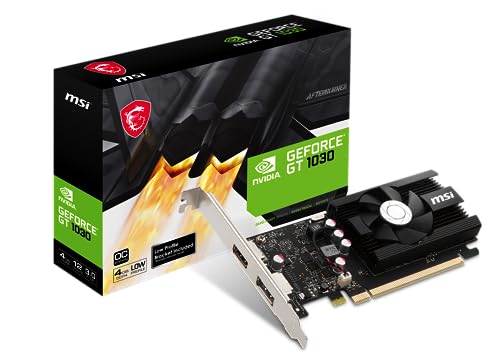
The MSI GT 1030 4GD4 LP OC is a compact option designed for small form factor builds and office-style workstations that still demand 4K-capable output. With 4GB of DDR4 memory and a boost clock around 1430 MHz, this card emphasizes efficiency and low power draw while delivering a stable 4K experience for media playback, light gaming, and multi-display setups. It leverages DirectX 12 support to stay current with modern software while keeping footprint and noise modest thanks to a single-fan cooling approach.
Ideal for users who want a straightforward upgrade without restructuring their case, the MSI GT 1030 works well in ITX builds and HTPC-like systems. It’s not a high-end gaming card, but it provides reliable 4K output and sufficient performance for everyday tasks, streaming, and productivity across two or more displays. Compatibility with common power supplies and motherboards makes it a practical entry point for 4K-ready desktops.
MAXSUN GeForce GT 730 4GB With 4K Multi-Display

The MAXSUN GeForce GT 730 4GB card targets compact builds that need multi-monitor support. It offers 4K-capable output configurations through multiple HDMI ports and a PCI Express interface suitable for ITX chassis. With a relatively modest engine clock and 384 CUDA cores, it’s best suited for light multitasking, video playback at 4K, and basic productivity tasks across several screens. This card can be a cost-conscious option for users who want more display real estate without stepping into higher-end GPUs.
Expect solid multi-monitor performance and broad compatibility, but keep expectations in gaming: titles at 4K will be limited to lower settings. It remains a practical upgrade when you need to drive multiple displays in office, digital signage, or media-centric setups where pixel density and reliability trump raw frame rates.
ZER-LON Radeon RX 550 4GB For 4K Output

The ZER-LON RX 550 4GB card focuses on efficient 4K-capable performance with a low power profile. The 1183MHz base clock helps maintain responsiveness in everyday tasks while supporting 4K output across HDMI/DisplayPort/DVI connections. The design emphasizes a cooler operation and a simple, no-external-power setup suitable for smaller power supplies. The 50W full-load footprint makes it suitable for upgrade paths in compact desktops and small workstations designed to handle multiple 4K displays without stressing the system.
For users seeking an economical route to 4K video playback, multi-monitor dashboards, or light gaming at higher resolutions, this GPU offers a balanced blend of efficiency and capability. Ensure drivers and software are up to date to maximize stability across displays and multimedia tasks.
ZER-LON GeForce GTX 1660 Super 6GB Card

The GTX 1660 Super 6GB from ZER-LON delivers stronger performance for 4K gaming and content creation compared to entry-level options. With 6GB of GDDR6 memory and a 12nm architecture, this card supports high-definition displays and multi-monitor setups with fluid frame rates, provided games and apps are optimized for the hardware. The 3-display output configuration typically includes DisplayPort and HDMI, enabling versatile workstation layouts and immersive gaming experiences at 4K with respectable quality settings.
Cooling is designed to handle sustained loads, and the card is well-suited for users who want more headroom for 4K playback plus mid-to-high refresh gaming across multiple displays. It’s a pragmatic upgrade for those who outgrow entry-level GPUs but aren’t ready for the top-tier models.
GIGABYTE GV-N1030D4-2GL GeForce GT 1030

The GIGABYTE GV-N1030D4-2GL is a low-profile GeForce GT 1030 card designed for compact builds that still need 4K-capable output. It features 2GB of DDR4 memory and a low-profile form factor, making it an excellent choice for slim desktops and home theater PCs. Despite its modest memory, the card is suitable for 4K video playback, light gaming, and multi-monitor streaming setups where space and power constraints exist. The card’s length and dual-slot design help it fit tight cases while maintaining decent display flexibility.
For users prioritizing physical space and quiet operation, this option offers a practical balance of performance and form factor. As with other GT 1030-based cards, expect solid media performance and general productivity at 4K, with more demanding titles requiring lower settings or configurations across multiple monitors.
VisionTek HD 7750 2GB – 4K Ready
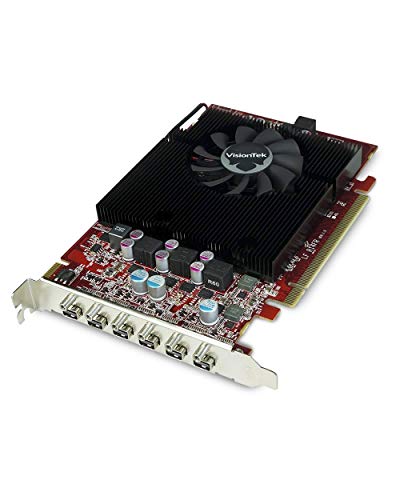
The VisionTek Radeon HD 7750 2GB card targets 4K content delivery and flexible multi-monitor setups. With multiple display outputs and AMD’s Eyefinity-style capabilities, this GPU is positioned for professionals and creators who require expansive screen real estate for dashboards, content creation, and data visualization. While not the newest architecture, it handles 4K video playback and light gaming with multiple displays, offering a cost-conscious path to higher-resolution productivity environments. Driver support and system compatibility should be checked for best results on newer Windows versions.
Buying Guide: Key Purchase Considerations
- Intended use: If primary needs are 4K video playback and productivity across multiple monitors, focus on GPUs with good driver support and sufficient video outputs (HDMI, DisplayPort, DVI). For gaming, target GPUs with more memory and higher core counts (e.g., GTX 1660 Super or GT 1030 with adequate memory).
- Memory and bandwidth: Higher memory (4–6GB GDDR5/DDR6) and wider memory buses improve performance in 4K environments and multi-monitor setups, especially with high-resolution textures or multiple displays.
- Form factor and power: ITX builds or small form factor PCs benefit from low-profile cards. Check card length, dual/three-slot design, and power connector needs to avoid scrubbing case space or PSU limits.
- Display outputs: Confirm available ports align with your monitors. Some cards offer multiple HDMI, DisplayPort, or DVI options to support 4K60 or multi-monitor arrays.
- Driver and software support: Ensure the GPU is still receiving driver updates for Windows 10/11 and that there’s reasonable support for multi-display configurations in professional apps or games.
- Future-proofing vs. budget: For sustained 4K performance, higher-tier GPUs will deliver longer relevance. If budget is a constraint, balance memory, core count, and outputs to fit your workflow.
- Cooling and acoustics: Card cooling impacts long sessions of video playback and gaming. Look for cards with robust cooling in larger cases or those designed for quiet operation in living rooms or offices.
When selecting a 4K-capable video card, align the choice with your primary tasks: media-focused setups benefit from stable 4K output and multi-monitor flexibility, while gaming at 4K requires more GPU power and memory. The options above provide varied entry points—from compact GT 1030-based cards to more capable GTX 1660 Super configurations—so you can tailor your build to your needs without overinvesting.