Choosing between a 28-inch and a 32-inch TV can influence viewing comfort, room fit, and feature availability. This article compares typical 28- vs 32-inch models and highlights five solid 32-inch options to consider, focusing on image quality, smart features, and value. Whether you’re upgrading a bedroom, kitchen, or living space, these picks help clarify what matters most when upgrading from a compact screen.
Summary of chosen products:
- Hisense 32-Inch Class A4 Series HD 720p Smart Roku TV
- VIZIO 32-inch Full HD 1080p Smart TV (VFD32M-08 New)
- Amazon Fire TV 32″ 2-Series (Newest Model)
- Samsung 32-Inch Class QLED Q8F 4K UHD Smart TV (2025 Model)
- Westinghouse 32 Inch TV, HD LED Small Flat Screen
Hisense 32-Inch A4 Series Overview
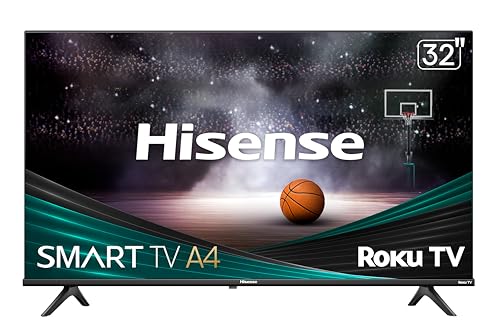
The Hisense 32-Inch A4 Series blends a compact HD screen with smart Roku TV features and voice compatibility. Built-in Roku TV delivers a broad app library and automatic feature updates. Alexa compatibility and Google Assistant support let users control power, channels, and streaming with voice commands. The display uses a 720p HD resolution with a Full Array LED backlight to enhance brightness and clarity for the size, making it a solid choice for bedrooms or secondary living spaces where smart features matter as much as basic viewing.
VIZIO 32-Inch Full HD 1080p Smart TV

The VIZIO 32-inch model delivers Full HD 1080p with an Active Pixel Tuning system that refines color and sharpness. It includes HDR10 support on HDMI for better contrast and a more dynamic picture when paired with compatible consoles or players. Built-in VIZIO OS provides access to apps and streaming services, and the TV supports Auto Low Latency Mode when gaming. This option is well-suited for budget-conscious buyers who still want reliable picture quality and a user-friendly smart platform.
Amazon Fire TV 32″ 2-Series Overview

The Fire TV 32″ 2-Series focuses on streaming speed and simplicity. It runs a Fire TV experience with Alexa voice control, fast app launching, and Wi-Fi 6 support. It offers HD 720p resolution with Dolby Audio for basic entertainment needs and a selection of live content and apps accessible through the Fire TV interface. This option is ideal for fans of Amazon services looking for a straightforward, compact smart TV with easy voice control.
Samsung 32-Inch Class QLED Q8F Overview

The Samsung QLED Q8F delivers 4K UHD with a Quantum Dot color engine and AI-assisted picture processing. It emphasizes color accuracy across a broad spectrum and includes AirSlim design for a sleek look. The TV features Samsung Vision AI and built-in Alexa for voice control, making it a premium option among 32-inch sets. It is best for those who want high resolution and vivid color in a compact screen, suitable for smaller living rooms or bedrooms with strong multimedia needs.
Westinghouse 32-Inch HD LED Overview

The Westinghouse 32-Inch HD LED TV focuses on essential 720p viewing with a straightforward interface and basic connectivity. It supports HDMI and USB inputs for external streaming devices, gaming consoles, or media players. It also enables over-the-air broadcasts via antenna connections. This model is suitable for users who want a simple, no-frills TV in smaller spaces or for secondary rooms where ease of use is a priority.
Buying Guide: Key Purchase Considerations And Comparisons
- Resolution and picture quality: A 720p HD display is common in budget 32-inch sets and is adequate for casual viewing, but 1080p Full HD or 4K UHD provides sharper detail and better overall clarity, especially with modern content. If you watch a lot of streaming in high definition or play games, prioritize models with at least 1080p or 4K when possible.
- Smart platform and apps: Roku, VIZIO OS, Fire TV, and Samsung’s Tizen all offer different app selections and user experiences. Consider which ecosystem you already use (Amazon, Google, Apple, etc.) and whether built-in voice assistants (Alexa, Google Assistant) are important for hands-free control.
- Audio quality: Many compact TVs rely on their built-in speakers. If you value immersive sound, look for models with Dolby Audio or DTS support, or plan to use external speakers or a soundbar.
- HDR support: HDR10 or higher provides better contrast and color in supported content. For a small screen, HDR can still make a noticeable difference, but its impact is more limited on basic HD panels.
- Smart features vs. simplicity: More feature-rich sets (4K, advanced upscaling, AI picture processing) may deliver crisper images, but can come with a steeper learning curve. For a bedroom or guest room, a straightforward TV with a solid streaming app might be preferable.
- Connectivity: Check HDMI ports, USB, and Wi-Fi standards. A TV with at least two HDMI ports and support for Wi-Fi 6 offers better future-proofing for consoles, streaming devices, and sound systems.
- Room fit and viewing distance: A 32-inch screen is most comfortable at 4–6 feet of viewing distance. In tighter spaces, a 28-inch alternative might be appropriate, but you’ll lose some features and resolution advantages as you scale up.
- Reliability and warranty: Given the compact size, hardware failures are less common but can happen. Look for reputable brands with solid customer support and a reasonable warranty period.
When comparing 28-inch versus 32-inch TVs, consider how much room you have, the typical viewing content, and whether you prioritize smart features or performance. A 32-inch model often offers more modern smart platforms and higher resolution options, while a 28-inch model can excel in tight spaces or secondary rooms where basic viewing suffices. The five models highlighted above provide a snapshot of current options across HD, Full HD, and 4K tiers, with varying smart ecosystems to match household preferences.