Finding reliable 2/3 AA NiMH batteries can extend the life of solar lights, garden lamps, and compact gadgets without the bulk of standard AAs. This guide highlights popular options in the 2/3 AA size, focusing on high capacity, recharge cycles, and suitability for outdoor use. Reading product features helps ensure compatibility with your devices and climate conditions. Below is a quick summary table of five featured picks to help you compare at a glance.
| Product | Brand | Capacity | Count |
|---|---|---|---|
| Yibatopow 4 Packs 1.2V 600 mAh NiMH 2/3 AA | Yibatopow | 600 mAh | 4 pcs |
| Yibatopow 10 Packs 1.2V 600 mAh NiMH 2/3 AA | Yibatopow | 600 mAh | 10 pcs |
| Fuspower 2/3AA 650 mAh NiMH | Fuspower | 650 mAh | 8 pcs |
| Teneyuuo 2/3AA 300 mAh NiMH | Teneyuuo | 300 mAh | 4 pcs |
| Zsolarigt 2/3AA 400 mAh NiCd | Zsolarigt | 400 mAh | 10 pcs |
Yibatopow 4 Packs 1.2V 600 mAh 2/3 AA NiMH

The Yibatopow 4-pack includes nonstandard 2/3 AA NiMH cells with a capacity of 600 mAh. These batteries are designed for solar lights and pathway lamps, offering a long-lasting brightness due to their higher energy reserve. They are stated as suitable for outdoor temperatures, and claim a high recharge cycle count (up to 1200 charges). Before purchase, verify device compatibility with the 2/3 AA size and check the length and diameter against your battery slot.
Yibatopow 10 Packs 1.2V 600 mAh 2/3 AA NiMH

This 10-pack option provides extra value for users running multiple solar lights or devices with 2/3 AA slots. With the same 600 mAh capacity, it emphasizes rechargeable performance and environmental benefits by avoiding Hg/Cd/Pb. The product emphasizes a wide operating range and solar charging potential, including operation in cold or snowy conditions. Ensure your device’s battery compartment accepts 2/3 AA length and verify the electrical compatibility with your solar panel setup.
Fuspower 2/3AA 650 mAh NiMH

Fuspower offers 2/3AA NiMH batteries with 650 mAh capacity and a button-top design. Claiming up to 500 recharge cycles, these cells focus on cost savings and long-term use in garden lights or walkway lamps. They share the same diameter as AA batteries but are shorter in height, so device compatibility checking remains essential. They are suitable for solar-powered devices and environments where frequent recharging is common.
Teneyuuo Ni-MH 2/3AA 300 mAh
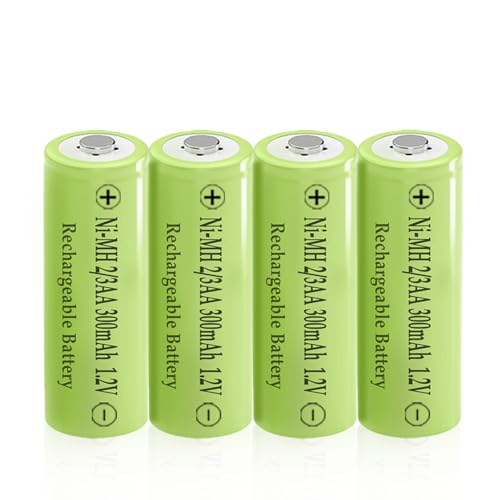
Teneyuuo’s 2/3AA 300 mAh batteries are designed for solar garden lights with a compact form factor. They are marketed as pre-charged to about 30% for transport and storage, reducing initial charging time. These cells are shorter than standard AA batteries and require careful measurement to ensure proper fit. They support reusable charging, making them a practical choice for occasional-use lights or seasonal installations.
Zsolarigt 2/3AA 10 Pcs 400 mAh Ni-Cd

These 2/3AA Ni-Cd cells are offered in packs up to 10, with a stated capacity of 400 mAh. The product emphasizes a leak-free design and a compact 1.18 x 0.55 inch footprint, which is shorter than AA batteries. They are positioned as suitable replacements for various solar outdoor lights. Users should consider temperature tolerance, recharge cycles, and memory-free characteristics when evaluating long-term usage.
JL Missouri Parts 2X 2/3 AA Ni-MH

Another compact option, these 2/3 AA Ni-MH cells are described as shorter than standard AA batteries, suitable for devices with tight battery compartments. They are designed for rechargeable interruption-free power in small electronic setups, including certain solar lights and garden devices. Check device compatibility for height constraints and ensure the 2/3 size meets your power needs.
JINTION 2/3AAA Rechargeable 400 mAh

JINTION provides 2/3AAA rechargeable 400 mAh batteries designed for solar mason jars, lawn lights, and remote-control devices. They are explicitly labeled as 2/3AAA and not standard AAA, offering an extended life through rechargeable cycles. Expect up to 500 recharge cycles, with a practical option for light-duty outdoor installations and portable devices requiring a compact power source.
Buying Guide: Key Purchase Considerations
- Battery size compatibility: 2/3 AA dimensions vary by design. Confirm your device’s exact length and diameter to prevent loose fits or contact issues.
- Capacity and recharge cycles: Higher mAh means longer operation between charges, while a higher cycle count reduces replacement frequency. Balance need for brightness with expected usage patterns.
- Chemistry and safety: NiMH is common for rechargeable applications and is typically safer and more environmentally friendly than NiCd. Look for claimed removal of hazardous materials where possible.
- Temperature range and outdoor suitability: Outdoor devices may face extreme temperatures. Check operating ranges to avoid performance loss in cold or heat.
- Pre-charging and storage: Some batteries ship pre-charged to a percentage and retain charge during storage. Consider initial charging time and storage behavior when planning installation.
- Device compatibility notes: Some 2/3 batteries are explicitly designed for solar lights and low-drain electronics; others may be better for critical devices requiring consistent power.
- Package size and value: Packs with multiple batteries offer cost-per-cell savings but require adequate storage space. Assess whether you need several replacements or a long-term supply.
Comparisons By Use Case
For solar-powered garden lights with frequent dusk-to-dawn cycles, higher capacity (650 mAh or more) and robust recharge endurance help maintain brightness. If you operate many lights, consider larger packs (10 or more) to minimize order frequency. In environments with cold winters, ensure the battery is rated for low temperatures. If a device demands a precise fit, double-check the exact 2/3 AA dimensions against your fixture’s battery slot before purchasing.
Care and Maintenance Tips
- Charge batteries fully before first use and after long storage periods to maximize capacity.
- Avoid exposing batteries to water or extreme physical shocks; store in a cool, dry place.
- Do not mix old and new cells in the same device; replace all cells in a pack at the same time if possible.
- Recycle spent batteries according to local regulations and manufacturer guidelines.