Choosing the right 16-volt power source can optimize starting performance, cranking power, and accessory operation in high-performance vehicles. This guide highlights five top 16V batteries suited for racing and power-hungry setups, with a focus on lithium-based designs for lighter weight and higher efficiency. Each option includes key specs, typical use cases, and practical considerations for installation and maintenance.
Summary of Selected Products:
- XS Power LI-S925-16 — 16-Volt lithium racing battery with compact package and 900 CCA.
- XS Power RSV-S7-1600 — 16V lithium racing battery, 1000 max amps, 20 Ah, lightweight.
- XS Power PWR-S7 2000 Amp — 16V lithium Titanate battery with 1000 cranking amps and 10 Ah.
- XS Power D1600 16V — 16V AGM battery with 675 A, sealed and vibration resistant.
- Ionic Lithium 16V 52Ah — Deep cycle marine-ready lithium battery with Bluetooth and long cycle life.
XS Power LI-S925-16 16V Lithium Racing Battery

Product overview: This 16-volt battery is designed to deliver reliable starting power in racing environments. The package dimensions offer a compact footprint suitable for tight engine bays. With 900 cold cranking amps, it provides solid starting capability under challenging conditions. The lithium chemistry contributes to lighter weight compared with traditional lead-acid packs, aiding overall vehicle performance and handling. Installation considerations should include secure mounting, proper venting (if applicable), and ensuring compatibility with your vehicle’s power management system.
XS Power RSV-S7-1600 16V Lithium Racing Battery

Product overview: This model emphasizes high-current delivery and lightweight design. It operates at 16 volts and can sustain up to 1000 max amps with a 3500-watt support frame. The lithium titanate technology provides strong cranking power while keeping weight around 12 pounds (5.4 kg). With a 20 Ah capacity, its practical energy is substantial, and it translates to about 322 Wh, depending on usage. Ideal for race cars that demand rapid response and minimal weight penalty, this battery also supports high-demand electrical systems during events.
XS Power PWR-S7 2000 Amp 16V Lithium Racing Battery

Product overview: This 16V lithium Titanate Oxide (LTO) battery is designed for durability and high-performance demands. It claims long life — up to five times longer than typical AGM packs — and high energy density in a lightweight form. The battery delivers up to 1000 cranking amps and is suited for harsh operating conditions, including powering accessories like LED lighting or a high-power stereo. The included M6 terminal hardware simplifies installation for performance vehicles requiring robust connections.
XS Power D1600 16V 2,400 Amp AGM Battery
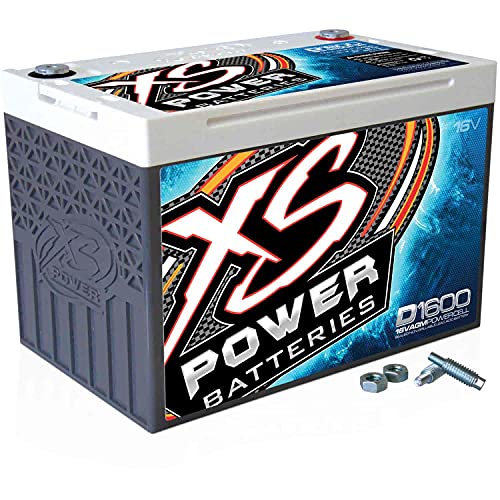
Product overview: While not a lithium solution, the D1600 offers a 16-volt design with a 675-amp rating in a sealed AGM format. It is designed to be spill-proof, valve-regulated, and vibration resistant, making it a strong choice for environments where leakage risk is a concern and maintenance access is limited. It can be installed in a variety of race vehicles, but overall weight and replacement cycle should be weighed against lithium options.
Ionic Lithium 16V 52Ah Deep Cycle Battery

Product overview: This marine-grade, 16V deep cycle battery uses lithium technology with 52 Ah capacity. It is designed for long cycle life, Bluetooth monitoring, and reliable operation in demanding environments. The built-in mounting system and lightweight profile support flexible installation in boats or high-performance vehicles where space is a premium. It emphasizes longevity and predictable voltage delivery for sensitive electronics as part of a broader power system.
TurboStart S16V AGM Series 16-Volt

Product overview: This model represents an AGM-based 16-volt option designed for performance vehicles. It is described as a dry-cell style battery with a focus on reliable starting power in race conditions. Though not lithium-based, its 16-volt design can complement or serve as an alternative in setups where lithium availability or specific compatibility is a factor. The package dimensions reflect a compact footprint suitable for engine bays with limited space.
Buying Guide: Key Considerations For 16V Lithium Racing Batteries
- Voltage stability and peaks: Racing environments demand stable 16V output with quick surge capability. Lithium-based chemistries often deliver higher power density and faster response than traditional lead-acid options.
- Cranking amps vs. capacity: Compare max amps (cranking) and amp-hour (Ah) ratings to ensure your engine starts reliably under cold or extreme conditions. Higher cranking amps are critical for high-performance engines.
- Weight and space: Lithium options typically weigh significantly less than AGM or lead-acid batteries, improving handling and reducing unsprung weight. Measure space to ensure a proper fit with mounting hardware.
- Durability and lifecycle: Look for long cycle life and rugged construction, particularly if the vehicle is used in harsh environments or under vibration-heavy conditions.
- Maintenance and sealing: Sealed and maintenance-free designs reduce risk of leaks and simplify installation. AGM and lithium options vary in maintenance needs and charging requirements.
- Charger compatibility: Ensure your charger and alternator system can safely support 16V lithium chemistry, including any balancing or BMS requirements for lithium packs.
- Installation considerations: Consider mounting orientation, venting (if applicable), and terminal hardware compatibility. Some models ship with M6 or similar hardware for easy installation.
- Cost vs. value: Lithium batteries often carry higher upfront costs but can offer longer life and better performance. Weigh total cost of ownership against expected lifespan and usage patterns.
- Use-case alignment: For race cars, prioritize fast response, high cranking power, and weight savings. For marine or long-cycle applications, focus on depth-of-discharge, durability, and Bluetooth monitoring where available.
- Warranty and support: Check manufacturer warranties and availability of replacement cells or service centers to minimize downtime between events.
Note: Always follow the vehicle manufacturer’s guidelines and local regulations when selecting and installing high-performance batteries. Proper handling and safety procedures are essential for lithium and high-current systems.