Finding a reliable 12V DC to USB converter is essential for powering modern devices from vehicles, solar setups, or DIY power projects. This guide highlights practical options with multiple protection features, dual USB ports, and solid efficiency. Each pick is evaluated for input range, output stability, and safety protections to help American buyers choose confidently for everyday use and hobby builds.
| Product | Brand | Input Range | Output | USB Ports | Protection |
|---|---|---|---|---|---|
| Acridine 2-Pack 12V/24V to 5V USB Converter | Acridine | 10-32V | 5V, up to 3A | 2 x USB | Overcurrent, Overheat, Short Circuit |
| DROK 6-32V to 5V USB Buck Module | DROK | 6-32V | 5V, up to 4.8A total | 2 | Over/under voltage, Overcurrent, Short, Overheat |
| YIPIN HEXHA 12V/24V to 5V 3A Dual USB | YIPIN HEXHA | 10-32V | 5V, total 3A | 2 | Reverse polarity, Overcurrent, Overheat |
| Aideepen 2-Pack 12V/20V to 5V Dual USB | Aideepen | 8-20V | 5V, up to 3A | 2 | Overcurrent, Overvoltage, Overheat |
| Weewooday 1 Piece 12V to 5V USB Buck Module | Weewooday | 12V | 5V, up to 3A | 1 | Overvoltage, Overcurrent, Short |
Acridine 12V/24V to 5V USB Converter (2-Pack)

The Acridine converter handles a wide input range from 10V to 32V, delivering a steady 5V output at up to 3A. It features a compact buck design with automatic protection against reverse polarity, overload, overcurrent, overheat, and short circuits. The dual-pack option makes it ideal for multi-device setups in vehicles or auxiliary power builds where reliability matters.
WYMECT USB Car Socket Converter Cable
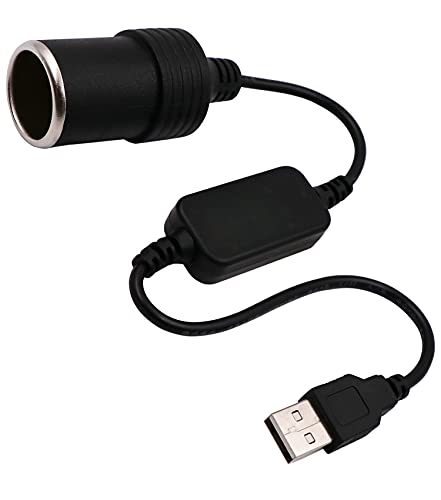
The WYMECT adapter converts USB power to a 12V car cigarette lighter socket, enabling use of 12V devices from a USB source. It is suitable for lower-power accessories and emphasizes portability and easy connection. Note: It supports up to 12V 8W maximum, so high-power tools or devices should be avoided if they exceed this limit.
DROK USB Buck Converter 6-32V to 5V, 24W
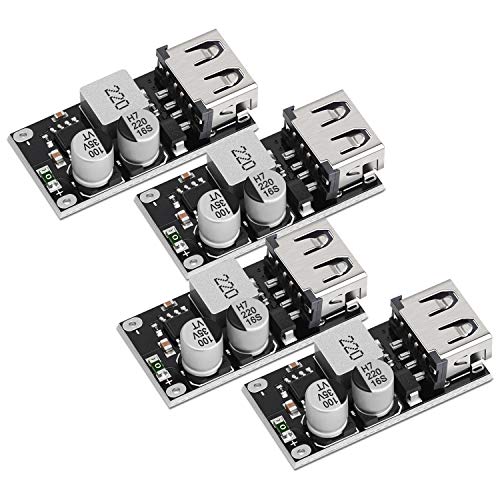
The DROK module accepts 6-32V input and delivers a programmable or default 5V output, with a maximum 24W power rating. It supports quick charging and multiple protective features, including over/under voltage, overcurrent, short circuit, and thermal protection. It is well-suited for solar-to-device charging and DIY power projects requiring reliable regulation.
YIPIN HEXHA 12V/24V to 5V 3A Dual USB

This dual-port converter provides 5V at up to 3A total, with robust protection including reverse polarity, overvoltage, overcurrent, short circuit, and overheating. It includes a dust-cover design to shield the electronics from dust, extending service life in harsh environments and outdoor DIY setups.
Aideepen 2-Pack 12V/20V to 5V USB Converter

These dual USB female sockets handle 12V and up to 3A, with a conversion rate around 96% and protective features including overcurrent, overvoltage, and temperature safeguards. Aideepen emphasizes durability and stable performance in car, golf cart, scooter, and DIY power projects where space and reliability matter.
YIPIN HEXHA 12V/24V to 5V 6A 30W Dual USB

This higher-capacity unit provides a total of 30W across two USB outputs (each up to 3A, 15W). It supports 10-32V input and includes multiple protections (reverse connection, overvoltage, undervoltage, overcurrent, short circuit, overheating) and even IP68 waterproof protection for rugged environments.
Weewooday 12V to 5V USB Buck Module

Weewooday offers a straightforward 12V to 5V conversion with USB output, up to 3A, and an emphasis on intelligent protection like overvoltage, overcurrent, and short circuit safeguards. The unit is designed for easy integration into car electronics, bikes, or simple DIY projects requiring reliable USB power from a 12V source.
Buying Guide: Key Considerations For 12V DC To USB Converters
- Input voltage range: Match your source. Most units tolerate 10-32V, some are fixed to 12V or 12-20V. Plans for vehicles, solar panels, or power banks benefit from a wider range.
- Output current and power: Assess total needs. Dual-port units commonly offer up to 3A per port or 6A total; single-port devices can reach 3A, 15W, or more depending on model.
- Protection features: Look for reverse polarity, overvoltage/undervoltage protection, overcurrent, short circuit, and thermal safeguards. These protect both the converter and connected devices.
- Efficiency and heat: Higher conversion efficiency reduces heat and extends component life. Note heat sinks or compact design expectations.
- Port configuration: Decide between single or dual USB outputs. Dual ports enable charging two devices simultaneously without adapters.
- Durability and environment: For outdoor or rugged use, IP ratings and dust/water resistance can matter. Dust covers and robust housings are pluses.
- Cable length and wiring: Check input cable length and ease of routing. Some modules include USB cables or integrated connectors for cleaner installations.
- Safety certifications: While many third-party modules lack formal certifications, choose products with clear protection specifications and reputable brands.
- Ease of use: Look for plug-and-play designs vs. modules requiring soldering or additional circuitry. For DIY projects, documented wiring diagrams help.
- Price and value: Compare features across models with similar specs. A slightly higher price often reflects better protection and durability.
Users should align product features with their specific needs: powering phones and USB devices from a vehicle’s 12V system, running DIY electronics from a DC source, or distributing power across multiple USB devices in a shed or workshop. The models above provide a spectrum from compact, single-port options to high-output dual-port boards with rugged protections for reliable performance in American settings.