The following article surveys a curated set of graphics cards that align with a broad range of budgets while focusing on performance, compatibility, and value. While the market price of high-end GPUs can vary, these picks cover entry-level to midrange options that suit many gaming and productivity needs. Each product includes key specs and typical use cases to help readers compare capabilities at a glance.
| Product | Brand | Memory | Interface | Key Strength |
|---|---|---|---|---|
| ASUS TUF RX 9070 XT OC | ASUS | 16GB GDDR6 | PCIe 5.0 | High-end gaming potential |
| MSI GT 1030 4GD4 OC | MSI | 4GB DDR4 | PCIe 3.x | Low-power, compact builds |
| GLORTO GT 730 4G | Glorto | 4GB DDR3 | PCIe 2.0 | Basic multi-display support |
| SOYO GT 740 4GB DDR3 | SOYO | 4GB DDR3 | PCIe 3.0 | Balanced performance for office/media |
| SOYO GT 730 4GB DDR3 | SOYO | 4GB DDR3 | PCIe 1.1/2.0 | Compact HTPC/backup GPU |
ASUS TUF Gaming RX 9070 XT OC Edition

Brand: ASUS
Chipset and Architecture: Radeon RX 9070 XT, PCIe 5.0
Memory: 16GB GDDR6
Interfaces: HDMI/DP 2.1, 3.125-slot design
Highlights: Military-grade components, protective PCB coating, and advanced cooling for sustained performance under heavy loads. Suitable for high-fidelity 1080p–4K gaming and content creation workflows where stability matters.
Notes: Includes features geared toward durability and long-term reliability, with emphasis on thermal management and rugged construction.
MSI GT 1030 4GD4 OC
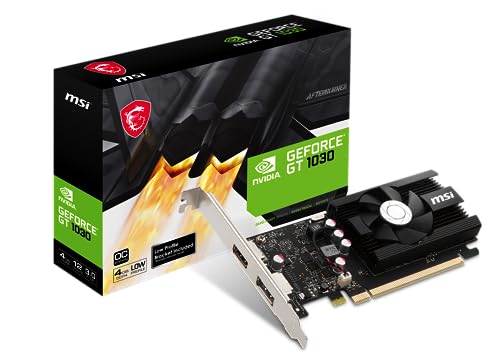
Brand: MSI
Chipset: NVIDIA GeForce GT 1030
Memory: 4GB DDR4
Interface: PCI Express 2.0 (64-bit)
Boost Clock: 1430 MHz
Notes: Compact, low-power option suitable for multimedia tasks, basic gaming, and upgrade paths in small form-factor builds.
GLORTO GT 610 2G DDR3

Brand: Glorto
Chipset: GeForce GT 610
Memory: 2GB DDR3
Interface: PCI Express 1.1 x16
Notes: Entry-level GPU with broad compatibility for older systems or secondary displays, suitable for light tasks and HTPC use.
Glorto GT 730 4G Low Profile

Brand: Glorto
Chipset: GeForce GT 730
Memory: 4GB DDR3
Interface: PCI Express 2.0 x16
Video Outputs: 2x HDMI, VGA
Notes: Low-profile form factor with dual HDMI outputs, suitable for small builds and basic multi-monitor setups.
SOYO GT 740 Low Profile

Brand: SOYO
Memory: 4GB DDR3
Interface: PCI Express x16 3.0
Memory Bus: 128-bit
Video Outputs: HDMI 2.0, VGA, DVI
Notes: Balanced performance for office tasks, light gaming, and multimedia with a single fan design for compact builds.
SOYO GT 730 4GB DDR3 GT Card

Brand: SOYO
Memory: 4GB DDR3
Interface: PCI Express 1.1/2.0
Video Outputs: HDMI, VGA, DVI
Notes: Office-friendly GPU with sufficient memory for multiple displays and standard productivity tasks.
Glorto GT 210 1GB

Brand: Glorto
Chipset: GeForce GT 210
Memory: 1GB DDR3
Interface: PCI Express 1.0 x16
Video Outputs: HDMI, VGA
Notes: Entry-level option for basic display needs, ideal for small form-factor builds or legacy setups.
Buying Guide: Key Purchase Considerations
- Performance Tiers: For gaming at 1080p, focus on GPUs with at least 4GB memory and modern display outputs (HDMI 2.0/DP 1.4+). The higher-end options in this list, like the RX 9070 XT, provide robust gaming headroom, while GT 610/GT 210-class cards cover basic tasks.
- Memory Type and Bandwidth: DDR3 vs DDR4/DDR6 memory and bus width significantly impact bandwidth. In general, higher memory bandwidth improves texture streaming and multitasking capabilities.
- Form Factor and Compatibility: Low-profile and ITX cards fit smaller cases, but ensure your power supply and connectors meet the card’s requirements. PCIe version compatibility can affect potential performance on older motherboards.
- Display Outputs: If you plan to drive multiple monitors, verify available outputs (HDMI, VGA, DVI, DisplayPort) and their maximum resolutions to avoid bottlenecks with newer displays.
- Thermal Design and Noise: Single-fan designs are common in compact cards but may heat up under load. Consider chassis airflow and potential aftermarket cooling if running demanding workloads.
- Use Case Considerations: For office work, media playback, or light gaming, entry-level GPUs like GT 730/GT 610 provide adequate acceleration. For casual to midrange gaming, prioritize cards with more memory and newer architectures.
- Driver and Operating System Support: Some older GPUs have limited driver support on modern OS versions. Confirm compatibility with Windows versions and driver availability before purchasing.
This article presents a practical overview of several graphics cards that align with a broad range of budgets and use cases. Users seeking higher-end gaming performance should look for GPUs with newer architectures, larger memory pools, and PCIe 4.0/5.0 support, while those prioritizing energy efficiency or space-saving builds can opt for low-profile options with modest memory footprints.